




Pakistan has downplayed concerns over the recently announced military cooperation agreement between Afghanistan and Russia, with officials and security experts suggesting that the pact is unlikely to alter the strategic balance in the region.
The agreement, which focuses primarily on the maintenance, repair, and technical support of military equipment, has attracted attention amid evolving geopolitical dynamics in South and Central Asia. However, Pakistani officials maintain that the arrangement is largely administrative and logistical in nature rather than a significant military alliance capable of reshaping regional security.
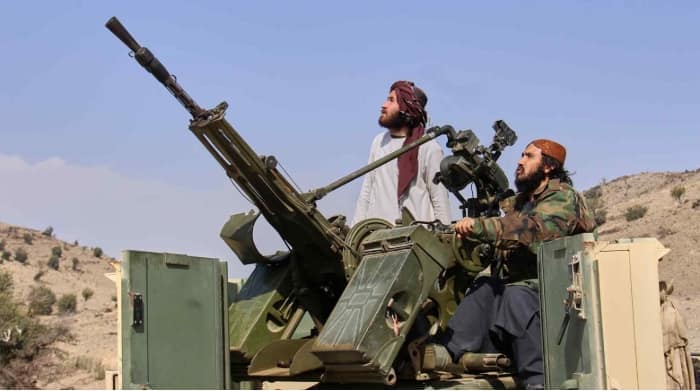
According to analysts familiar with the details of the agreement, the cooperation is centered on servicing aircraft and military hardware inherited from previous Afghan administrations. The deal does not reportedly include advanced air-defense systems, offensive weapons transfers, or the deployment of Russian military personnel in Afghanistan on a large scale.
Security experts argue that the agreement reflects Afghanistan’s practical need to keep existing military assets operational rather than a broader strategic realignment. Since the Taliban’s return to power in 2021, Afghanistan has faced challenges maintaining aircraft, helicopters, and other military equipment due to limited technical capacity and international sanctions.
Pakistani officials believe that the pact is unlikely to pose a direct threat to Pakistan’s security interests. One senior official noted that maintenance agreements are common between nations and do not necessarily indicate the emergence of a new military bloc. The official added that Islamabad continues to monitor regional developments closely while maintaining diplomatic engagement with both Kabul and Moscow.
Regional analysts also point out that Russia’s involvement appears motivated by a desire to preserve influence in Central Asia and prevent instability from spilling across its southern sphere of interest. Moscow has steadily expanded contacts with Afghanistan’s Taliban-led administration in recent years, focusing on security, trade, and counterterrorism cooperation.
Experts further note that Afghanistan’s immediate security priorities remain domestic, including countering extremist groups, managing border security, and stabilizing its economy. As a result, resources are unlikely to be directed toward acquiring sophisticated military capabilities that could alter the regional balance of power.
While some observers view the Afghan-Russian agreement as another sign of shifting alliances in Eurasia, most analysts agree that its practical impact will remain limited in the near term. For Pakistan, the development is being viewed through a pragmatic lens—one that recognizes the distinction between technical military cooperation and a transformative defense partnership.
As regional powers continue to navigate a rapidly changing geopolitical landscape, Islamabad appears confident that the Afghan-Russian pact, in its current form, does not represent a significant strategic challenge.

