





by Lynn Chavez
In today’s fast-paced world, our homes have transformed from mere shelters into sanctuaries reflecting our values, lifestyles, and aspirations. Across the globe, a growing number of people are reimagining their living spaces with sustainability and innovation at the forefront—an evolution that *The Global Tribune* proudly highlights in its Home & Living section.
Eco-friendly home decor
Sustainable living is no longer a niche trend but a mainstream movement influencing interior design choices. Eco-conscious materials like reclaimed wood, bamboo, and recycled metals are replacing traditional furnishings, bringing natural warmth and character into homes. Energy-efficient appliances and smart lighting systems not only reduce environmental footprints but also create cost savings and convenience. Urban dwellers embrace vertical gardens and indoor plants to improve air quality and reconnect with nature, even in compact spaces.
Innovation goes hand in hand with sustainability. Smart homes equipped with voice-activated assistants, automated thermostats, and security systems offer seamless control and enhanced comfort. Multi-functional furniture adapts to changing needs, maximizing space in smaller apartments—a key demand in densely populated cities. The rise of minimalism emphasizes decluttering and mindful consumption, encouraging homeowners to choose quality over quantity.
Beyond aesthetics and technology, these lifestyle shifts reflect a deeper desire for balance, wellness, and purposeful living. Homes become places to recharge, create, and nurture relationships, all while respecting the planet. *The Global Tribune’s* Home & Living coverage invites readers to explore inspiring ideas that blend tradition with modernity, offering practical tips for crafting spaces that are as kind to the Earth as they are to the soul.
(b). Discovering Kyoto: A Journey Through Timeless Traditions and Sustainable Tourism.
Nestled in the heart of Japan’s Kansai region, **Kyoto** stands as a living testament to centuries of culture, spirituality, and natural beauty. Once the imperial capital for over a millennium, this city offers travelers a rare blend of historic grandeur and contemporary mindfulness, making it an ideal destination for those seeking not just sightseeing but immersive cultural experiences rooted in sustainability.
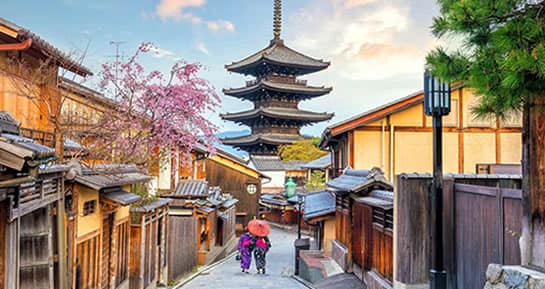
Kyoto’s charm lies in its harmonious balance between preservation and progress. The city’s countless temples, shrines, and traditional wooden machiya townhouses whisper stories from Japan’s golden eras. Visitors wander through the famous Arashiyama Bamboo Grove, stroll along the ancient Philosopher’s Path, or marvel at the iconic **Fushimi Inari Shrine’s thousands of vermilion torii gates. Yet, Kyoto is not frozen in time; it embraces sustainability through community-driven initiatives that protect its cultural heritage while promoting eco-friendly tourism.
Sustainable travel in Kyoto means more than reducing plastic or conserving water. It’s about respecting local customs, supporting small artisans, and engaging in mindful experiences that benefit both residents and the environment. Many ryokans (traditional inns) have adopted green practices—using solar power, sourcing local organic foods, and encouraging guests to partake in waste reduction. Visitors can join tea ceremonies that highlight the Japanese principle of “wabi-sabi,” which finds beauty in imperfection and impermanence, fostering a deeper connection to the moment and place.
Culinary adventures in Kyoto further enrich the journey. The city’s famous kaiseki cuisine, a multi-course meal emphasizing seasonal ingredients and artistic presentation, reflects the essence of sustainable eating. Farmers’ markets and farm-to-table restaurants invite travelers to taste dishes crafted from locally grown vegetables, freshwater fish, and mountain herbs, underscoring a profound respect for nature’s cycles.
Kyoto also champions slow travel, encouraging guests to explore at a leisurely pace—renting bicycles or walking to reduce their carbon footprint, visiting lesser-known neighborhoods, and engaging with community-led workshops in pottery, calligraphy, and kimono dressing. This approach fosters genuine connections and a more profound understanding of Kyoto’s living culture.
Personal stories from travelers often highlight moments of quiet reflection beside a temple garden or shared laughter with a local craftsman. These experiences transform tourism from a checklist of landmarks to an ongoing dialogue between visitor and host, past and present.
In a world increasingly hungry for authentic and responsible travel, Kyoto shines as a beacon. Its commitment to honoring tradition while embracing sustainability offers a blueprint for destinations worldwide. For the modern traveler seeking beauty, meaning, and mindfulness, Kyoto is not just a place to visit—it is a journey to live.

