




By, Jason Campbell
Drivers across Birmingham will soon need to ease off the accelerator as new 30mph speed limits are introduced on 27 major roads by the end of the year. The sweeping changes are part of Birmingham City Council’s ambitious strategy to reduce road accidents, injuries, and fatalities.
In what city officials describe as a citywide “road harm reduction” effort, almost all roads across Birmingham are being reclassified with a 30mph maximum speed limit, including many that previously allowed 40mph. Councillors say the move is critical to protecting lives and improving public safety for pedestrians, cyclists, and drivers alike.
The affected routes include some of Birmingham’s busiest corridors such as the A34 Walsall Road, A38 Kingsbury Road, A45 Small Heath Highway, and the iconic A456 Hagley Road West. New speed and red-light cameras are also being introduced as part of the enforcement drive.
Cllr Majid Mahmood, Cabinet Member for Environment and Transport, said: “Together we must do whatever it takes to make roads safer for everyone. This citywide rollout is a clear message: safety comes first on Birmingham’s streets.”
The council has released the full list of roads affected, which stretches across all corners of the city — from Perry Barr and Small Heath to Sutton Coldfield and Longbridge. In addition to accident prevention, officials hope the lower limits will contribute to cleaner air and quieter streets.
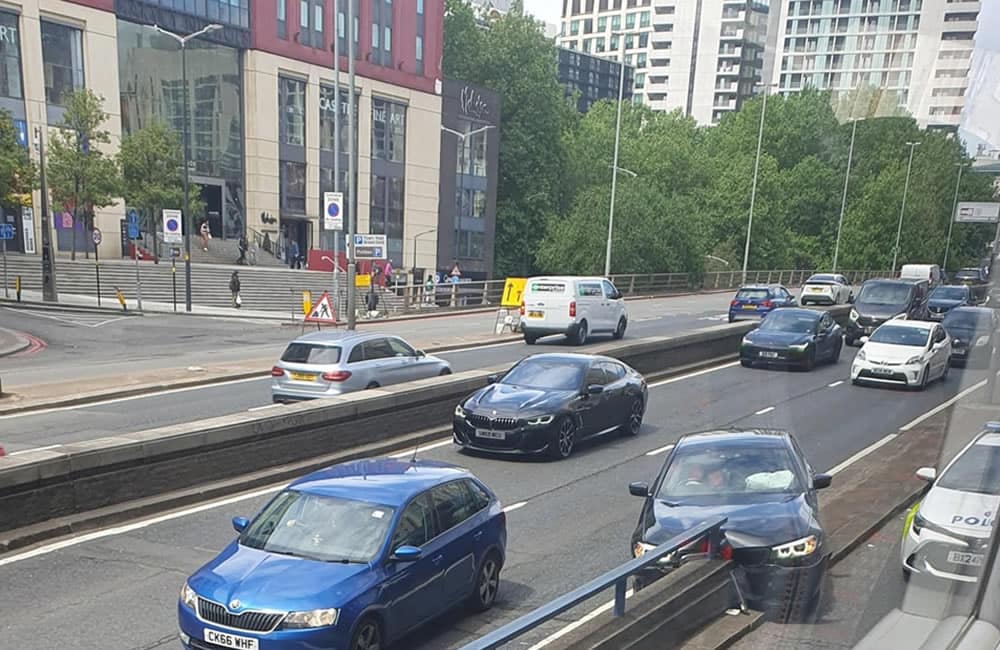
Motorists are being advised to familiarise themselves with the new limits and watch for updated signage to avoid potential fines. The council will roll out an awareness campaign ahead of the changes to ensure residents and visitors understand the new speed rules.
This move aligns with broader trends across the UK, where local authorities are increasingly turning to 20mph and 30mph zones in urban areas to curb dangerous driving and make roads more accessible for non-motorised users.
The Birmingham rollout is expected to be complete before the end of 2025, with enforcement beginning shortly after.

