




A major milestone in Birmingham’s public transport network will be reached this Easter as passenger tram services begin operating on the latest extension of the West Midlands Metro, connecting the city centre to the newly developed Eastside district.
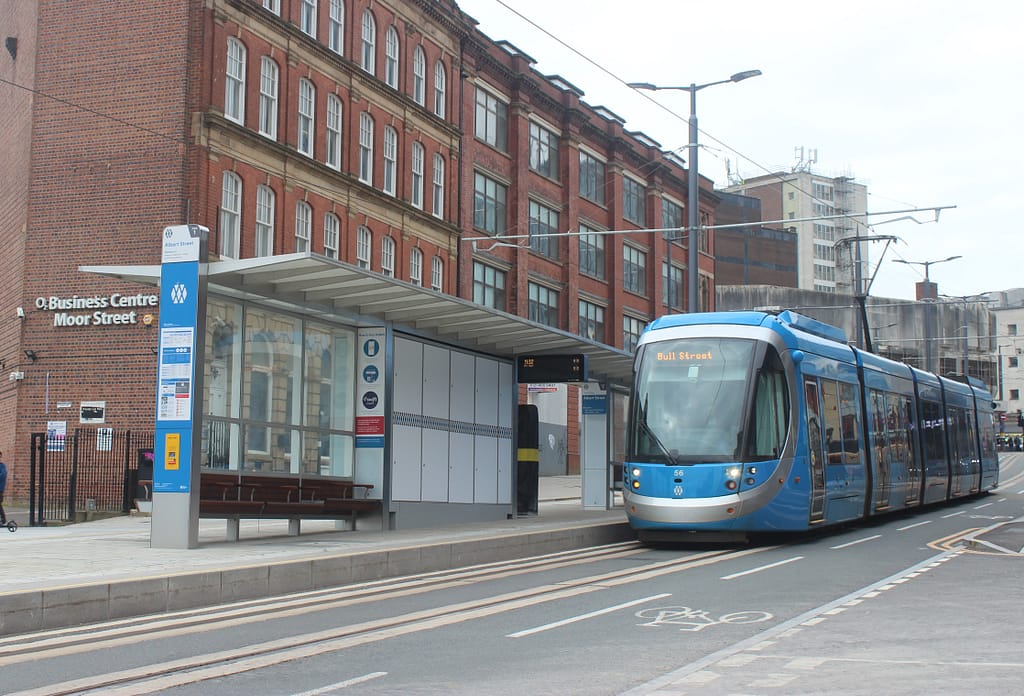
From Easter Sunday, services will run through to the Millennium Point stop, marking the first phase of the Birmingham Eastside Metro extension. The development introduces two new tram stops, designed to improve accessibility to key locations including Moor Street Station, the Clayton Hotel Birmingham, and the campus of Birmingham City University. The extension is also expected to boost visitor numbers to nearby attractions, particularly during the holiday period, with easy tram access to destinations such as the popular Thinktank Birmingham Science Museum.
A key feature of the new route is its integration with existing transport infrastructure. The Albert Street stop will provide a direct tram connection for the approximately 400,000 weekly users of the Moor Street bus interchange, creating a more seamless link between bus, rail, and tram services in this part of the city. This improved connectivity is expected to enhance commuter convenience while encouraging greater use of public transport across Birmingham.
The extension represents the first branch off the main Metro line that runs between Birmingham and Wolverhampton, signalling the beginning of a broader network transformation. Plans are already underway to extend the route further through Eastside, with construction progressing along Meriden Street toward Digbeth Coach Station. Beyond that, proposals include a future link to a planned 60,000-seat stadium associated with Birmingham City FC, as well as longer-term ambitions to expand the line through East Birmingham and North Solihull to Birmingham Airport.
The expansion is part of a wider regional strategy led by Transport for West Midlands, a division of the West Midlands Combined Authority, aimed at improving mobility, supporting economic growth, and connecting communities. Services on the network are operated by West Midlands Metro.
Transport officials describe the extension as a significant step toward a more integrated and accessible transport system. By bringing tram services closer to workplaces, educational institutions, and leisure destinations, the project is expected to support local businesses while making travel more efficient for residents and visitors alike. Initial service frequency on the new section will run at up to every 15 minutes, with some existing routes adjusted to incorporate the additional stops.
City leaders have also welcomed the development, particularly its role in improving access to Birmingham’s Knowledge Quarter, a growing hub for education, innovation, and enterprise. The extension is seen as a catalyst for further regeneration in Eastside, helping to unlock investment and enhance the area’s appeal as a destination for both business and leisure.
Construction of the project was delivered by the Midland Metro Alliance, following years of planning, engineering, and collaboration with stakeholders. Project leaders have emphasised the importance of partnership working in achieving this milestone, while also acknowledging the patience of local residents and businesses during the construction phase.
Looking ahead, the Eastside extension is expected to play a central role in shaping the future of urban mobility in Birmingham. As additional phases are completed and new routes come online, the Metro network is set to become an increasingly vital component of the region’s transport infrastructure—linking communities, driving growth, and redefining how people move through the city.

