



In a bold move signaling growing confidence in Ghana’s economic recovery, the country’s central bank has slashed its key interest rate by a historic 3 percentage points, cutting it from 28% to 25%. This marks the largest single rate reduction in Ghana’s monetary history and comes as inflation continues its downward trend.
The decision was taken by a majority vote of the central bank’s Monetary Policy Committee (MPC) on Wednesday, underscoring a shift in tone as the country shows signs of emerging from one of its most severe economic crises in decades.
“This significant reduction reflects the continued easing of inflationary pressures and increased optimism around Ghana’s macroeconomic stability,” the Bank of Ghana stated in its announcement.
June inflation data revealed that consumer prices had eased to 13.7% year-on-year, down from 18.4% in May — the sixth consecutive month of decline. The downward trend in inflation has been bolstered by improved food supply, reduced fuel and transport costs, and a more stable currency.
Since the start of 2025, the Ghanaian cedi has appreciated by over 40% against the US dollar — a remarkable turnaround credited to stronger external reserves, rising exports, and renewed investor confidence.
“These developments show our economic recovery strategy is working,” a senior official from Ghana’s finance ministry said. “Our currency is stabilizing, inflation is cooling, and markets are beginning to respond positively.”
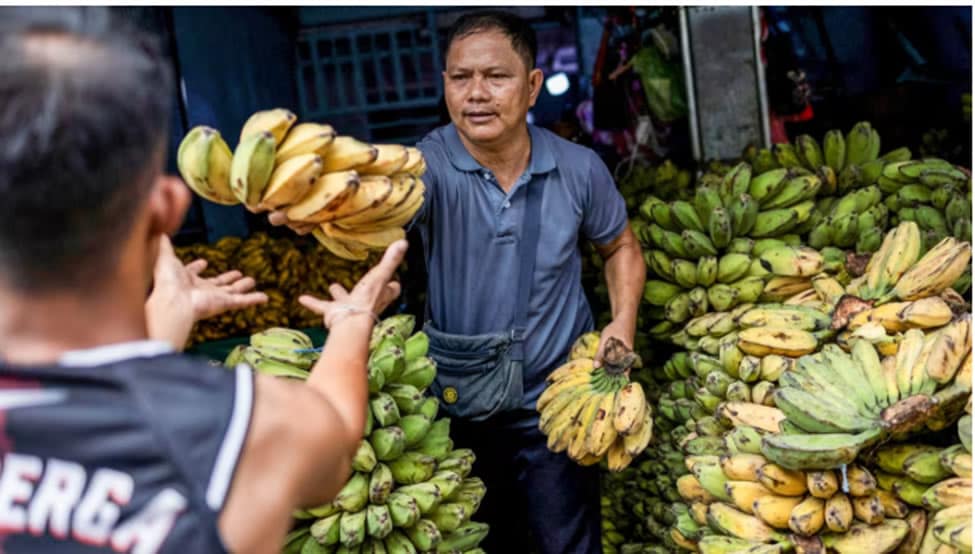
However, beneath the macroeconomic gains, many Ghanaians continue to feel the squeeze. Despite easing inflation, the cost of living remains high, particularly for food and essential services. Food inflation, although slightly down, stood at 16.3% in July, still higher than the overall inflation rate.
Traders at Accra’s bustling Kantamanto Market expressed cautious optimism. “Yes, prices are not rising as fast, but things are still expensive,” said Efua Mensah, a vegetable seller. “Transport is a bit better, but food costs haven’t come down enough for most families.”
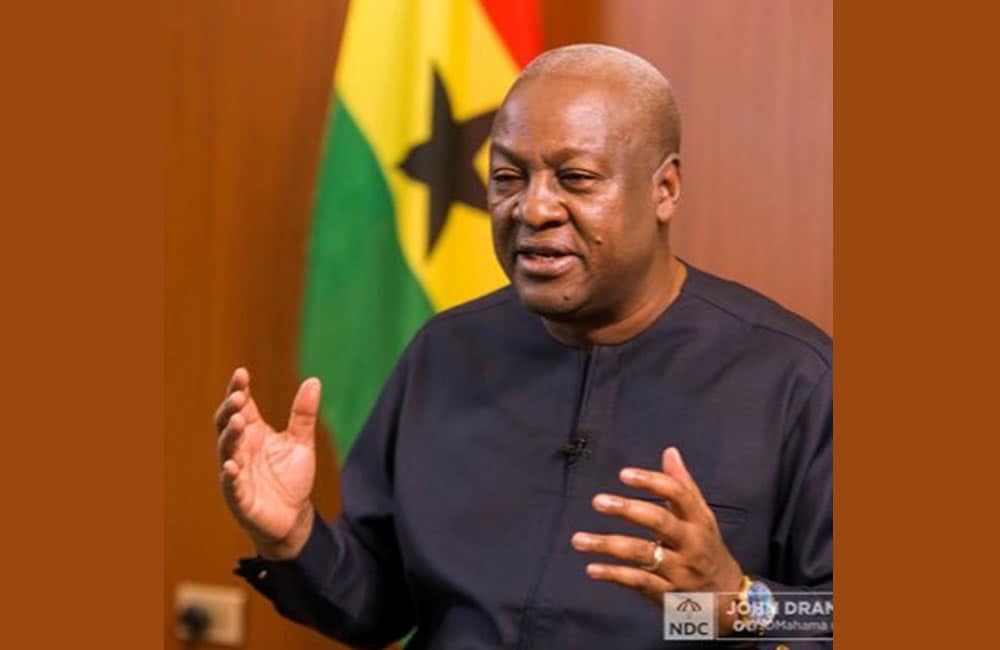
Earlier this month, the International Monetary Fund (IMF) commended Ghana for making progress on the sweeping economic reforms and debt restructuring efforts introduced under President John Mahama, who took office in January.
Ghana, a major producer of cocoa and gold, has been working with international creditors to restructure billions in external debt and restore fiscal discipline, following a 2022-2024 crisis marked by spiraling inflation, a weakened currency, and dwindling foreign reserves.
The IMF’s latest assessment indicates that Ghana is on track to meet key targets under the ongoing reform programme, though it urged continued vigilance.
Analysts suggest that the central bank’s rate cut is a strong signal of confidence, but warn that Ghana’s economic outlook remains delicate. The key will be whether recent gains can translate into sustained relief for ordinary citizens and durable growth across sectors.
“The fundamentals are improving, but the government must ensure the benefits are felt widely,” said Dr. Kojo Adjei, an economist at the University of Ghana. “Interest rate cuts can stimulate business activity — but without job creation and better wages, people will remain under pressure.”
As Ghana moves forward, the balance between fiscal prudence and social impact will be central to its recovery story — one that still has many chapters to unfold.

