



Exactly one year ago, Manchester United unveiled plans for a bold new stadium, envisioned as a 100,000-seat landmark designed by Foster + Partners. Co-owner Sir Jim Ratcliffe, present at the London launch, described the futuristic “canopy” roof as comparable to the Eiffel Tower, signalling United’s ambition to create one of Europe’s most iconic football arenas. At the time, the club targeted a 2030 move-in date, with talk of breaking ground before the end of 2025.
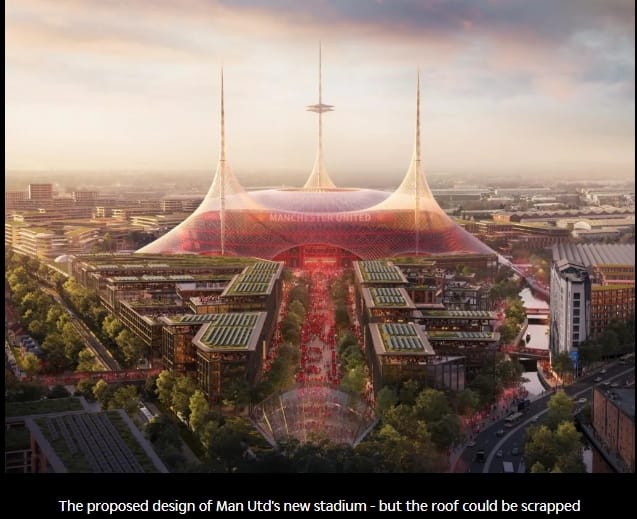
A year on, that timeline looks increasingly optimistic. Updates on the stadium have been sparse, and funding remains elusive for the £2 billion project. While Ratcliffe has personally invested more than £300 million since becoming co-owner two years ago, United still face a £1.3 billion debt, limiting borrowing options. Discussions with potential investors—including trips by Lord Coe, head of the Old Trafford Regeneration Taskforce, to New York—have been ongoing, but a final financial plan has yet to materialize. Sources familiar with the negotiations describe the funding search as “going well,” but major uncertainties remain, particularly regarding the expensive canopy roof, which alone could add £200 million to the total cost.
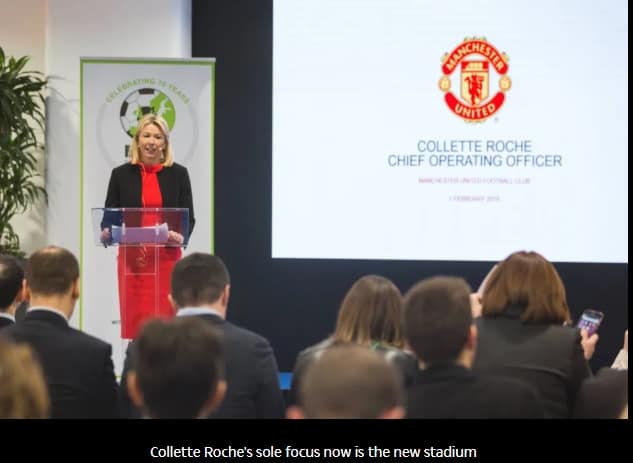
Former COO Collette Roche now leads the stadium development effort as chief executive, tasked with converting vision into reality. While her appointment demonstrates the club’s commitment, insiders remain skeptical. One source remarked: “They’ve chucked her in charge of a stadium that isn’t going to happen.” Potential financing routes include equity sales, shared-ownership models with external investors, or sponsorship deals, though each comes with challenges, from ownership dilution to logistical complexities.
The debate over a new stadium versus redeveloping Old Trafford has been ongoing for years. Before Ratcliffe’s involvement, United commissioned Populous to explore both options. Co-owner Joel Glazer favored renovating Old Trafford, drawing parallels to Fenway Park’s historic charm. Ratcliffe, however, argued that a new-build would be quicker and more cost-effective, a position largely shared by senior executives on the ground. Architectural insiders note that hiring Lord Foster’s firm, renowned for its high fees, adds another layer of financial pressure.
Funding aside, United’s commercial position also raises concerns. The club’s latest accounts show a £6.6 million fall in commercial revenue, and key sponsorships—including training ground partners Marriott, Melitta, and Tezos—have lapsed or expired. Efforts to secure new partners continue, particularly for high-visibility training kit deals. Additionally, the club recently announced a 5% rise in ticket prices, adding roughly £2 per adult season ticket game, and plans to reallocate premium seats for enhanced hospitality experiences.
The stadium’s broader impact also hinges on land acquisition. Freightliner, which operates the Trafford Park rail terminal adjacent to the proposed site, remains in negotiation over selling its land, with stadium footprint changes tied to decisions such as the canopy roof. Political support exists—Prime Minister Sir Keir Starmer and Chancellor Rachel Reeves have expressed backing—but concrete government funding is not forthcoming. Ratcliffe has privately suggested public funds could help, but the club insists taxpayers will not contribute.
Meanwhile, Old Trafford continues operations as United explores these plans. Upgrades to concourses, self-service beer stations, and immersive hospitality experiences, such as pitchside warm-ups, are part of incremental revenue-generation efforts. With no European football this season and only 20 home fixtures, maximizing income from matches and non-matchday experiences is crucial to sustaining investment in the first team and future stadium ambitions.
In short, Manchester United’s “New Trafford” remains a high-stakes vision facing financial, logistical, and commercial hurdles. While Ratcliffe’s investment and political backing signal intent, the £2 billion project’s 2030 target now appears tentative. Whether through innovative funding, phased construction, or scaled-back design features, United must resolve these challenges if the dream of Europe’s largest stadium is to become a reality.

