




The government of the Democratic Republic of the Congo is moving to prohibit the use of foreign currencies in everyday domestic cash transactions, in a significant policy shift aimed at strengthening monetary sovereignty and stabilising the national financial system.
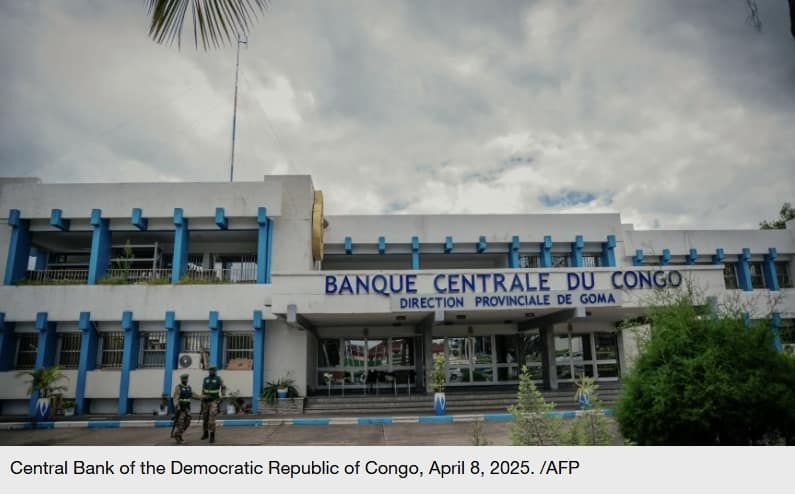
The proposed measure, announced by monetary authorities, is designed to reinforce the role of the Congolese franc as the sole legal tender for local transactions. In practice, this would restrict the routine use of currencies such as the US dollar in shops, markets, service payments, and other day-to-day exchanges within the country. Officials argue that the continued reliance on foreign currency has weakened domestic monetary policy and limited the central bank’s ability to manage inflation effectively.
For years, dollarisation has been deeply embedded in the Congolese economy. The US dollar, in particular, has served as a parallel currency in both formal and informal sectors, often used for pricing, savings, and large transactions. This dual-currency reality has provided short-term stability in a historically volatile economic environment, but it has also reduced confidence in the national currency and constrained financial sovereignty.
Authorities now appear determined to reverse this trend. By enforcing the exclusive use of the Congolese franc in local cash transactions, policymakers hope to restore trust in the domestic currency, improve liquidity management, and enhance the effectiveness of fiscal and monetary policy tools. The move is also intended to increase transparency in pricing and taxation, as well as reduce dependency on external monetary systems.
However, the policy shift is expected to face significant practical and economic challenges. Many businesses and households have become accustomed to pricing goods and services in dollars due to concerns about inflation and exchange rate volatility. Sudden enforcement of a local-currency-only system could lead to pricing distortions, enforcement difficulties, and potential resistance from traders and consumers.
Economists note that successful de-dollarisation typically requires strong institutional credibility, stable macroeconomic conditions, and sustained public confidence in the local currency. Without these foundations, attempts to restrict foreign currency usage can lead to informal market adaptation, where transactions continue outside official channels.
Despite these concerns, the government appears committed to the reform as part of a broader effort to assert economic independence and strengthen national financial systems. The policy is expected to be rolled out alongside other measures aimed at stabilising inflation, improving fiscal discipline, and increasing foreign exchange reserves.
Ultimately, the proposed ban represents a pivotal moment in the Democratic Republic of the Congo’s economic strategy—an ambitious attempt to recalibrate a long-standing dependency on foreign currency and re-establish the central role of the Congolese franc in everyday economic life.

