



Despite mounting fears linked to the ongoing conflict involving Iran, hundreds of thousands of Muslims across Asia are pressing ahead with plans to undertake the annual Hajj pilgrimage, reaffirming the enduring strength of faith in the face of geopolitical uncertainty. This year’s pilgrimage, one of the largest religious gatherings in the world, is expected to draw more than 750,000 participants from across the Asian region alone, despite tensions in the Middle East continuing to cast a shadow over travel and logistics.
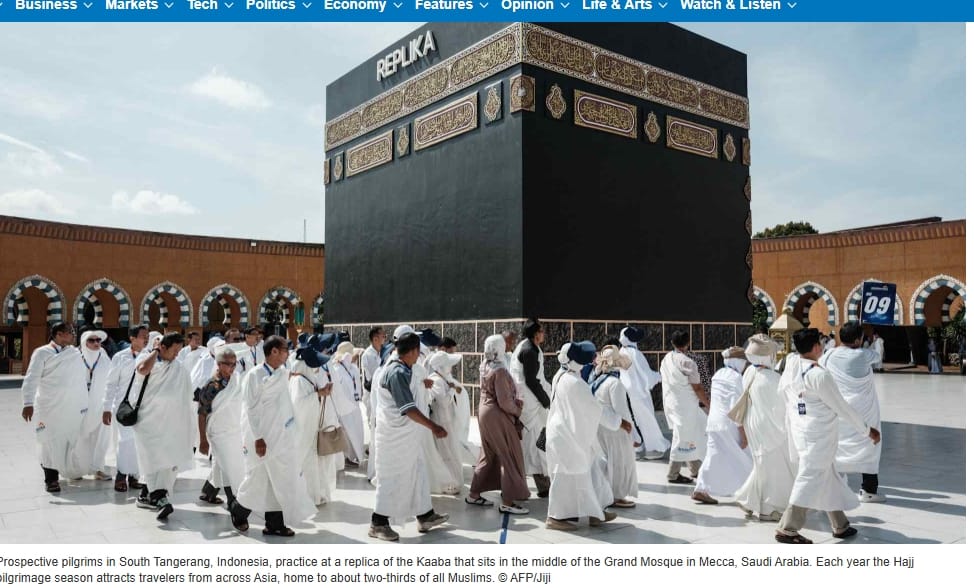
The Hajj, which takes place in the holy city of Mecca, is a central pillar of Islam and a deeply spiritual obligation for Muslims who are physically and financially able to perform it at least once in their lifetime. For many pilgrims, the journey represents years of saving, preparation and anticipation, making it a commitment not easily set aside—even amid rising concerns about safety, travel disruptions and escalating costs.
Across countries such as Indonesia, Malaysia, India and Pakistan, governments and travel agencies have been working intensively to ensure that pilgrims can still make the journey safely. Contingency plans have been put in place to address potential airspace closures, flight disruptions and security risks stemming from the regional conflict. At the same time, airlines and tour operators are grappling with rising fuel prices, which have significantly increased the cost of travel packages for many pilgrims.
The conflict has already had visible impacts. Earlier this year, some pilgrims undertaking the smaller Umrah pilgrimage experienced delays, cancellations and travel chaos as routes were disrupted by military developments in the region. These challenges have raised concerns about similar disruptions during the Hajj season, which typically involves far larger numbers of participants and more complex logistics.
Yet, for many believers, the spiritual significance of the pilgrimage outweighs the risks. Pilgrims describe the journey as a once-in-a-lifetime act of devotion, one that transcends worldly fears and uncertainties. Religious leaders across Asia have also encouraged participants to remain steadfast, while emphasising the importance of following safety guidelines and official travel advice.
Saudi authorities, for their part, are expected to implement enhanced security and coordination measures to manage the influx of pilgrims and ensure their safety. The kingdom has long invested in infrastructure and crowd management systems designed to accommodate millions of worshippers each year, even under challenging circumstances.
Ultimately, this year’s Hajj underscores a powerful reality: while conflict and uncertainty may shape the world, they do not easily diminish the depth of faith that draws millions together in a shared act of worship.

