



Rising inflation across Southeast Asia is beginning to reveal the deeper economic fallout from the ongoing Iran war, with March data showing that countries like Vietnam and the Philippines are among the hardest hit. At the heart of the surge is a sharp increase in global fuel prices, which has rapidly filtered through transport, production, and consumer goods—raising concerns that a broader and more persistent wave of inflation is still ahead.
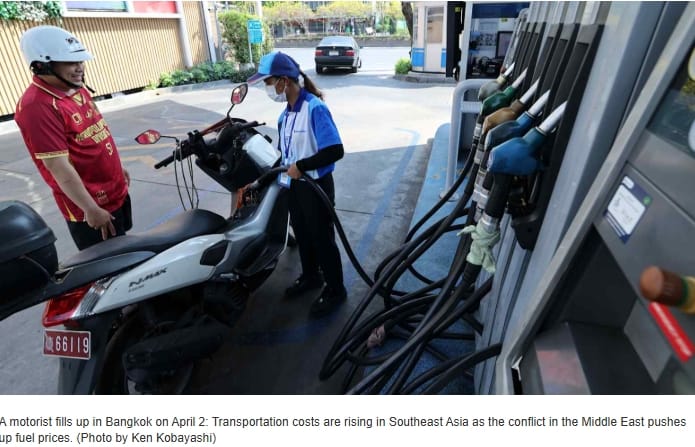
The Philippines offers one of the clearest examples of how quickly the shock is spreading. Inflation jumped to 4.1% in March, its highest level in nearly two years, driven largely by a steep rise in transport costs linked to soaring diesel and petrol prices. Diesel prices alone surged dramatically, pushing transport inflation close to 10% and placing immediate pressure on households and small businesses that rely heavily on fuel. The country’s dependence on imported energy has made it especially vulnerable, with disruptions in the Strait of Hormuz sending oil costs sharply higher.
Across ASEAN, the pattern is similar. The region imports a significant share of its energy needs, meaning any geopolitical disruption quickly feeds into domestic inflation. Economists note that Asia purchases around 80% of the oil transported through the Hormuz corridor, making it particularly exposed to supply shocks. As oil prices climb, manufacturers and logistics operators are forced to pass on higher costs, leading to rising prices for everyday goods.
Vietnam, while not as heavily documented in the latest data releases, is facing parallel pressures. Higher fuel import costs are feeding into production and transportation expenses, weakening manufacturing output and slowing demand. Regional factory activity has already begun to soften, with ASEAN’s manufacturing index slipping as firms grapple with rising input costs and supply chain disruptions linked to the conflict.
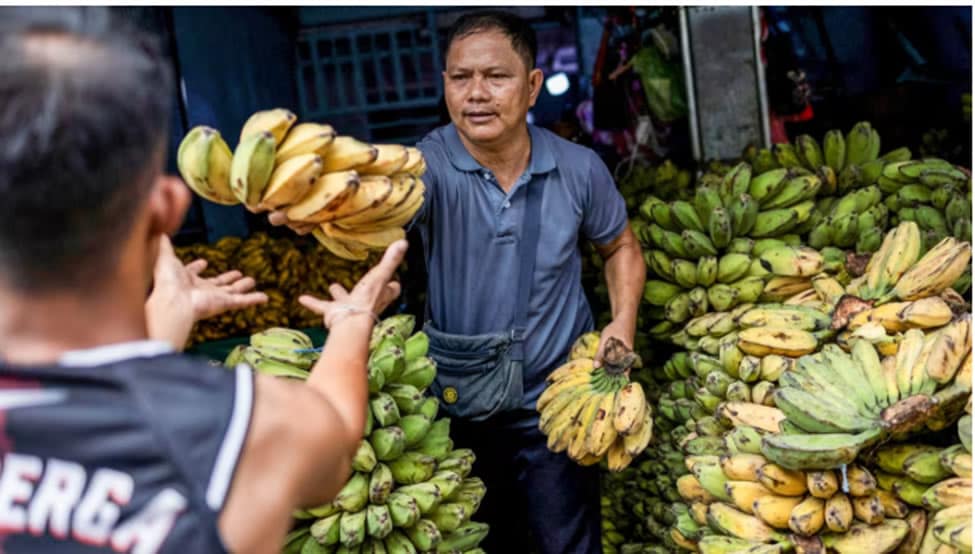
What worries analysts most is that the current spike may only represent the first phase of inflation. So far, the impact has been concentrated in energy and transport, but economists warn of a “second wave” driven by food prices. Fertiliser costs—closely tied to energy markets—are rising, while higher transport expenses are increasing the cost of moving agricultural goods. In countries where food makes up a large share of household spending, this could significantly amplify inflationary pressure in the coming months.
Central banks are already reacting. In the Philippines, policymakers have moved to tighten monetary policy, signalling concern that inflation could breach target ranges for an extended period. Similar caution is emerging across the region, as governments weigh the trade-off between controlling inflation and sustaining economic growth.
The broader implication is that ASEAN economies are entering a period of heightened vulnerability. The Iran conflict has not only triggered an energy shock but also exposed structural weaknesses in energy dependence and supply chain resilience. If fuel prices remain elevated, inflation could become more entrenched, eroding purchasing power and slowing recovery across the region.
For now, March’s data serves as an early warning. The initial surge in fuel costs has already hit transport and industry. The next phase—spreading into food and core consumer prices—may prove even more challenging for policymakers and households alike.

