



Africa’s political landscape is entering a defining period, marked by intensifying security crises, tightening governance in some states, and shifting regional dynamics that are reshaping the continent’s future. From the Sahel to North Africa and the Horn, a series of unfolding developments highlight both the fragility and resilience of political systems across the continent.
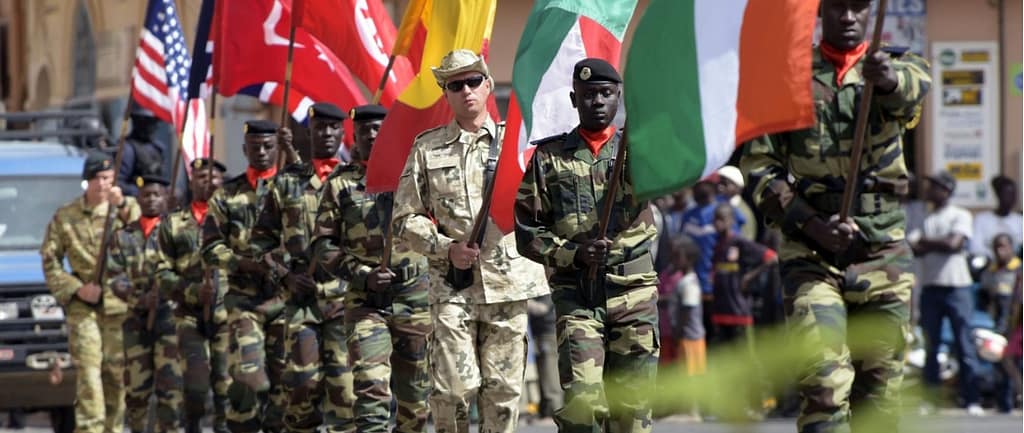
In the Sahel, Mali remains at the epicentre of instability. The military-led government under Assimi Goïta is facing mounting pressure as insurgent groups expand their reach, carrying out coordinated attacks that have exposed the limits of state control. Despite continued support from Russia, security conditions have deteriorated, raising concerns that the crisis could spill across borders and destabilise the wider Sahel region.
Further east, the ongoing conflict in Sudan continues to command international attention. Fighting between rival factions has deepened humanitarian challenges and strained regional stability. Diplomatic efforts led by the African Union have yet to yield a sustainable ceasefire, with observers warning that prolonged instability could have far-reaching consequences for neighbouring states.
In North Africa, Tunisia is experiencing a different kind of political shift. President Kais Saied has continued to consolidate power, drawing criticism from civil society groups and international observers. Once regarded as a symbol of democratic progress, Tunisia now faces growing scrutiny over restrictions on political freedoms and the space for dissent.
Meanwhile, in South Africa, domestic tensions are intersecting with regional diplomacy. Reports of xenophobic attacks against foreign nationals have triggered concern both internally and across the continent. The government has pledged stronger enforcement measures, but the issue underscores deeper socio-economic pressures and the political sensitivity surrounding migration and employment.
Along the eastern coastline, Somalia is confronting a resurgence of maritime insecurity. A recent spike in piracy incidents has reignited fears over the safety of key global shipping routes. The development reflects broader governance challenges and reduced international naval presence, raising questions about the sustainability of past gains in maritime security.
Taken together, these developments point to a continent navigating complex and often competing pressures. Security concerns remain paramount in several regions, while governance debates continue to evolve in others. At the same time, demographic shifts—particularly the growing youth population—are adding urgency to demands for accountability, economic opportunity, and political reform.
Geopolitical competition is also playing an increasingly visible role. External actors are deepening their engagement across Africa, influencing security arrangements, economic partnerships, and diplomatic alignments. This evolving landscape is redefining how African states position themselves on the global stage.
Yet, amid the challenges, there are signs of resilience. Regional institutions continue to push for dialogue and coordination, while civil society voices remain active in advocating for transparency and reform. Africa’s trajectory, therefore, is not defined solely by crisis, but by a dynamic interplay of risk and opportunity.
As the continent moves forward, the choices made by governments, institutions, and citizens will be critical. Whether Africa’s current crossroads leads to deeper instability or renewed transformation will depend on how effectively these challenges are addressed—and how inclusively the future is shaped.

