




The rapid expansion of artificial intelligence is creating unexpected pressure across the global technology supply chain, particularly in the market for computer memory. Major PC manufacturers, including HP Inc. and Dell Technologies, are facing rising costs as suppliers divert a growing share of memory production toward AI infrastructure. As a result, industry analysts warn that personal computer prices could soon rise.
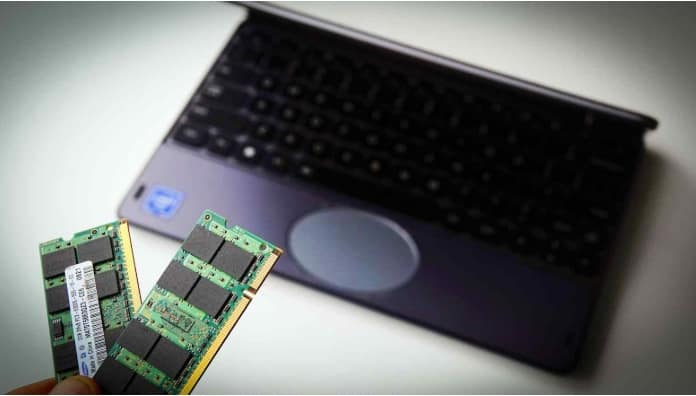
At the center of the challenge is DRAM, a critical component used in everything from laptops and desktops to servers and AI systems. In recent months, memory manufacturers have shifted production priorities to meet surging demand from companies building large-scale artificial intelligence platforms and data centers. These AI systems require enormous computing power and significantly larger memory capacity than traditional PCs.
Industry estimates suggest that more than half of global DRAM supply is now being consumed by AI-related applications, particularly servers used to train and run advanced machine-learning models. This shift has created a tightening supply environment for traditional PC manufacturers, who rely heavily on the same components for their products.
Memory suppliers are increasingly prioritizing higher-margin AI chips, such as high-bandwidth memory (HBM), which are essential for advanced graphics processors used in AI workloads. Companies producing these specialized chips can command premium prices, making them more attractive than conventional memory used in consumer electronics.
For PC makers like HP and Dell, this shift presents a difficult dilemma. While the personal computer market has been slowly recovering from the downturn that followed the pandemic-driven boom in device purchases, rising component costs threaten to derail that recovery. Manufacturers may have little choice but to pass these costs on to consumers.
One technology industry executive explained the situation bluntly: “The memory supply chain is being reshaped by artificial intelligence. When AI demand grows this quickly, every other segment of the market feels the squeeze.”
The consequences are already visible in supply contracts. PC manufacturers are reportedly facing higher prices for DRAM modules and longer delivery times. Suppliers, anticipating sustained AI growth, are showing limited enthusiasm for expanding production capacity specifically for the traditional PC market.
Market analysts are increasingly pessimistic about the near-term outlook for personal computer shipments. While demand for AI infrastructure continues to soar, the broader PC sector remains vulnerable to economic uncertainty, inflation, and cautious consumer spending. The result is a supply chain imbalance where demand from high-growth sectors absorbs resources that might otherwise support consumer electronics.
The shift also reflects a broader transformation within the semiconductor industry. For decades, consumer devices such as smartphones and laptops drove chip innovation and manufacturing expansion. Today, however, artificial intelligence and cloud computing are emerging as the dominant forces shaping technology investment.
For companies like HP and Dell, adapting to this new reality will require careful pricing strategies and supply chain adjustments. Some manufacturers may attempt to redesign products to use memory more efficiently or diversify their supplier networks. Others may focus on higher-end PCs where price increases are less likely to deter buyers.
In the meantime, consumers may soon notice the effects of the AI boom in an unexpected place: the price tag on their next laptop or desktop computer. As artificial intelligence continues to transform the technology landscape, even the most familiar devices are being pulled into its rapidly expanding orbit.

