




In a bold move to cement the West Midlands as the UK’s top hub for artificial intelligence (AI) skills, Mayor Richard Parker has unveiled a £10 million initiative to provide every adult in the region with free AI training. The sweeping plan aims to ensure residents are not left behind in the rapidly evolving digital economy, and forms a core pillar of the Mayor’s new Growth Plan.
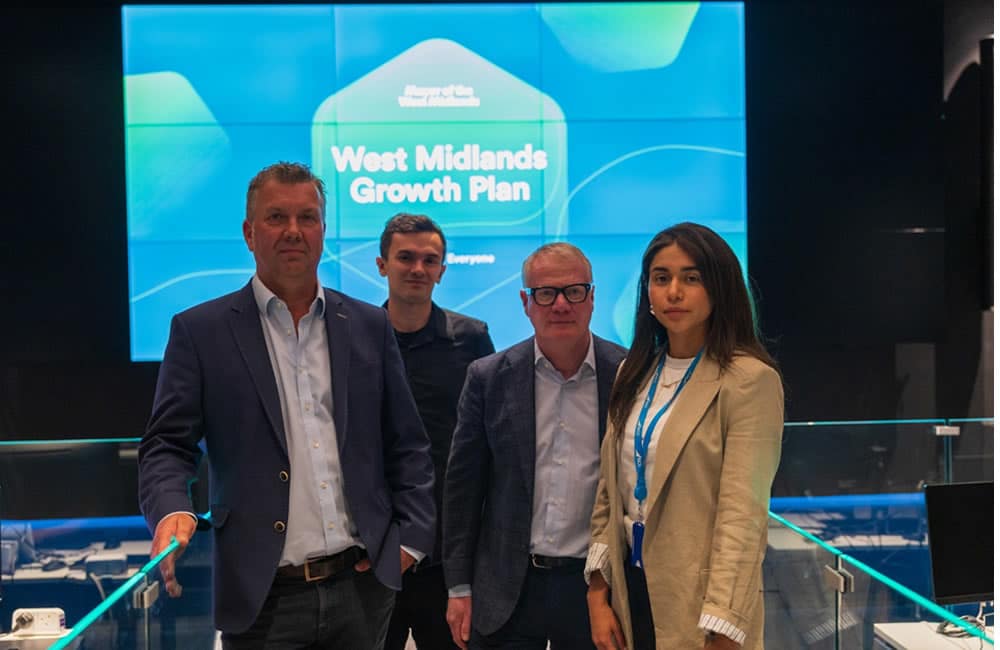
Announced during a visit to SCC – Europe’s largest independent IT service provider – in Tyseley, Birmingham, the Mayor outlined the region’s ambition to lead the UK in both everyday AI literacy and technical upskilling. The proposal includes the launch of a pioneering AI Academy in partnership with tech companies, colleges, universities, and community groups.
The West Midlands is already home to over 140 AI-related companies, employing nearly 70,000 people and generating £5.5 billion annually. But with AI transforming everything from manufacturing to medicine, the Mayor warned that failure to equip citizens with the right skills could deepen inequality.
“As jobs become increasingly digital and data-driven, AI will become a core skill just like English or maths,” said Mayor Parker. “Avoiding an AI skills divide isn’t just a matter of fairness – it’s crucial to our Growth Plan. That’s why I want to make the West Midlands the number one place in the UK for AI training.”
The plan targets not only residents seeking work in digital and tech sectors, but also those looking to integrate AI into their daily lives. The programme will run over three years, and is designed to boost economic productivity and social inclusion by ensuring all communities can access the tools of the future.
At the heart of the initiative is a belief that AI literacy should be universal. The AI Academy will provide clear pathways into digital, data, and AI careers, with targeted training for marginalised groups and current workers needing to upskill.
Dan Cartter, director of innovation at SCC, endorsed the move. “Around 65% of young people in education today will work in job roles that don’t even exist yet,” he said. “Many of these will involve technologies like AI. If we don’t prepare people now, we’re going to see a skills crisis shortly.”
The Growth Plan also sets out to create 100,000 good jobs across high-growth industries like fintech, healthtech, advanced manufacturing, and clean energy. The AI component is one of several interconnected investments totalling £30 million to drive skills, tackle inequality, and raise living standards.
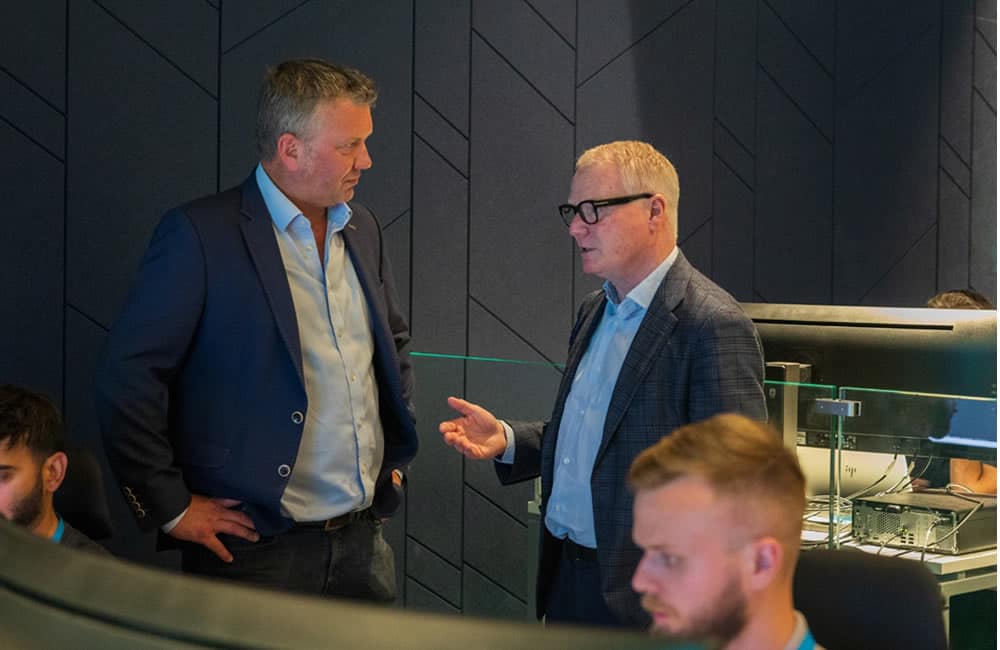
One of the faces of the AI revolution in the region is Rose Palacios, an AI consultant at SCC. Originally from Peru, Rose moved to Birmingham for a master’s degree at Aston University and is now helping businesses harness AI to boost productivity.
“There are so many misconceptions about AI,” she said. “But it’s really just a tool. I recently worked with a firm that used to take 12 days to produce customer quotes – we got it down to six seconds with AI. That kind of efficiency is game-changing.”
She added: “I also use AI in everyday life – from organising tasks to saving time. It’s all about making it your friend.”
The West Midlands already boasts world-class institutions applying AI in cutting-edge ways, from robotics at the University of Birmingham to cybersecurity and fintech at Coventry and Aston universities. The University of Wolverhampton is developing sustainable computing practices to reduce AI’s energy consumption.
The World Economic Forum estimates that more than half of all workers will need to be reskilled by 2030 due to AI adoption. The Mayor’s AI training push responds to that urgency.
“If we don’t act now,” Mayor Parker warned, “we risk creating a digital divide that could be just as damaging as any economic recession. This is about opportunity for everyone.”
The initiative is part of the WMCA’s broader vision for a green, inclusive, and digitally confident economy, ensuring that no one is left behind as the region embraces a future driven by innovation.

