



Bangladesh is moving swiftly to secure energy supplies as global markets reel from disruptions linked to the ongoing Middle East conflict. The South Asian nation recently procured three spot liquefied natural gas (LNG) cargoes at sharply higher prices, reflecting the strain on international energy trade and highlighting the country’s heavy dependence on imported fuel.
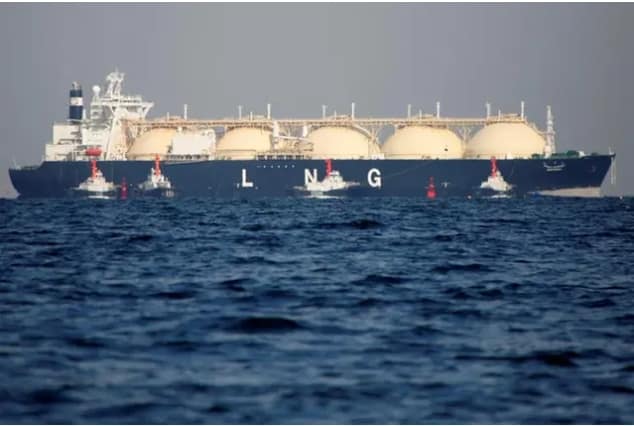
State-owned Petrobangla, which manages Bangladesh’s energy imports, turned to the more volatile spot market after disruptions affected long-term contracts, notably with QatarEnergy. The purchased LNG cargoes came at prices ranging from $20.76 to $28.28 per million British thermal units (mmBtu), more than double the $10/mmBtu average recorded earlier in January. The spike underscores how geopolitical tensions abroad can directly impact domestic energy costs.
To manage the immediate supply shortfall, Bangladeshi authorities have implemented a series of emergency measures. Fuel rationing has been introduced in key regions, diesel sales have been limited, and several fertilizer plants have been temporarily shut down to prioritise electricity generation. These interventions aim to ensure power remains available for essential services and residential consumers while mitigating the economic impact of rising fuel costs.
A delivery of 5,000 metric tons of LNG from India has already arrived, and negotiations are ongoing to secure additional shipments from Indian suppliers. Energy officials emphasise the urgency of the situation, noting that Bangladesh relies on imported energy for around 95% of its total demand.
“Energy security is critical for our economy and livelihoods,” said Abul Kalam Siddique, a senior official at Petrobangla. “We are working closely with our partners to ensure that Bangladesh has the fuel needed to keep electricity and industries running, even amid global disruptions.”
Experts warn that the current spike in LNG prices could have broader economic consequences, including higher costs for industrial production, increased electricity tariffs, and upward pressure on inflation. Bangladesh’s reliance on imported energy makes the country particularly vulnerable to fluctuations in international markets, and the current situation serves as a stark reminder of the interconnectedness of global energy supply chains.
Government officials are also exploring medium-term strategies to reduce vulnerability, including diversifying import sources, increasing storage capacity, and investing in domestic energy infrastructure. Analysts note that while spot purchases provide immediate relief, long-term solutions are critical for stabilising the country’s energy sector against future crises.
As Bangladesh navigates this challenging period, authorities and industry stakeholders are emphasising coordination, planning, and swift action to prevent widespread energy shortages while maintaining economic stability and public confidence.

