




China has launched a controversial and ambitious hydroelectric project in the Tibet Autonomous Region, aiming to generate power for its energy-hungry eastern seaboard. The megadam, located on the Yarlung Tsangpo River (known downstream as the Brahmaputra), will become one of the world’s largest once completed — and has sparked geopolitical, environmental, and humanitarian concerns.
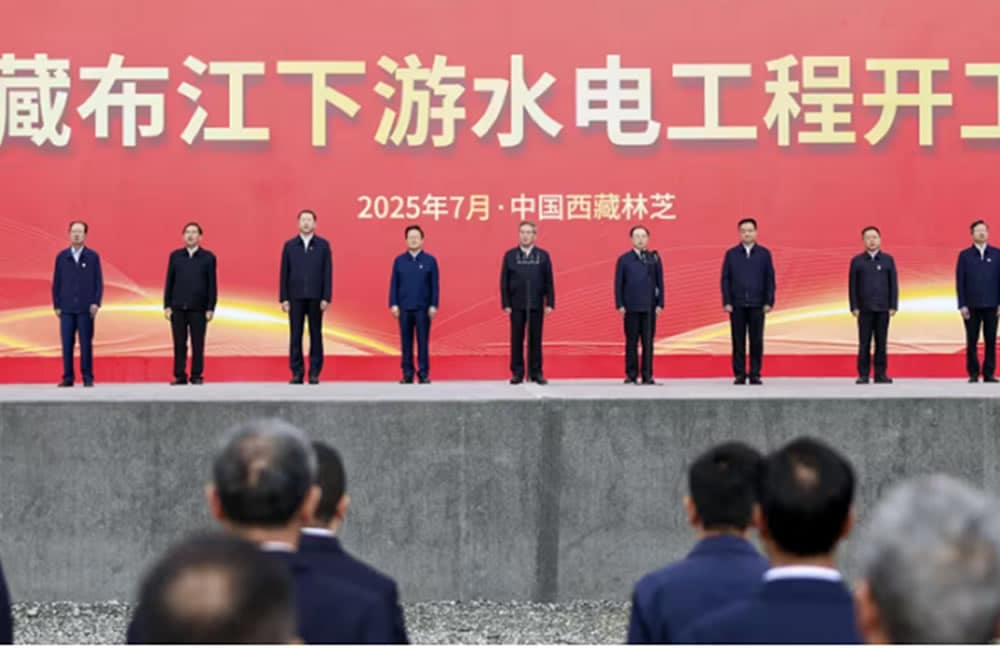
The project, approved by Beijing’s National Development and Reform Commission, is expected to generate over 70 billion kilowatt-hours of electricity annually, feeding into grids that power cities like Shanghai, Guangzhou, and Shenzhen. Chinese authorities claim the dam is critical to achieving the country’s carbon neutrality goals by 2060 and reducing reliance on coal.
“This is a strategic clean energy initiative that aligns with China’s long-term development and environmental commitments,” said Wang Xiaojun, an energy policy analyst at Tsinghua University. “It will also support high-density coastal regions that are driving our economic growth.”
However, the move has drawn international attention and concern, especially from downstream nations like India and Bangladesh, which fear reduced water flow and ecological disruption. The Brahmaputra is a lifeline for millions living in northeast India and Bangladesh.
“The unilateral construction of such a massive project on a transboundary river without consultation poses a serious threat to regional stability and ecological balance,” said Dr. Anuradha Basu, a water security expert based in New Delhi. “Downstream nations should have been part of this dialogue.”
Environmental groups have also raised alarms over the impact on fragile Tibetan ecosystems and local communities, including displacement risks and cultural heritage loss.
“This dam may bring electricity to China’s cities, but it will cost the people of Tibet and the environment dearly,” said Tenzin Dorjee, a spokesperson for the International Tibet Network.
Construction is set to be completed in phases over the next decade. Beijing has so far dismissed international criticism, calling the project “a domestic matter.”

