




The United Kingdom’s upcoming local and devolved elections are shaping into a defining political moment for Keir Starmer, with mounting pressure on the Labour government to retain public confidence amid growing dissatisfaction over economic conditions and strained public services.
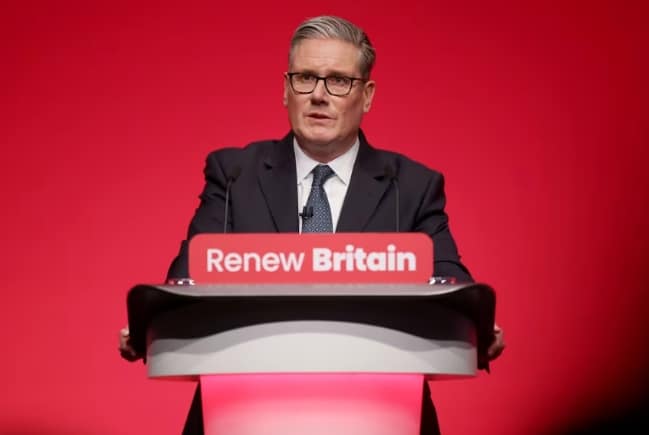
What would ordinarily be routine mid-cycle elections have taken on the weight of a national referendum. Across England, Scotland, and Wales, voters are expected to deliver a verdict not only on local governance but on Labour’s broader performance since taking power. Early polling signals a challenging outlook for the party, with projections suggesting the potential loss of hundreds—if not thousands—of council seats.
At the heart of voter frustration lies the economy. Despite efforts by the government to stabilise inflation and restore growth, many households continue to grapple with the lingering effects of high living costs, stagnant wages, and pressure on essential services. Public sentiment has been further strained by concerns over the state of the NHS, housing shortages, and local government funding, all of which are central issues in these elections.
Opposition parties are poised to capitalise on this discontent. Reform UK has emerged as a particularly potent challenger, attracting voters disillusioned with both Labour and the Conservatives. Its populist messaging and focus on economic grievances have resonated in key regions, positioning it as a disruptive force in the political landscape.
Meanwhile, the Green Party of England and Wales is also expected to make gains, particularly in urban areas and among younger voters, by emphasising environmental priorities and local accountability. The combined pressure from smaller parties underscores a broader trend toward political fragmentation, challenging the dominance of traditional power blocs.
For Starmer, the stakes extend beyond seat counts. A poor showing could embolden critics within and outside his party, raising questions about Labour’s strategic direction and its ability to maintain a durable electoral coalition. Conversely, even modest losses could be spun as resilience in a difficult climate, depending on expectations management.
Ultimately, these elections represent more than a test of local governance—they are a barometer of national mood. As ballots are cast, the results will offer a clearer picture of whether Labour’s promise of stability and renewal continues to resonate, or whether the electorate is beginning to look elsewhere for answers in an increasingly uncertain political era.

