




Malaysia has announced an increase in the palm oil content of its biodiesel programme, moving to a B15 blend as part of a broader effort to cushion consumers from rising fuel prices and stabilise the domestic energy market.
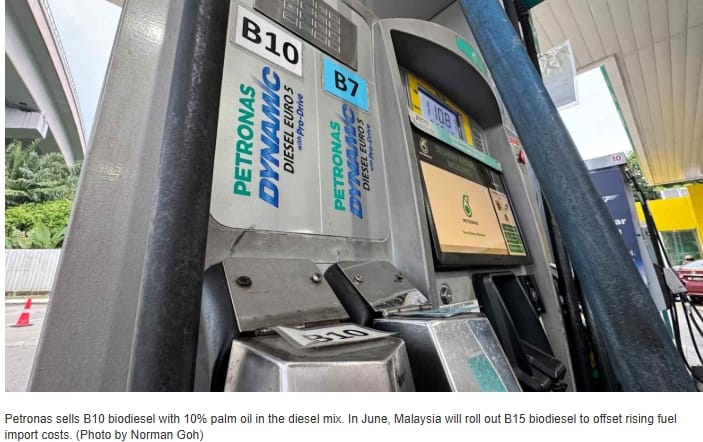
The policy shift—raising the biodiesel mix from 10% to 15% palm oil—comes at a time of heightened global energy volatility, driven in part by geopolitical tensions and supply uncertainties. By expanding the use of locally produced palm oil, the government aims to reduce dependence on imported fossil fuels while simultaneously supporting one of the country’s most strategic agricultural sectors.
Officials describe the move as both pragmatic and immediate in its impact. The plantations and commodities minister emphasised that the transition to B15 represents one of the “most practical and readily deployable” measures available to address fuel price pressures without requiring extensive new infrastructure. Malaysia has already laid much of the groundwork through its earlier biodiesel programmes, allowing for a relatively seamless scale-up.
Beyond price stabilisation, the initiative is expected to deliver a dual economic benefit. Increased domestic consumption of palm oil could help support prices for producers and smallholders, many of whom have faced fluctuating global demand. At the same time, the policy aligns with broader sustainability ambitions by promoting renewable energy usage and reducing net carbon emissions in the transport sector.
However, the transition is not without its challenges. Industry stakeholders have raised concerns about potential impacts on engine performance, supply chain readiness, and export commitments, particularly as Malaysia remains one of the world’s leading palm oil exporters. Balancing domestic utilisation with international demand will require careful policy coordination to avoid market distortions.
Economists also note that while the B15 blend can help moderate fuel costs, it is unlikely to fully shield the economy from global oil price shocks. Instead, it should be seen as part of a broader toolkit that includes targeted subsidies, energy diversification, and long-term investments in alternative fuels.
For now, the government is positioning the biodiesel upgrade as a swift and effective response to immediate economic pressures—one that leverages Malaysia’s natural strengths while buying time for deeper structural reforms in the energy sector.

