
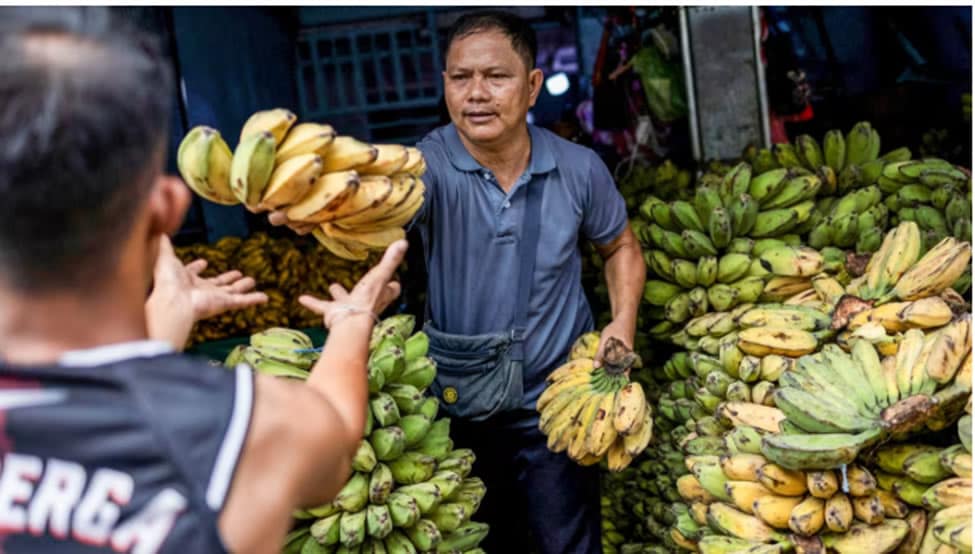



Nigeria’s economy is showing signs of gradual transformation as recent reports indicate the country is becoming less dependent on crude oil revenue than in previous decades. Economic analysts say growing contributions from agriculture, technology, manufacturing, telecommunications and non-oil exports are beginning to reshape Africa’s largest economy.
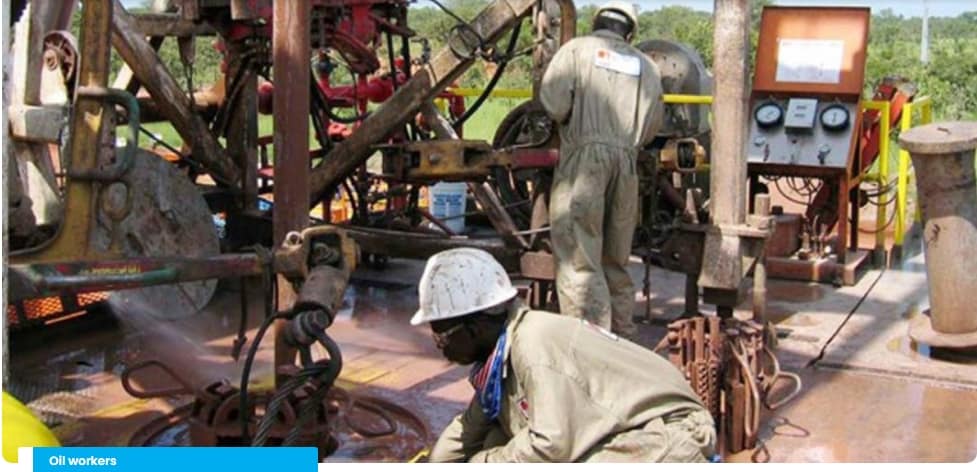
For decades, Nigeria relied heavily on crude oil exports as its primary source of foreign exchange earnings and government revenue. However, fluctuations in global oil prices, recurring production shortfalls and persistent challenges such as pipeline vandalism and oil theft exposed the vulnerability of an oil-dependent economy.
Recent economic data now suggests a shift is underway. Nigeria’s non-oil exports reportedly reached a record $6.1 billion in 2025, reflecting increased activity in sectors including agriculture, solid minerals, manufacturing and services. Analysts say the rise in non-oil trade demonstrates growing diversification efforts by both the government and private sector.
The expansion of domestic refining capacity has also played a major role in reducing Nigeria’s traditional dependence on imported petroleum products. Reports indicate that the Dangote Refinery is now producing fuel volumes capable of meeting local demand, significantly reducing the country’s reliance on foreign fuel imports.
Economists believe this development could help conserve foreign exchange reserves, strengthen the naira and improve energy security within the country. It may also reduce pressure on public finances previously strained by fuel importation and subsidy-related costs.
Nigeria’s digital economy has equally emerged as one of the fastest-growing contributors to national output. Telecommunications, financial technology, entertainment and online services continue to attract local and international investment, creating new employment opportunities beyond the oil sector.
Despite the encouraging progress, experts caution that oil still remains central to Nigeria’s economy and government earnings. Crude exports continue to provide a substantial portion of foreign exchange inflows, making the country vulnerable to international oil market volatility.
Production challenges have also persisted. Nigeria reportedly lost billions of dollars in potential revenue in 2026 due to output levels falling below targets set by the Organisation of the Petroleum Exporting Countries (OPEC).
Analysts argue that sustained economic diversification will depend on consistent reforms, infrastructure development, improved electricity supply and stronger support for local industries. Increased investment in agriculture, export manufacturing, technology and transport infrastructure is also seen as essential for long-term economic stability.
While Nigeria may not yet be fully detached from oil dependence, current trends suggest the country is gradually building a broader and more resilient economic base capable of supporting sustainable growth in the years ahead.


