



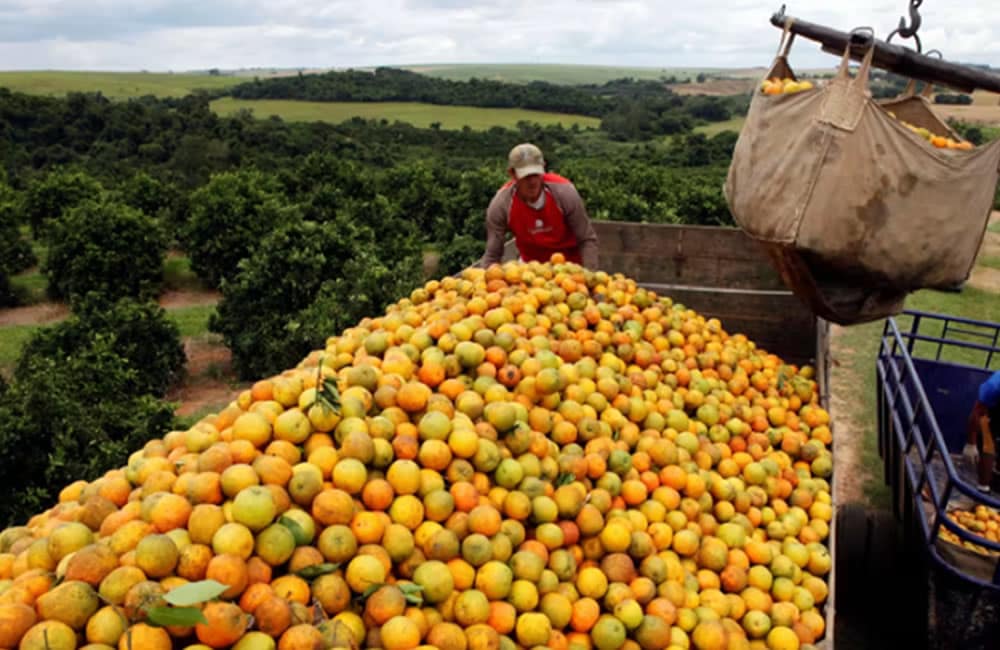
Orange juice futures dropped sharply on global commodities markets following the surprise decision by U.S. authorities to exempt Brazilian orange juice from import tariffs, easing concerns over constricted global supply.
On Monday, prices for frozen concentrated orange juice fell by over 8% on the Intercontinental Exchange (ICE), reversing months of steep gains that had driven orange juice to record highs amid fears of supply shortages. The decline followed a U.S. executive order issued by former President Donald Trump, which rolled back certain protectionist trade barriers, including a 20% import duty on Brazilian citrus products.
Brazil is the world’s largest producer and exporter of orange juice, accounting for more than 70% of global supply. The tariff removal is expected to unleash a fresh wave of Brazilian exports, helping to replenish depleted inventories in the U.S. and Europe.
“This move is a game-changer,” said Elena Torres, commodities analyst at JPM AgriWatch. “We’ve been in a tightening cycle for almost two years due to disease, weather, and trade restrictions. The tariff rollback eases one of the biggest bottlenecks in the market.”
Orange juice prices had surged earlier in 2025 as Florida’s citrus industry continues to struggle with the aftermath of hurricanes and persistent outbreaks of citrus greening disease. With domestic yields at historic lows, U.S. buyers had increasingly relied on imports—until the tariff wall restricted volumes from Brazil.
Industry groups in Brazil welcomed the development. Luiz Ferraz, spokesperson for the Brazilian Citrus Exporters Union, stated: “We appreciate the recognition of Brazil’s role in global food security. This decision supports not only U.S. consumers but also thousands of Brazilian farm families.”
However, not everyone is pleased. Florida growers expressed concern that the move could further damage the struggling local industry. “Cheap imports are undercutting us,” said Marie Jensen, a citrus farmer near Tampa. “If the government wants to help consumers, it should also invest in reviving domestic production.”
Despite the political debate, analysts believe the immediate effect will be a more stable market. “Expect orange juice prices to trend downward in the short term,” said Torres, “but volatility may return if weather disruptions hit Brazil’s next harvest.”

