



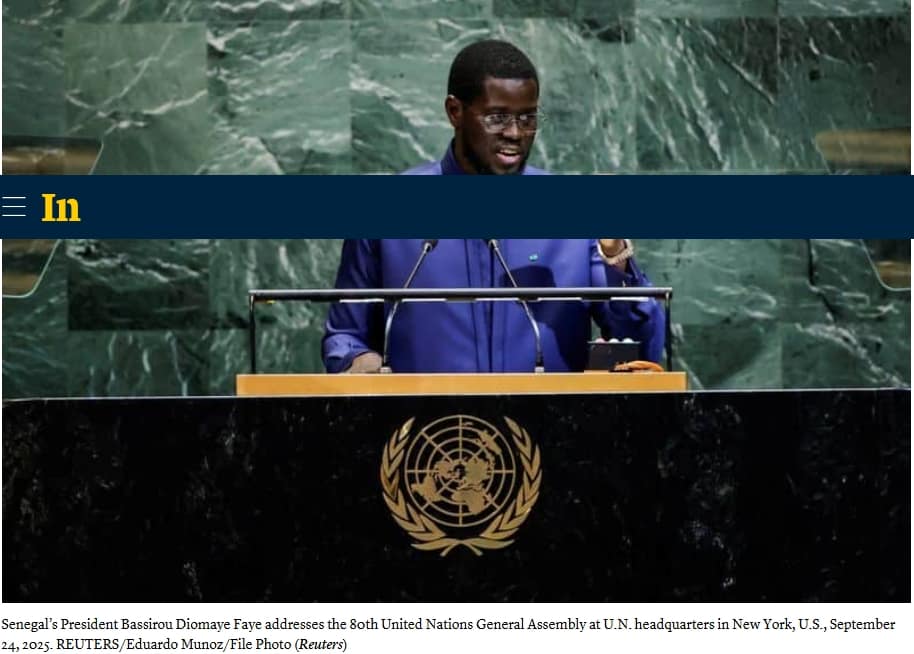
Senegal has been plunged into a fresh wave of political uncertainty following a dramatic leadership shake-up that has unsettled both domestic governance and international financial negotiations. The dismissal of Prime Minister Ousmane Sonko by President Bassirou Diomaye Faye marks one of the most significant ruptures yet within the country’s ruling political arrangement, triggering widespread debate over the future direction of economic reform.
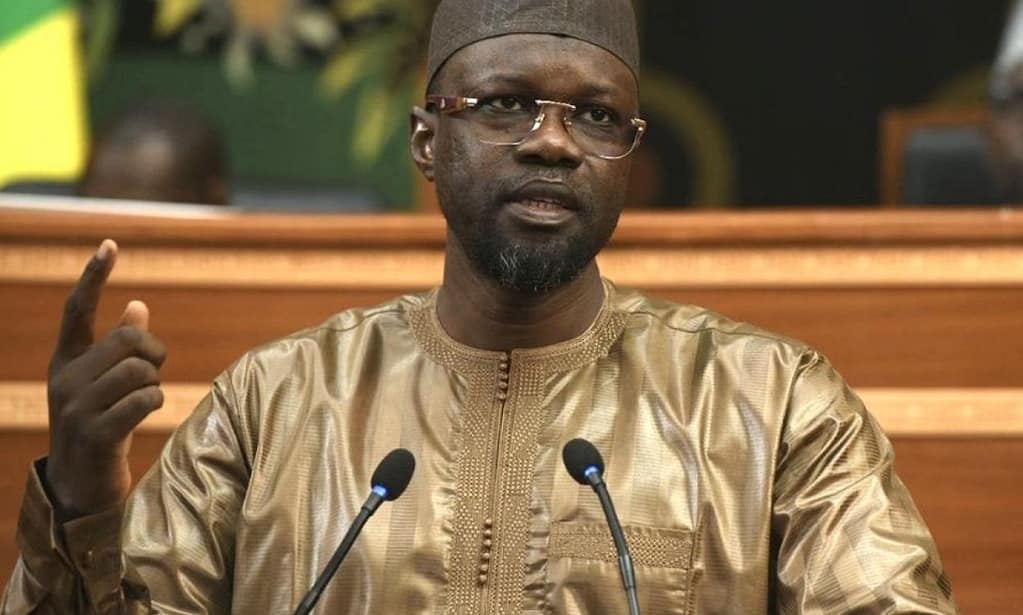
Sonko, a dominant figure in Senegal’s political transformation and a vocal critic of externally driven economic prescriptions, had been central to shaping the government’s reformist identity. His removal is already being interpreted as a turning point that could recalibrate the balance between nationalist economic priorities and engagement with international lenders such as the International Monetary Fund (IMF).
The decision comes at a sensitive time, with Senegal engaged in ongoing discussions with the IMF over fiscal stability, debt management, and structural reform commitments. Analysts suggest that Sonko’s departure may complicate negotiations, particularly given his longstanding scepticism toward some of the Fund’s policy conditions. The uncertainty has introduced fresh concerns about policy continuity at a moment when investor confidence remains highly dependent on predictable reform trajectories.
Financial markets have reacted cautiously to the developments, with early signs of volatility in bond performance reflecting concerns over political stability and future fiscal direction. While Senegal has long been regarded as one of West Africa’s more stable democracies, the current transition has raised questions about internal cohesion within the governing coalition and the durability of its economic programme.
In the interim, incoming Prime Minister Ahmadou Al Aminou Lo is expected to assume responsibility for steering the government’s administrative and economic agenda. However, expectations remain mixed, as stakeholders assess whether the new leadership structure will maintain existing reform commitments or signal a shift in policy direction.
Within political circles, reactions have been sharply divided. Supporters of the restructuring argue that the change could streamline governance and reduce internal tensions that had begun to surface within the administration. Critics, however, warn that the move risks destabilising a carefully negotiated political balance and could weaken Senegal’s bargaining position in international financial engagements.
As the situation unfolds, attention is increasingly focused on how the government will manage investor relations, IMF discussions, and domestic political expectations simultaneously. With economic pressures already mounting across the region, Senegal’s leadership transition is being closely watched as a key test of its institutional resilience and long-term policy credibility.

