




The UK’s steel industry has been rocked by a seismic development after the nation’s third-largest steelworks was placed under government control, putting the future of nearly 1,500 workers in Rotherham and Sheffield into uncertainty.
The ruling came after insolvency courts granted a compulsory winding-up order against Speciality Steels UK (SSUK), part of Liberty Steel – the metals empire of embattled industrialist Sanjeev Gupta. Creditors, who are owed hundreds of millions of pounds, successfully petitioned for the order, marking the collapse of one of Britain’s most important steelmaking operations.
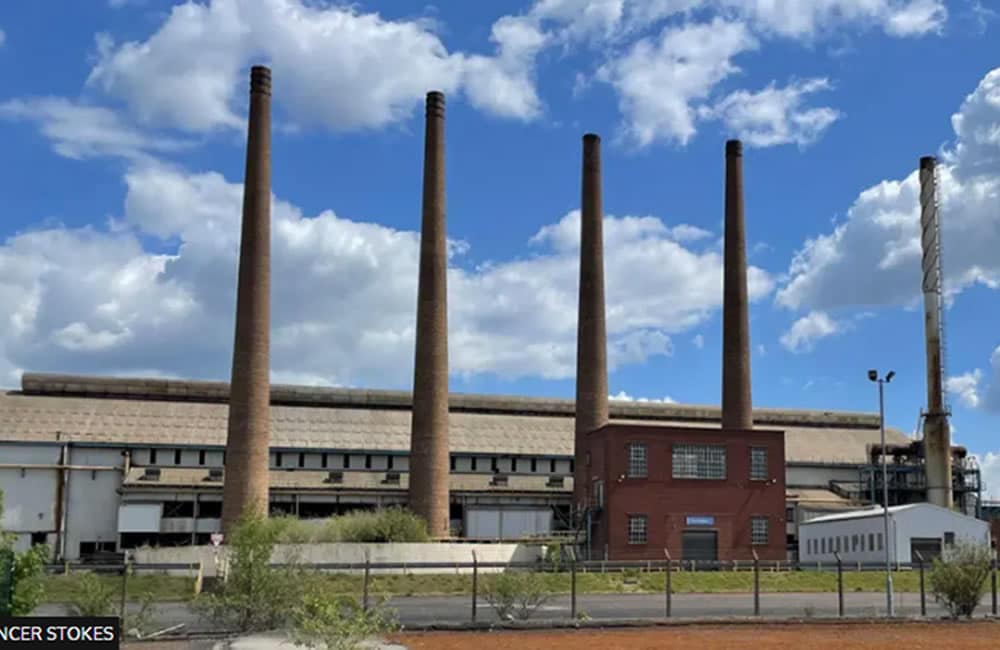
The company will now be administered by the Official Receiver, alongside special managers from the consultancy firm Teneo, who have been tasked with running SSUK on behalf of the liquidator. In the interim, the government has stepped in to ensure continuity, pledging to cover wages and operational costs until a buyer can be found.
“This is a devastating blow for the steel sector and the communities that depend on it,” said one union representative, adding that workers are “facing a deeply uncertain future through no fault of their own.”
Liberty Steel condemned the ruling, calling the liquidation “irrational” and warning of dire consequences. Jeffrey Kabel, the group’s Chief Transformation Officer, said: “The decision to impose compulsory liquidation will cause prolonged uncertainty and significant costs for UK taxpayers in settlements and related expenses, despite the clear availability of a commercial solution.”
The company’s legal team had argued vigorously for a four-week adjournment that would have allowed time to arrange a “pre-pack administration” – a legal mechanism enabling an insolvent company to sell its viable assets to a new bidder.
Gupta’s lawyers had sought financial backing from investment firms BlackRock and Fidera, both known for investing in distressed businesses, to buy back SSUK and safeguard its operations. But the court was unconvinced, describing the company’s position as beyond recovery.
The presiding judge dismissed the plea for adjournment, branding the company “hopelessly insolvent.” According to court documents, SSUK had only £600,000 in cash reserves, set against a monthly wage bill of £3.7 million. Its parent group, meanwhile, is entangled in insolvency proceedings spanning 15 entities across nine jurisdictions, further undermining confidence in its ability to support the business.
The judge concluded that allowing the company to continue under Gupta’s plan would risk “free fall” insolvency, leading to “significant disruption, cost, and risk to a nationally important steel company and its 1,500 employees.”
For now, the government’s intervention offers temporary stability, but the search for a long-term buyer looms large. Industry observers say the fate of SSUK will be a critical test of the government’s industrial strategy, particularly as steelmaking remains central to the UK’s economic and national security interests.
“This steelworks is not just an employer – it is a pillar of our manufacturing base,” said one local business leader. “Losing it would weaken supply chains across the country.”
While the immediate focus is on keeping furnaces running and wages paid, the coming months will determine whether the Rotherham and Sheffield plants can be salvaged under new ownership – or whether the collapse signals a deeper crisis in the future of British steel.

