




By Shabana Abass (Birmingham,UK)
British bus manufacturing is set for a major lift following renewed pledges from ministers and metro mayors to support job creation, green technology, and long-term investment in zero-emission transport.
At the heart of the drive is a 10-year pipeline of zero-emission bus orders, designed to give UK manufacturers the certainty to scale up production and expand workforce numbers. The commitment was unveiled during the fifth UK Bus Manufacturing Expert Panel meeting on 28 July, chaired by Transport Secretary Heidi Alexander. Local Transport Minister Simon Lightwood joined the session alongside metro mayors Richard Parker (West Midlands), Steve Rotheram (Liverpool City Region), and David Skaith (York and North Yorkshire).
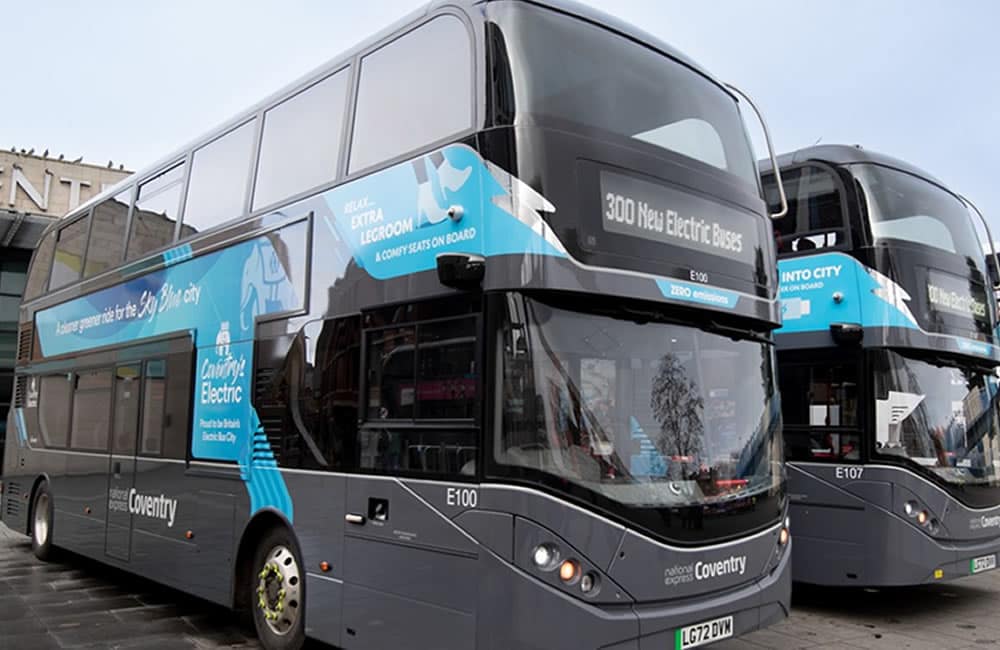
Currently, around 60% of government-funded zero-emission buses are built domestically under the Zero Emission Bus Regional Areas (ZEBRA) scheme. The panel reaffirmed a shared priority: to maintain and increase that figure — ensuring public funds contribute directly to British jobs, innovation, and supply chains.
“By mapping out future demand, we’re giving industry the certainty they need to grow – supporting jobs, delivering better buses for passengers, and accelerating our journey towards a cleaner, greener transport system,” said Alexander.
So far, nearly £38 million has been committed to deliver 319 zero-emission buses across 12 cities in England by 2027. Key allocations include £20 million for the West of England, £3.9 million for Hull, and £2.3 million for Nottinghamshire. These funds will be matched by at least £3 in private investment for every £1 of public money.
Additional funding totalling £28 million has also been set aside for new fleets in Sheffield and Bradford. This funding surge is bolstered by the pending Bus Services Bill, which is expected to grant councils more control over local transport decisions and includes provisions to ban new diesel bus sales from 2030.
Jason Prince, Director of the Urban Transport Group, welcomed the renewed focus, saying: “Investing in greener, cleaner buses is good for our transport systems, our health and the economy.”
As Britain pushes forward with its net-zero ambitions, the collaboration between central government, local authorities, and manufacturers signals a bold step toward a more sustainable public transport system — with British-built buses leading the way.

