



On a recent afternoon in Beijing, a popular hotpot chain lured in customers with an irresistible offer: free meals for anyone willing to queue. In Shanghai, a luxury boutique slashed the price of designer handbags by nearly half, hoping to move stock. Across China, retailers, restaurants, and e-commerce platforms are engaged in a fierce price war—one that reveals both creativity and desperation as businesses fight for the wallets of increasingly cautious consumers.
“Competition has never been this intense,” says Li Qiang, a retail analyst in Shenzhen. “From household goods to luxury items, companies are cutting prices to levels that were unthinkable just two years ago. The underlying message is that consumers simply aren’t spending the way they used to.”
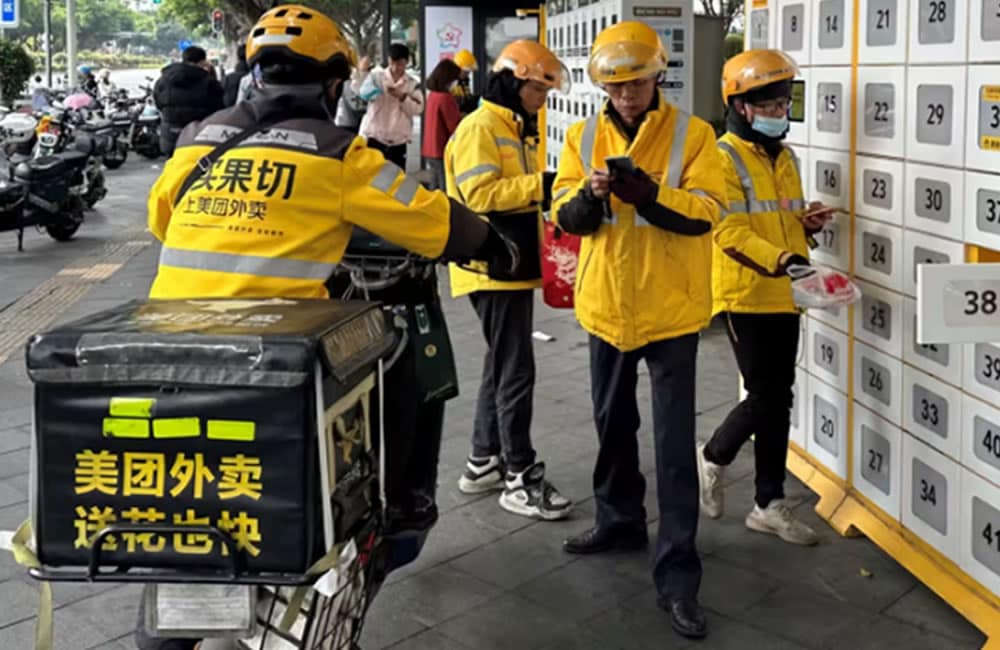
The frenzy of discounts underscores a deeper challenge: China’s struggle with deflationary pressure. For months, consumer prices have stagnated or fallen, weighed down by weak household demand, a slowing property market, and widespread economic uncertainty. Analysts warn that the escalating price wars, while a short-term boon for shoppers, may be a sign of distress rather than vitality.
“Deflation is not just about falling prices—it’s about a mindset,” explains Chen Mei, an economist at a Beijing think tank. “Once people start believing things will be cheaper tomorrow, they postpone purchases, and that creates a vicious cycle. Companies then slash prices further, eroding profits and investment.”
The effects are visible everywhere. Fast-food chains offer “buy one, get one free” deals on staples. Supermarkets tempt shoppers with free snacks at checkout. Even high-end brands, traditionally insulated from price wars, are lowering tags to attract customers who increasingly prioritise savings over status.
Ordinary consumers admit that spending habits have changed. “I used to buy clothes every month, but now I wait for the biggest sales,” says Wang Yue, a 29-year-old office worker in Guangzhou. “If I know the bag I want will be half-price during the festival season, why buy it now?”
This reluctance is amplified by broader anxieties: job insecurity, a sluggish property sector, and declining returns on investments that once boosted household wealth. As disposable incomes flatten, businesses face shrinking margins in the battle for footfall. “It’s like a race to the bottom,” warns Li Qiang. “Some firms won’t survive if this continues. Aggressive discounts can’t cover structural weakness in demand.”
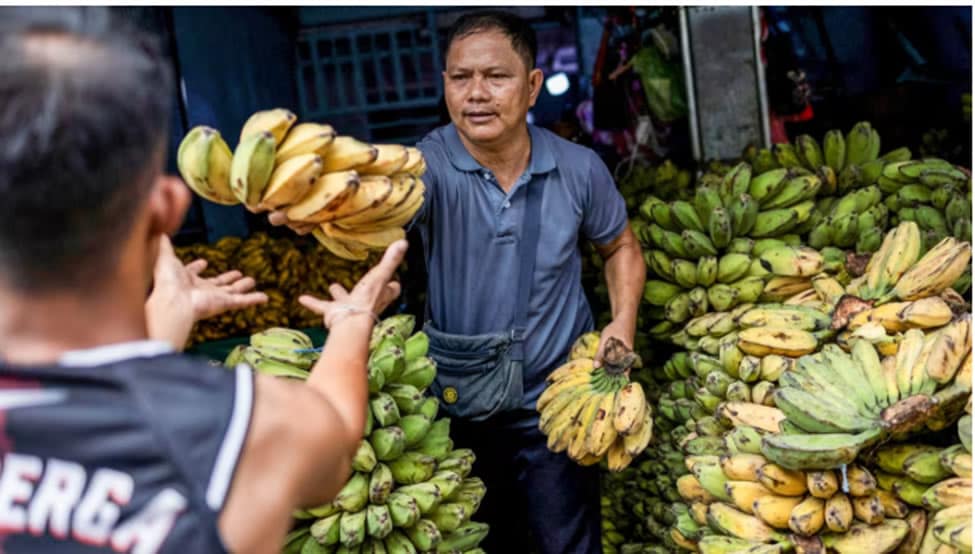
E-commerce giants have been particularly aggressive, rolling out near-constant discount festivals. Platforms like Pinduoduo, JD.com, and Taobao compete with flash sales, free delivery schemes, and loyalty rewards. For consumers, the result is an endless carousel of promotions; for companies, it is a bruising contest that threatens long-term profitability.
“Online retail is where the price war is fiercest,” says Chen Mei. “Digital platforms have conditioned shoppers to expect constant bargains. Once customers get used to 50% off, full price becomes almost impossible to sustain.”
Even global luxury houses—long seen as immune to local market cycles—are adapting. Several international labels have quietly trimmed prices in Chinese stores, while others rely on partnerships with e-commerce platforms to reach hesitant buyers. “Luxury is not recession-proof,” says a Shanghai-based consultant for a European fashion house. “When consumers are anxious about mortgages and jobs, even the wealthy start asking: Do I really need this bag at full price?”
For now, bargain hunters are enjoying the spoils. Families can dine out for less, young professionals can buy brands once out of reach, and essentials are more affordable. But economists caution that this “consumer’s paradise” may mask deeper weaknesses in Asia’s largest economy.
“Discounting your way to growth is not sustainable,” says Chen Mei. “It erodes profits, delays investment, and can lead to job losses—further weakening demand. The cycle is hard to break once it sets in.”
Beijing is watching closely. Policymakers have implemented measures to stimulate consumption, ranging from tax breaks to subsidies on electric cars, but the challenge remains formidable. The battle in the marketplace—free food, half-price handbags, endless sales—is a symptom of a deeper malaise: households unwilling, or unable, to spend confidently. As one weary restaurateur in Chengdu put it: “We give away bowls of noodles to bring people through the door. But what happens when even free food isn’t enough?”

