




In the corridors of Tokyo’s shipyards, the hum of welding machines and the clang of steel are familiar sounds. But when it comes to embracing a wave of foreign investment—particularly from the United States—Japan’s shipbuilding industry is proving far less noisy. Despite a government push to attract global capital, many of the country’s largest shipbuilders remain hesitant, leaving South Korea better placed to capture the benefits of Washington’s maritime strategy.
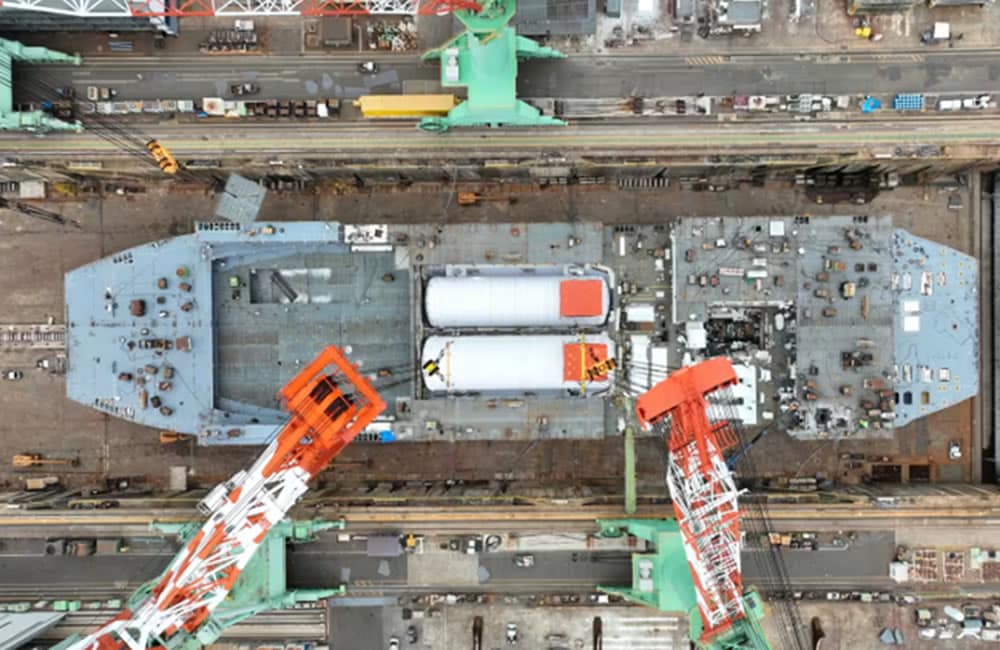
The divergence comes at a pivotal moment. The U.S. has signalled growing interest in bolstering alliances through industrial partnerships, and shipbuilding—a sector vital to defense, trade, and green-energy transitions—sits at the heart of that vision. While Japan’s policymakers are keen to pitch their country as a reliable partner, the industry’s response has been lukewarm.
“Japanese firms tend to take a conservative approach,” says a Tokyo-based analyst of industrial policy. “They are wary of foreign entanglements that might expose them to risks or force structural changes.”
The Japanese government has quietly encouraged shipbuilders to open their doors to U.S. investment, framing it as part of a broader alliance-building effort. Officials argue that partnerships could inject new life into an industry squeezed by rising costs, aging infrastructure, and fierce international competition.
But the private sector has been reluctant. Executives cite concerns about losing autonomy, exposing sensitive technologies, and being forced into supply chain shifts that do not align with their long-term strategies. One senior figure at a major shipyard put it bluntly: “We have to think about our future competitiveness. Simply accepting U.S. capital without guarantees on technology sharing or market access could be a liability.”
This cautious stance stands in contrast to South Korea, where the government has pledged a sweeping $150 billion investment in shipbuilding and related industries. Seoul has framed the commitment as central to its national growth strategy, combining state support with private-sector dynamism.
South Korea’s shipbuilding giants—already global leaders in container ships, LNG carriers, and naval vessels—are moving quickly to align themselves with both domestic funding and foreign partnerships. By embracing investment, Seoul aims to consolidate its competitive edge and strengthen ties with allies.
“South Korea is seizing the moment,” says a maritime economist based in Busan. “The $150 billion pledge is not just money—it’s a signal to global investors that the country is open for business, committed to innovation, and ready to lead in green shipping technologies.”
South Korea’s shipyards are also positioned to benefit from the global push toward decarbonisation. Demand for liquefied natural gas carriers, hydrogen-ready vessels, and environmentally friendly shipping designs has surged. With government backing and strong private appetite for partnerships, Korean firms are racing ahead.
For Japan, the contrast is stark. Its shipbuilding industry, once a world leader, has steadily lost ground to South Korea and, increasingly, China. The reluctance to accept U.S. investment could deepen that gap at a time when scale, technology, and international alignment are decisive.
“There’s a sense of pride and protectiveness in Japan’s shipbuilding culture,” the Tokyo analyst notes. “But pride does not pay the bills. If the industry isolates itself, it risks becoming marginal in a rapidly consolidating global market.”
The stakes go beyond economics. For Washington, maritime collaboration is about ensuring secure supply chains and bolstering naval capacity amid rising geopolitical tensions in the Indo-Pacific. Japan’s caution therefore, complicates broader alliance strategies.
Despite resistance, some in Japan see potential opportunities. Younger executives and engineers are pressing for more openness, particularly in areas like digital ship design, automation, and green propulsion. “We can’t modernise without international collaboration,” says a mid-level manager at a Yokohama shipyard. “If South Korea is already moving, we risk being left behind.”
The Japanese government continues to court U.S. interest, but the industry’s caution means progress is slow. Meanwhile, South Korea, with its bold $150 billion plan, looks increasingly well-positioned to capture not just investment but also global leadership in the shipbuilding race.
As one maritime expert summed it up: “Japan hesitates. Korea accelerates. The world is watching—and investors know where momentum lies.”

