



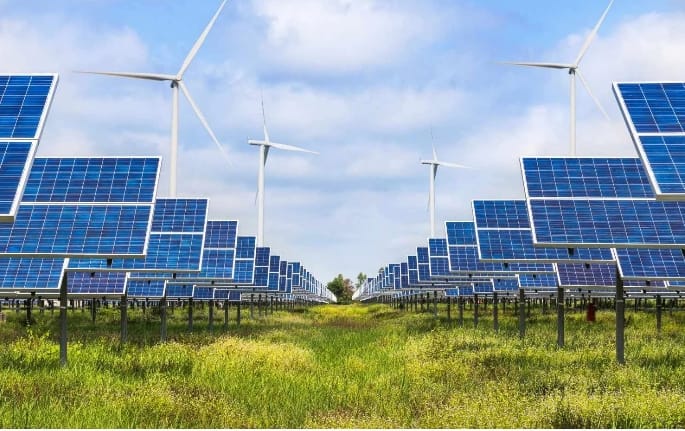
Renewable energy expansion is gaining remarkable momentum across Kenya and South Africa, as both nations intensify efforts to transition away from fossil fuels and strengthen energy security. Driven by rising electricity demand, climate commitments and the need to stabilise power supply, governments and private investors are accelerating projects in solar, wind and geothermal energy, positioning the two countries as leaders in Africa’s clean energy transformation.
In Kenya, long recognised for its geothermal capacity, new investments are deepening the country’s renewable portfolio. The Kenya Electricity Generating Company has continued to expand geothermal production in the Rift Valley, while also scaling up wind and solar projects to diversify the energy mix. Officials say the strategy is designed not only to meet growing domestic demand but also to support regional power exports.
“We are building a resilient, sustainable energy system that can power our economy for decades to come,” said Peter Njenga. “Geothermal remains our backbone, but we are increasingly integrating wind and solar to ensure reliability and affordability for consumers.”
Kenya already generates a significant portion of its electricity from renewable sources, and policymakers are keen to push that figure even higher. The government has also been working to attract international financing, leveraging green energy credentials to secure investment from global development institutions.
Meanwhile, in South Africa, the urgency of energy reform has been shaped by persistent power shortages and load-shedding challenges. The government has responded by opening up the energy market to independent power producers, triggering a surge in renewable energy projects across the country. Solar farms and wind installations are being rolled out at an unprecedented pace, supported by both public policy and private sector participation.
According to Eskom, the shift toward renewables is critical to stabilising the national grid. “We are at a turning point in South Africa’s energy journey,” said Dan Marokane. “Renewable energy is not just an environmental imperative—it is essential for ensuring consistent and reliable power supply.”
Industry stakeholders say the reforms have unlocked new opportunities for investment and innovation. Large-scale renewable projects are being complemented by smaller, decentralised systems, including rooftop solar installations for businesses and households. This diversification is helping to reduce pressure on the national grid while empowering consumers to generate their own electricity.
Despite the progress, challenges remain. Infrastructure limitations, regulatory hurdles and financing constraints continue to affect the pace of implementation in both countries. Experts also warn that integrating renewable energy into existing grids requires significant upgrades to transmission networks and storage capacity.
“Transitioning to renewables is not just about building new plants—it’s about transforming the entire energy ecosystem,” said Nomvula Mokonyane. “We need investment in grid infrastructure, policy consistency and long-term planning to sustain this momentum.”
Nevertheless, the outlook remains positive. Both Kenya and South Africa are increasingly seen as attractive destinations for green investment, with their renewable energy sectors offering strong growth potential. As global attention turns toward sustainable development, the progress being made in these countries highlights the role emerging economies can play in shaping the future of clean energy.
For citizens and businesses alike, the benefits could be far-reaching—from more reliable electricity supply to reduced energy costs and a lower environmental footprint. As projects continue to expand, Kenya and South Africa are not only addressing their own energy challenges but also setting a powerful example for others to follow.

