




Regional tensions across the Middle East have intensified sharply as the escalating conflict involving Iran continues to send shockwaves through security arrangements, energy markets, and diplomatic relations in the Gulf, with Saudi Arabia and neighbouring states taking heightened precautionary measures amid fears of further escalation.
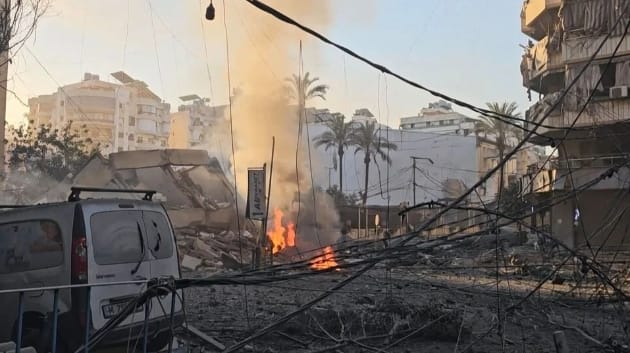
The crisis, now stretching across multiple fronts, has created what officials describe as one of the most fragile security environments in recent years. While direct attacks between the main actors remain concentrated further north, the wider region is increasingly feeling the economic and strategic consequences, particularly through disruptions to energy routes and rising defence readiness.
Markets in the Gulf have reacted swiftly to developments, with stock indices fluctuating in response to fears that the conflict could intensify and disrupt oil production or shipping lanes. Brent crude has remained volatile, reflecting concerns over supply stability through key maritime chokepoints such as the Strait of Hormuz, through which a significant share of global oil exports passes. Analysts warn that even the perception of instability is enough to unsettle investors and drive up prices.
A senior Gulf-based economist noted that “the region is effectively operating under a permanent risk premium at this stage.” He added, “Every new escalation in the Iran conflict is immediately priced into energy markets. That has direct consequences for inflation, investment decisions and even sovereign borrowing costs across the Gulf.”
Security concerns have also risen significantly. Several Gulf states, including Saudi Arabia, have strengthened air defence systems and increased coordination with international partners. Intelligence-sharing arrangements have reportedly been enhanced, while military readiness levels remain elevated in response to the possibility of spillover attacks or proxy activity linked to the wider conflict.
A regional security analyst said the situation is “no longer a contained conflict.” He explained, “What we are seeing is a widening circle of uncertainty. Even countries not directly involved are having to prepare for indirect consequences—whether that is drone activity, maritime disruption, or cyber threats targeting critical infrastructure.”
In Saudi Arabia, officials have publicly emphasised stability and deterrence while privately acknowledging the seriousness of the regional environment. A senior government adviser stated, “The kingdom’s priority is safeguarding energy infrastructure and maintaining regional stability. We are working closely with allies to ensure that the conflict does not expand further into Gulf territory.”
Neighbouring states, including the United Arab Emirates and Qatar, are also closely monitoring developments, particularly due to their reliance on uninterrupted maritime trade routes. Shipping companies have already adjusted certain routes and insurance premiums have risen, reflecting heightened risk perceptions.
Diplomatic efforts continue behind the scenes, with international actors urging de-escalation and renewed negotiations. However, progress remains limited, and the absence of a clear diplomatic breakthrough has contributed to ongoing uncertainty.
A Gulf-based diplomatic source summarised the mood bluntly: “Everyone is trying to avoid escalation, but no one is fully confident about what happens next. That uncertainty is the biggest challenge right now.”
As the conflict persists, the broader region remains on alert, balancing economic resilience with security preparedness in an environment increasingly shaped by volatility and unpredictability.

