




Households across the United Kingdom are facing renewed financial strain as global energy price shocks ripple through domestic markets, pushing up living costs and reigniting concerns about inflation, interest rates, and household debt.
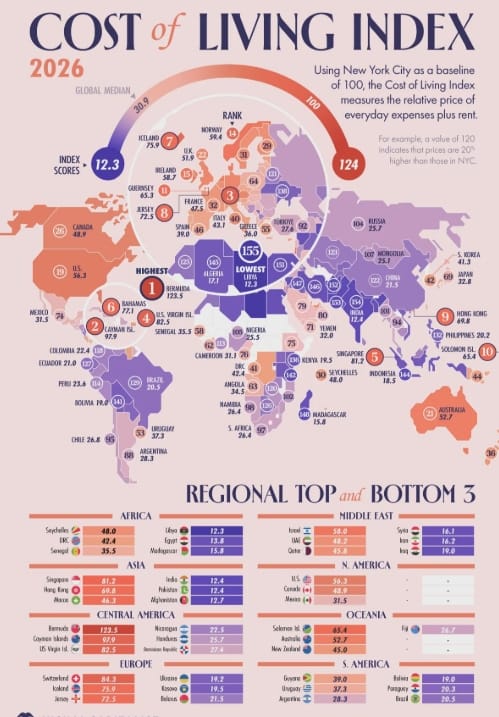
The latest surge in wholesale energy prices—driven largely by geopolitical instability and supply uncertainty linked to the Middle East conflict—has filtered rapidly into UK utility bills, transport costs, and broader consumer prices. Analysts say the speed and scale of transmission highlights how exposed the UK economy remains to global energy volatility.
Economists warn that the pressure is arriving at a particularly difficult moment, with many households still recovering from previous inflationary spikes. Energy suppliers have begun adjusting tariffs, while businesses report rising operational costs that are increasingly being passed on to consumers.
A senior economist at a leading UK think tank said, “What we are witnessing is a classic energy shock being imported directly into household budgets. The UK is highly exposed because of its reliance on global gas pricing, and that translates into immediate cost-of-living pressure.”
In response, policymakers are closely monitoring the situation. Treasury officials have acknowledged that renewed inflationary pressure could complicate efforts to ease financial conditions. The Bank of England, which has been carefully balancing inflation control with growth concerns, may now face increased pressure to keep interest rates higher for longer than previously expected.
A financial analyst based in London explained, “Higher energy prices don’t just affect utility bills—they cascade through the entire economy. They influence inflation expectations, wage demands, mortgage rates, and even business investment decisions.”
For ordinary households, the impact is already being felt. Rising electricity and gas bills are once again forcing families to reassess budgets, while transport costs have also edged upward as fuel prices respond to global oil market fluctuations.
A resident in London described the situation as increasingly difficult. “It feels like every few months there is another price rise we have to absorb,” she said. “We try to plan carefully, but energy and food costs keep shifting in a way that makes budgeting very hard.”
Small businesses are also under pressure. A café owner in Manchester said increased energy bills are squeezing already thin margins. “We’ve had to rethink our pricing again,” he said. “Electricity and gas costs are unpredictable, and that makes it difficult to plan ahead or invest in staff and expansion.”
The government has indicated it is assessing options to support vulnerable households if energy prices remain elevated into the winter months. However, officials have also stressed that global market forces limit the scope for immediate domestic intervention.
A Treasury spokesperson noted, “We recognise the pressures households are facing. Our focus remains on supporting economic stability while ensuring that targeted assistance is available for those most affected.”
Meanwhile, economists warn that the broader risk is a slowdown in consumer spending, which could weigh on overall economic growth. Retailers are already reporting more cautious purchasing behaviour, with households prioritising essentials over discretionary spending.
As the situation develops, attention is increasingly focused on whether energy markets will stabilise or whether further geopolitical escalation could prolong the current cycle of volatility. For now, the outlook remains uncertain, with UK households once again at the sharp end of global economic turbulence.

