



Bangladesh’s vital garment industry is turning to trade diplomacy as a pathway to recovery, with manufacturers increasingly looking beyond traditional markets to offset weakening demand from the West. As consumer confidence cools across Europe and North America, monthly export shipments—once the backbone of the country’s economic growth—are showing signs of strain.
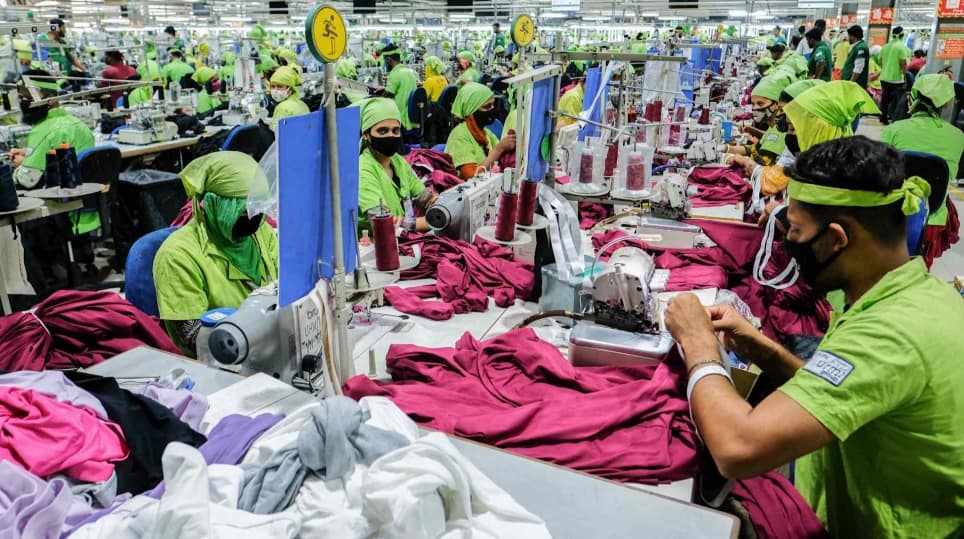
For decades, Bangladesh has been one of the world’s leading apparel exporters, supplying major global brands with competitively priced clothing. The sector accounts for the bulk of the country’s export earnings and employs millions, making any slowdown not just an economic concern but a social one. Now, a combination of inflationary pressures, shifting consumer behaviour, and inventory overhang in key markets is dampening order volumes.
Retailers in the United States and Europe are becoming more cautious, placing smaller orders and delaying restocking cycles. As a result, Bangladeshi manufacturers are experiencing a noticeable dip in monthly shipments, raising concerns about factory utilisation rates and employment stability. Industry leaders warn that if the trend continues, it could trigger broader ripple effects across supply chains and labour markets.
In response, policymakers and exporters are intensifying efforts to secure new trade agreements and strengthen existing partnerships. The focus is on diversifying export destinations and reducing reliance on a narrow set of Western markets. Emerging regions in Asia, the Middle East, and Africa are increasingly seen as viable alternatives, offering both growing consumer bases and strategic trade opportunities.
Trade negotiations are also being viewed as a tool to maintain competitiveness. Preferential access to markets through reduced tariffs and streamlined customs processes could provide Bangladeshi exporters with a critical edge, especially as global competition intensifies. Rivals such as Vietnam and India are already leveraging trade agreements to expand their market share, adding urgency to Bangladesh’s efforts.
At the same time, there is a growing recognition that long-term resilience will require more than market diversification. Industry stakeholders are calling for greater investment in product innovation, sustainability, and value-added manufacturing. Moving up the value chain—from basic garments to higher-end apparel—could help cushion the impact of fluctuating demand and improve profit margins.
Despite the challenges, there remains cautious optimism within the sector. Bangladesh has demonstrated remarkable adaptability in the past, navigating global crises and maintaining its position as a key player in the apparel industry. The current slowdown, while significant, is also being viewed as an opportunity to recalibrate strategy and build a more diversified and resilient export model.
Ultimately, the success of these efforts will depend on how quickly trade deals can be finalised and how effectively the industry can pivot to new markets. In an increasingly uncertain global economy, Bangladesh’s garment sector is at a critical juncture—balancing immediate pressures with the need for long-term transformation.

