




In a closely watched policy shift, the Bank of England (BoE) has cut interest rates for the first time in over four years, lowering the base rate from 5.25% to 5.00%. The decision reflects mounting concerns over sluggish economic growth, stubborn inflation, and rising fiscal uncertainty as the new government under Prime Minister Keir Starmer rolls out its economic agenda.
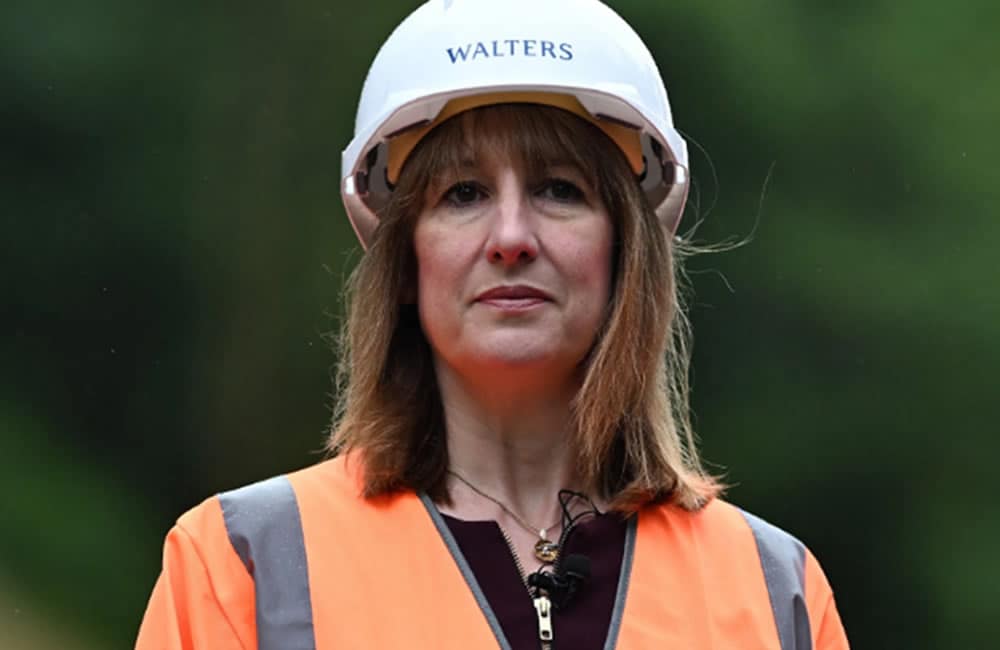
The move comes as Chancellor of the Exchequer Rachel Reeves, the UK’s first female chancellor, signals a series of potential tax changes to fund Labour’s ambitious economic reforms. Investors and business leaders have expressed anxiety over the direction of fiscal policy, especially amid global volatility and a fragile domestic recovery.
The Monetary Policy Committee (MPC) voted 6-3 in favour of the 25 basis point cut, citing a slowdown in consumer spending, softening wage growth, and signs of easing core inflation. Analysts say the BoE’s decision is an attempt to stimulate investment and consumption ahead of potential fiscal tightening.
In its statement, the MPC noted: “While inflation has eased from its peak, the outlook remains uncertain. The rate cut is intended to provide breathing space for households and businesses amid fiscal transitions.”
The BoE also lowered its GDP growth forecast for 2025 from 1.2% to 0.9%, warning that high borrowing costs and cautious business sentiment are weighing heavily on economic momentum. Recent data from the Office for National Statistics showed the UK economy grew by just 0.1% in Q2 2025.
Chancellor Rachel Reeves, in her post-election briefings, has pledged to restore “economic credibility and social fairness.” Her team has hinted at closing tax loopholes for high earners, introducing measures to curb offshore tax avoidance, and potentially revisiting capital gains and inheritance tax thresholds.
While Reeves insists there will be “no increase in income tax or VAT for working people,” critics argue the planned reforms could stifle entrepreneurship and capital flow just as the UK tries to rebound.
Financial markets have responded with mixed signals. Sterling dipped slightly against the dollar, while UK gilt yields climbed amid investor uncertainty over long-term fiscal policy. The FTSE 100, however, closed 0.4% higher, buoyed by hopes that lower interest rates could boost consumer-facing sectors.
“This is a delicate dance between monetary easing and fiscal ambition,” said Rose Thompson, a senior UK economist at Arbora Capital. “The BoE has acted to support demand, but Reeves must now convince investors and the public that her tax plans won’t undercut confidence.”
Economists say the rare alignment of monetary loosening and a new, progressive fiscal regime will test the UK’s economic resilience. Labour’s manifesto includes significant investments in green energy, housing, and public services—all requiring careful balancing between tax increases and debt sustainability.

The BoE, for its part, is treading cautiously. It emphasized that further cuts would depend on inflation data and fiscal clarity from the Treasury. Inflation currently stands at 2.3%, just above the BoE’s 2% target, but food and energy prices remain volatile.
“We are not committing to a downward path,” BoE Governor Andrew Bailey told reporters. “We are responding to the data, and we remain vigilant to the risks ahead, especially as new fiscal policies are unveiled.”
Business groups have welcomed the rate cut but remain wary of the broader economic direction. The Confederation of British Industry (CBI) praised the BoE’s move as a “confidence booster,” but urged the government to ensure tax reforms do not burden productive sectors.
Meanwhile, the Federation of Small Businesses (FSB) called for “targeted relief and certainty” for SMEs already grappling with wage increases, energy costs, and post-Brexit red tape.
“This is a critical moment for the UK economy,” said Rose Thompson. “The next six months will be shaped not just by interest rates, but by the clarity and credibility of Reeves’ fiscal plan.”
As the UK enters a new economic chapter under Labour, all eyes will be on the interaction between Threadneedle Street and the Treasury. For now, the Bank has made its move—Reeves must now deliver hers.

