




The United Kingdom’s local and devolved elections held on 7 May 2026 may ultimately be remembered as one of the most politically transformative moments in modern British history. What was expected to be a difficult election night for Prime Minister Keir Starmer and the Labour Party instead became a political earthquake that exposed growing national frustration, accelerated the rise of Nigel Farage and Reform UK, and raised serious questions about Britain’s political future, economic direction, and post-Brexit identity.
The elections covered hundreds of councils across England, alongside important devolved contests in Scotland and Wales. The results revealed a deeply fragmented political landscape. Labour suffered devastating losses, Reform UK surged dramatically, the Green Party achieved historic gains in urban areas, while the Conservatives continued their long decline despite avoiding total collapse in some regions.
The most striking development was the extraordinary rise of Reform UK. According to the final results, Reform UK won approximately 1,453 council seats, gaining more than 1,450 seats compared to previous elections and taking control of 14 councils. Labour, by contrast, lost nearly 1,500 seats nationwide.
The symbolic significance of some defeats was even more damaging for Labour. In Sunderland, a city Labour had dominated for half a century, Reform UK swept to victory, winning 58 seats while Labour collapsed to just five councillors. In Newcastle-under-Lyme, Reform UK won an outright majority, another sign that traditional Labour and Conservative loyalties are rapidly dissolving.
Even London, historically Labour territory, delivered painful results for the governing party. Labour recorded its worst London local election performance since 1968, losing hundreds of seats while the Green Party made major gains.
These results reveal far more than temporary voter frustration. They suggest Britain is entering a new political era in which the traditional two-party system is weakening. Reform UK is no longer merely a protest movement; it is now emerging as a serious political force capable of reshaping British politics.
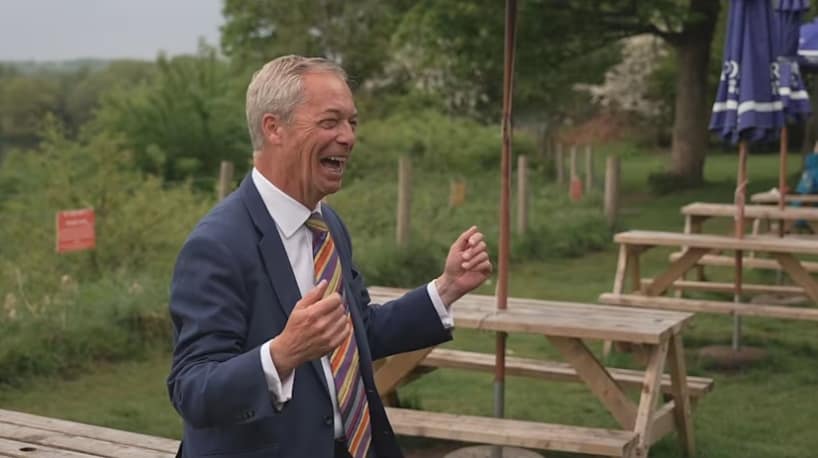
Nigel Farage described the elections as a “historic political shift,” arguing that millions of voters had lost faith in both Labour and Conservative governments. His message resonated strongly in economically struggling towns, coastal communities, and former industrial areas where voters increasingly feel disconnected from Westminster politics.
The election results reflect several deeper national frustrations. First is the continuing cost-of-living crisis. Despite Labour entering government promising economic renewal, many households still face rising housing costs, inflationary pressures, expensive energy bills, and stagnant wages. Public patience appears to be running thin.
Second is immigration and border control. Reform UK successfully tapped into growing public concerns about migration, asylum policies, and national identity. Although Brexit formally removed Britain from the European Union, many Brexit-supporting voters believe successive governments failed to fully deliver the sovereignty and border reforms they expected.
Third is political trust. Across Britain, voters increasingly believe that mainstream politicians do not understand ordinary life. This distrust is driving support toward anti-establishment parties on both the right and left.
The rise of Reform UK also suggests that Brexit remains politically unfinished. Brexit itself is no longer the dominant daily political issue, but its emotional and ideological legacy continues to shape public opinion. For many Reform voters, Brexit represented a demand for national control, economic renewal, and political independence. Many now feel those promises were either diluted or poorly managed.
Critics of Brexit argue that Britain has struggled economically outside the European Union, citing trade disruption, labour shortages, weaker investment confidence, and reduced productivity growth. Supporters argue Brexit itself is not the problem, but rather the failure of successive governments to create a coherent post-Brexit economic strategy.
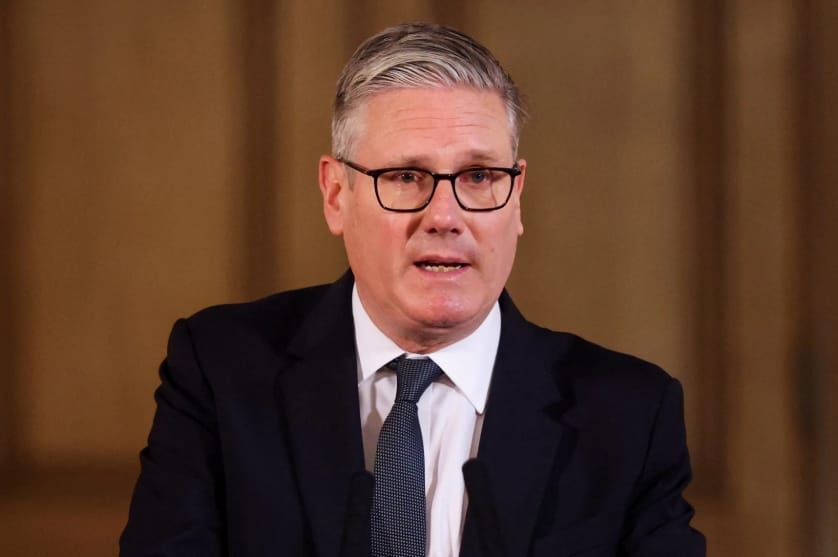
This debate became even more important following Prime Minister Starmer’s speech this morning, delivered amid mounting pressure from Labour MPs demanding his resignation. In one of the most important speeches of his premiership, Starmer attempted to reset both his leadership and Labour’s national direction.
The Prime Minister acknowledged voter frustration and admitted Labour had failed to convince many people that their lives would improve under his government. He promised to “prove doubters wrong” and insisted he would not resign despite growing internal rebellion within the Labour Party.
Starmer also warned against plunging Britain into “chaos” through another leadership crisis, referencing the instability Britain experienced during the later Conservative years. He argued that Britain needed steady leadership during a period of economic uncertainty and geopolitical instability.
Importantly, the Prime Minister signalled a stronger willingness to rebuild relations with Europe. While ruling out formally rejoining the European Union, he indicated support for closer cooperation with the EU on trade, youth mobility, investment, and industrial strategy.
Politically, the speech helps Starmer in several ways. First, it demonstrates resilience. Had he appeared weak or uncertain, pressure for his resignation could have intensified immediately. Second, the speech attempts to reposition Labour as the party of stability against what Labour describes as the dangers of populism and fragmentation.
Third, Starmer sought to reconnect emotionally with voters by speaking less like a lawyer or technocrat and more like a political leader aware of public anger. Political commentators noted that the speech was more personal and emotionally charged than many of his previous appearances.
However, the speech also revealed Labour’s deeper challenge. Britain’s crisis is not only economic but psychological. Large sections of the public no longer believe politicians can materially improve their lives. Restoring trust may now matter more than any single policy announcement.
The question many voters are asking is whether Britain is safe continuing under Keir Starmer’s leadership. From an institutional perspective, Britain remains politically stable. Yet politically, Starmer now faces the most dangerous period of his premiership. Reports suggest dozens of Labour MPs are openly discussing leadership alternatives.
Still, replacing another prime minister could create further instability at a time when Britain already faces economic uncertainty, NHS pressures, housing shortages, immigration tensions, and weak productivity growth. Some Labour figures therefore argue that removing Starmer could worsen public perceptions of political chaos.
What Britain arguably needs now is not simply a change of leader but a clearer national strategy. Economic growth remains the central issue. Britain must address regional inequality by investing more heavily in infrastructure, manufacturing, transport, skills development, and affordable housing outside London. Younger generations increasingly feel locked out of home ownership and economic opportunity.
The NHS also remains central to public trust. Long waiting lists, staffing shortages, and pressures on GP services continue to fuel public dissatisfaction. Meanwhile, immigration policy requires a more balanced approach that combines border control with economic realism and integration planning.
Ultimately, the elections of 7 May 2026 delivered a blunt message from British voters. Many no longer feel represented by traditional politics. The rise of Reform UK, the growth of the Greens, and Labour’s collapse in several historic strongholds all point toward a more fragmented and unpredictable political future.
Britain now stands at a crossroads. Whether Keir Starmer can survive politically may depend on whether he can transform Labour from a cautious managerial government into one capable of restoring economic confidence, rebuilding public trust, and defining a successful post-Brexit future for the country

