




The United Kingdom’s ambitious effort to develop a next-generation combat aircraft alongside Japan and Italy is entering a critical phase, with mounting questions over timelines, funding commitments, and the future direction of one of the world’s most significant defence collaborations.
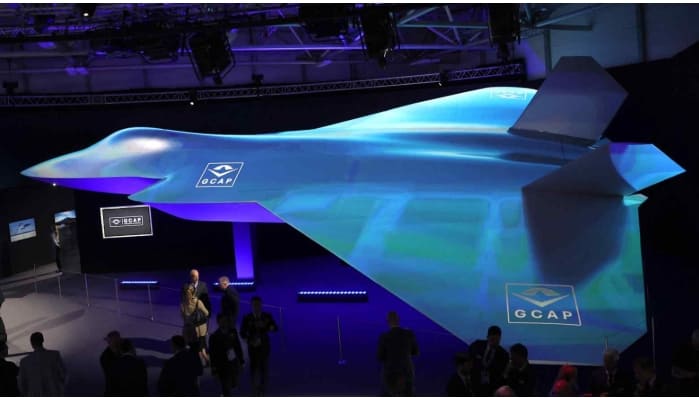
The Global Combat Air Programme (GCAP), launched in 2022, aims to deliver a sixth-generation fighter jet by 2035, replacing ageing fleets and ensuring participating nations maintain advanced air combat capabilities in an increasingly complex security environment. The project combines the technological expertise, industrial capacity, and strategic interests of the three partner nations in what is considered a landmark defence initiative.
However, as the programme moves from concept to development, concerns are emerging over whether the ambitious schedule can be maintained. Defence analysts warn that delays in decision-making, rising costs, and the sheer complexity of integrating cutting-edge technologies could place pressure on the project’s long-term objectives. The aircraft is expected to incorporate advanced stealth features, artificial intelligence, sophisticated sensors, autonomous systems, and next-generation networking capabilities, making it one of the most technologically demanding military projects ever undertaken.
The urgency surrounding GCAP has been heightened by growing geopolitical uncertainty and increasing concerns among allies about defence dependence on the United States. While Washington remains a key security partner for many nations, recent global developments have encouraged countries to diversify defence procurement and develop greater sovereign capabilities. As a result, interest in GCAP has reportedly expanded beyond the founding members.
Countries such as Canada and Germany have been linked to discussions surrounding potential cooperation or future participation in aspects of the programme. Their interest reflects a broader recognition that advanced defence technologies will play a central role in national security strategies over the coming decades. For many governments, participation in major multinational defence projects offers access to innovation, industrial opportunities, and strategic influence.
For the United Kingdom, GCAP carries significance beyond military capability. The programme is expected to support thousands of highly skilled jobs, sustain critical aerospace expertise, and strengthen Britain’s position as a global leader in advanced defence manufacturing. The success of the project could generate substantial export opportunities and reinforce long-term industrial competitiveness.
Yet achieving these ambitions will require continued political commitment and effective coordination among partners. With deadlines approaching and global competition intensifying, the coming years will be crucial in determining whether GCAP becomes a transformative defence success story or another example of the challenges that often accompany large-scale multinational military programmes.

