




Toyota has reportedly halted development of a next-generation Lexus electric vehicle, marking another sign of how major automakers are reassessing their electric vehicle strategies amid slowing global demand and changing consumer preferences.
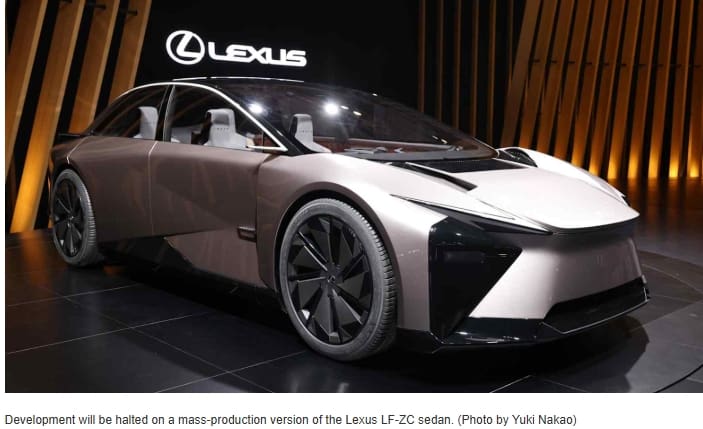
The decision reflects a broader industry trend as manufacturers adapt to a market that has not expanded as rapidly as many had anticipated. While electric vehicles remain a key component of the automotive industry’s long-term future, recent sales trends have prompted companies to take a more measured approach to investment and product development.
For Toyota, the move underscores its longstanding strategy of maintaining a diversified vehicle portfolio rather than pursuing an aggressive all-electric transition. The Japanese automotive giant has consistently argued that consumer demand, charging infrastructure, regional market conditions, and affordability concerns will result in multiple technologies coexisting for years to come. As a result, Toyota continues to invest in hybrid, plug-in hybrid, hydrogen, and fully electric vehicles.
The suspension of the planned Lexus EV project is believed to be part of a wider effort to prioritise vehicle segments that continue to generate strong demand and profitability. In particular, sport utility vehicles (SUVs) remain among the most sought-after vehicle categories globally, attracting consumers who value versatility, performance, and practicality. Automakers increasingly view SUVs as a safer investment during periods of market uncertainty.
Industry analysts note that luxury electric vehicles face unique challenges. While premium customers often show interest in new technologies, many buyers remain concerned about charging infrastructure, battery performance, resale values, and the pace of technological change. These factors have contributed to softer-than-expected growth in certain premium EV segments, leading manufacturers to reassess launch schedules and product pipelines.
Toyota’s decision comes at a time when several major automotive brands are adjusting electric vehicle targets, delaying model introductions, or scaling back production forecasts. Rising borrowing costs, economic uncertainty, and intensifying competition—particularly from Chinese manufacturers—have created a more challenging environment for global carmakers.
Despite the pause, industry observers do not view the move as a retreat from electrification. Rather, it highlights a strategic recalibration designed to align future investments with current market realities. Toyota remains committed to reducing emissions and expanding its electrified vehicle offerings, but appears determined to balance innovation with commercial viability.
As the automotive industry navigates one of the most significant transformations in its history, Toyota’s latest decision illustrates the importance of flexibility. The future may still be electric, but the path toward that future is proving more complex and unpredictable than many industry leaders once expected.

