




In a characteristically forceful tone, Donald Trump has once again stirred debate with his insistence that the United States needs no external support in its escalating conflict with Iran. His remarks—framed as confidence by supporters and recklessness by critics—underscore a widening divide over both the conduct and purpose of the war.
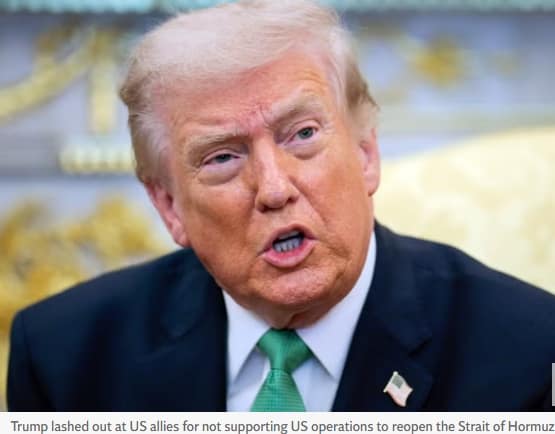
“We don’t need anyone’s help,” Trump signalled in recent comments, doubling down on a unilateral approach that has defined much of his foreign policy. The message is clear: America, in his view, has both the capability and the authority to act alone. Yet beneath that bravado lies a more complex reality—one marked by rising casualties, global unease, and growing dissent even within his own administration.
From the outset, Trump has cast the war as decisive and necessary, claiming it is aimed at eliminating what he describes as imminent threats from the Iranian regime. He has repeatedly suggested the conflict would be swift, even calling it a “short-term excursion,” while at other times hinting it could continue until “ultimate victory” is achieved. The shifting narrative has left allies and analysts questioning the administration’s long-term strategy.
The stakes have only intensified. The conflict, launched in coordination with Israel, has already triggered significant regional instability. Iran has vowed retaliation, launching missile and drone strikes across the Gulf, while oil markets and global security dynamics remain on edge. What was framed as a targeted operation is increasingly resembling a broader geopolitical confrontation.
At home, the cracks are beginning to show. The resignation of a senior U.S. counterterrorism official in protest of the war has exposed deep internal disagreements over its justification. Critics argue that the evidence of an “imminent threat” from Iran remains contested, raising uncomfortable parallels with past conflicts driven by disputed intelligence.
Trump, however, has shown little appetite for such criticism. He has dismissed dissenting voices as weak and continues to project confidence in the military campaign. His rhetoric—assertive, unapologetic, and often dismissive of allies—reinforces a worldview in which American power is both sufficient and unquestionable.
But this posture carries risks. By sidelining traditional alliances and multilateral engagement, the United States may find itself increasingly isolated at a time when global cooperation is critical. Even some of Trump’s political allies have expressed unease, warning that an open-ended conflict could undermine both domestic stability and international credibility.
There is also the human cost. Thousands have been killed or displaced as the conflict escalates, with civilian infrastructure and regional security under severe strain. Each new development adds urgency to calls for restraint, diplomacy, and clearer accountability.
In the end, Trump’s defiant assertion—that America needs no one—may resonate politically with his base. But on the global stage, where wars are rarely contained and consequences seldom predictable, such certainty is far more difficult to sustain.


