



Nigeria’s political environment is entering a new phase of scrutiny and contention as debate intensifies over the provisions of the proposed Electoral Act 2026, with stakeholders sharply divided on its implications for party regulation, campaign conduct, and electoral transparency.
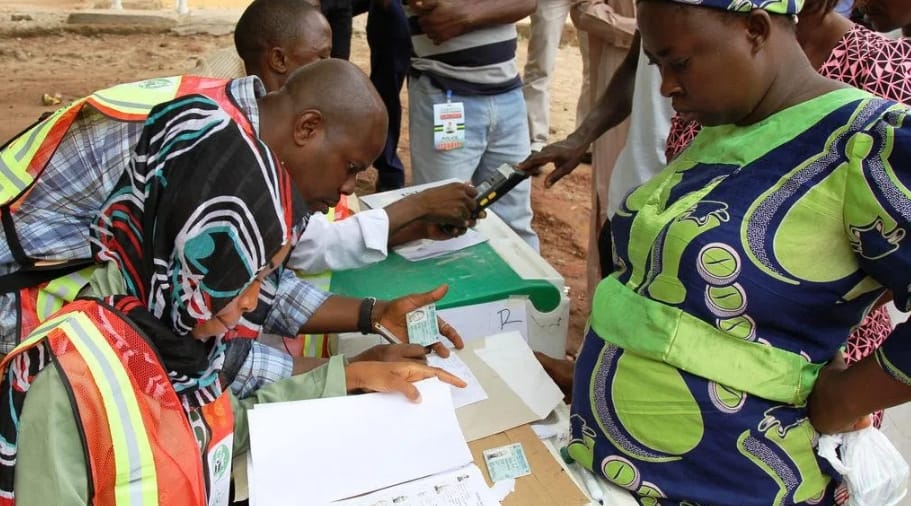
The legislation, designed to update and strengthen Nigeria’s electoral framework ahead of the 2027 general elections, has instead become a focal point of political disagreement. While supporters argue that the reforms are necessary to modernise the system and improve credibility, critics say several provisions risk concentrating authority and complicating political participation.
Key areas of contention include tighter rules on political party registration, revised campaign finance regulations, and expanded oversight mechanisms for election monitoring. Proponents insist these measures will enhance accountability, reduce electoral malpractice, and ensure greater transparency in the democratic process.
However, opposition parties and civil society groups have raised concerns that some provisions may inadvertently restrict political competition. Smaller parties, in particular, fear that stricter registration requirements could limit their ability to participate effectively in national elections, potentially entrenching existing political dominance.
The debate has also extended to campaign regulation, where proposed limits on political advertising, digital campaigning, and funding disclosures have sparked disagreement. Critics argue that without careful calibration, such rules could disadvantage emerging political movements that rely heavily on grassroots mobilisation and digital outreach.
Election observers and governance analysts warn that the intensity of the current debate reflects deeper structural tensions within Nigeria’s democratic system. They note that electoral reform efforts in the country have historically been accompanied by political friction, particularly when reforms intersect with power dynamics and electoral competitiveness.
There are also growing concerns about timing. With the 2027 elections approaching, stakeholders are urging clarity and consensus to avoid uncertainty in the electoral process. Any prolonged legislative disputes, analysts caution, could undermine voter confidence and create operational challenges for electoral institutions.
Despite disagreements, there is broad agreement on the need for reform. Nigeria’s electoral system has faced longstanding challenges, including logistical inefficiencies, disputes over results, and public trust deficits. The central question remains not whether reform is necessary, but how it should be implemented without destabilising the political environment.
As consultations continue, the outcome of the Electoral Act debate is expected to play a critical role in shaping the tone, structure, and competitiveness of Nigeria’s 2027 general elections—making it one of the most consequential policy discussions in the current political cycle.

