





Heathrow Airport has announced a sweeping £49 billion proposal to expand and modernise its operations, including the long-debated third runway, in a bid to boost the UK’s global connectivity. But while business groups hail the move as essential to national growth, environmental campaigners and political opponents are warning of dire ecological consequences.
The airport, which is operating at full capacity with approximately 84 million passengers annually, hopes to increase that number to 150 million. CEO Thomas Woldbye said the expansion is “urgent,” claiming that current constraints are hampering trade and connectivity.
Funded entirely by private investment, the plans include the construction of a new “North-Western Runway” measuring up to 3,500 meters, a new terminal named T5X, three satellite terminals, and extensive upgrades to rail, road, bus, and cycling infrastructure. The M25 motorway would be diverted through a new tunnel west of the airport, with junctions widened to accommodate increased traffic.
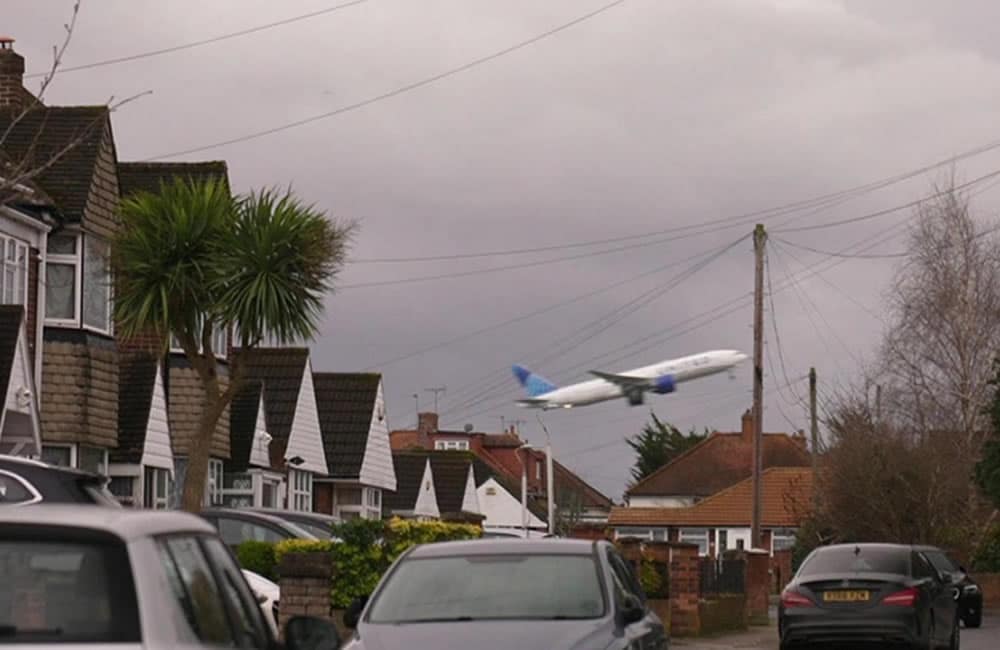
The government, under Chancellor Rachel Reeves, supports the expansion, positioning it as a key economic lever to “make Britain the world’s best connected place to do business.” Business leaders echoed that optimism, calling it a “vital investment in the nation’s future” and a boost to jobs, supply chains, and the UK’s GDP.
Yet, the reaction from environmental groups and local residents has been fierce. Greenpeace UK labelled the project “hopeful marketing spin,” dismissing the airport’s pledge to achieve net-zero emissions by 2050 as unrealistic without real solutions to pollution. Dr Douglas Parr of Greenpeace called for a “frequent flier levy” and warned that ordinary citizens would bear the brunt of environmental damage.
London’s Mayor Sadiq Khan remains “unconvinced” the expansion won’t severely impact noise levels, air quality, and climate targets. Local residents in Harmondsworth—where a third of the village faces demolition—fear the loss of their community.
The expansion faces further competition from the Arora Group’s alternative plan, dubbed “Heathrow West,” which proposes a shorter 2,800-meter runway and new terminal, costing under £25bn and avoiding any M25 disruption. Heathrow’s CEO insists the shorter design wouldn’t meet capacity needs but said he’s open to further discussions.
While Transport Secretary Heidi Alexander welcomed both proposals as “significant steps,” the history of Heathrow expansion efforts casts doubt on the project’s viability. Previous attempts under Labour in 2009 and Conservatives in 2018 failed amid legal challenges and the COVID-19 pandemic.
With opposition still entrenched among many MPs and the public, Heathrow’s challenge now lies not just in the financing or engineering—but in overcoming the political and environmental hurdles that have long stalled the airport’s expansion dreams.

