





“Rising costs are forcing businesses to slam the brakes on recruitment,” warns CIPD economist
Labour’s Chancellor, Rachel Reeves, is under growing pressure after new data revealed company hiring intentions have slumped to their lowest point on record in the wake of her National Insurance Contributions (NIC) increase.
Figures from the Chartered Institute of Personnel and Development (CIPD) show that just 57% of private sector employers plan to recruit staff in the next three months — a sharp drop from 65% last autumn. The downturn is being blamed on rising costs and fragile economic confidence, with many firms holding back on expansion and staffing plans.
The latest KPMG and Recruitment and Employment Confederation (REC) monthly survey also recorded a “further steep decline” in permanent job placements in July. Recruiters cited higher payroll costs and uncertainty about the UK’s growth outlook as key factors.
Anna Leach, Chief Economist at the Institute of Directors, warned the trend “could undermine the UK’s already weak growth outlook further, hitting both living standards and tax revenues.”
The CIPD’s survey of 2,000 employers revealed that 84% of UK businesses had faced increased employment costs since the NIC changes came into effect in April 2025. Among care and hospitality employers — industries heavily reliant on staff — nearly half said those costs had risen “to a large extent,” forcing them to cut back.
Ben Caswell, senior economist at the National Institute of Economic and Social Research (NIESR), said many firms were responding to the NI hike not by raising prices, but by reducing staff numbers. “However, cost pressures are now being compounded by the Chancellor’s minimum wage rise, which came in this April,” he added.
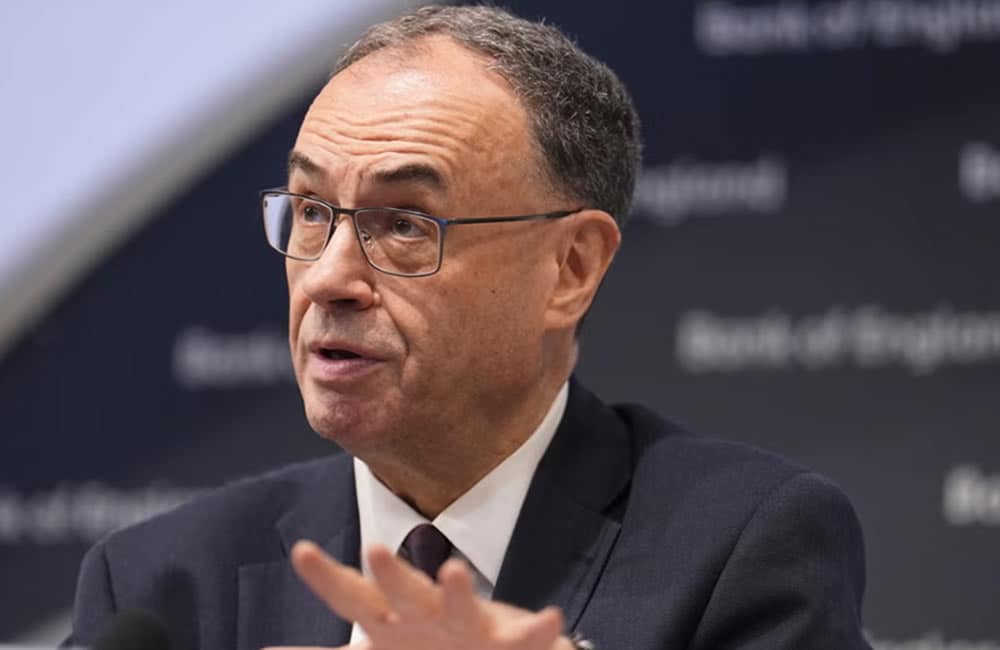
The Bank of England last week warned consumers to brace for months of sharp price rises, particularly in food, partly attributing inflationary pressures to Reeves’s NIC increase and the higher minimum wage. In an effort to stimulate the sluggish economy, the Bank cut interest rates to 4%.
Adding to the economic storm, Reeves has been warned of a looming £50bn shortfall in government finances. Economists have suggested that filling the gap may require either tax increases, public spending cuts, or the abandonment of Labour’s current fiscal rules.
On Sunday, Reeves appealed for public patience. “The change people voted for in last summer’s election was never going to happen overnight,” she said, insisting her “Plan for Change” remained on course.
But industry voices argue that the government is already losing the confidence of employers. James Cockett, senior labour market economist at the CIPD, cautioned: “Business confidence is faltering further under rising employment costs. Some measures in the Employment Rights Bill could add to these pressures if not carefully implemented.”
Jon Holt, Group Chief Executive at KPMG, added: “The labour market cooled in July as chief executives held back from increasing recruitment budgets. Economic uncertainty, the complexities of AI adoption, and global headwinds are all weighing on business planning.”
Business leaders have been equally forthright. One, identified only as Mr Neville, whose companies employ hundreds, said the NIC rise was “a challenge” that had “significantly increased the burden on businesses.”
Opposition parties have seized on the figures. Daisy Cooper, Treasury spokesperson for the Liberal Democrats, called the national insurance increase “utterly misguided” and “an absolute hammer blow to businesses across the country — especially in people-intensive sectors such as social care and hospitality.”
In response, a Treasury spokesperson defended the government’s record, pointing out that 380,000 jobs have been created since the start of the current parliament. They highlighted that “real wages rose more in the first ten months of Labour coming to power than over the first ten years of the previous government” and that business confidence was at a ten-year high according to a Lloyds Bank survey.
They also stressed progress on trade and tax policy: “Since the election, we have struck three major trade deals with the EU, US, and India, business rates are being reformed, and corporation tax is capped at 25%. This is how we are delivering on our Plan for Change to kickstart economic growth and put more money into working people’s pockets.”
For now, however, the numbers suggest Britain’s employers remain cautious, with Reeves facing the challenge of proving her economic vision can deliver tangible benefits before the chill in the labour market deepens.

