



India is confronting a growing liquefied petroleum gas (LPG) supply gap estimated at nearly 400,000 barrels per day as rising energy demand, import dependence, and global market disruptions continue to place pressure on the country’s energy security.
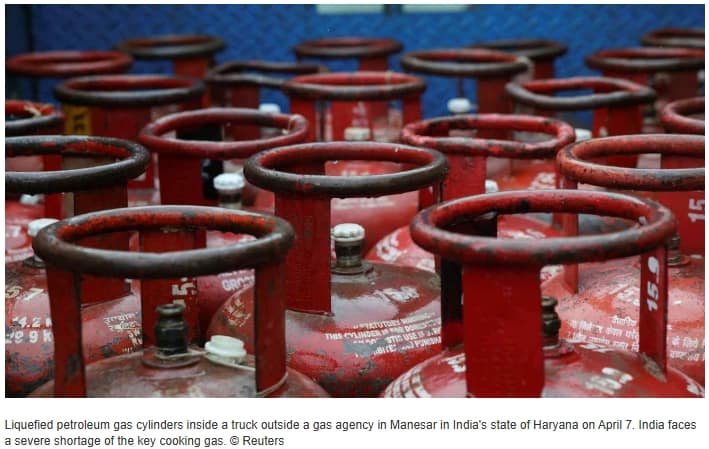
The shortfall comes at a sensitive time for Asia’s third-largest economy, where LPG remains a critical fuel source for millions of households, small businesses, and industrial users. Demand has continued to rise steadily due to population growth, urbanisation, expanding manufacturing activity, and government-backed clean cooking initiatives aimed at reducing dependence on traditional biomass fuels.
Energy analysts warn that the widening supply gap could increase India’s exposure to volatile international energy markets, particularly as geopolitical tensions and global shipping disruptions continue affecting fuel trade flows and pricing.
India already relies heavily on imports to meet domestic LPG demand, sourcing supplies primarily from the Middle East and other major energy exporters. However, fluctuations in global production, freight costs, and refining capacity have created additional strain on supply chains in recent months.
The country’s energy planners are now under increasing pressure to secure long-term supply agreements while simultaneously expanding domestic refining, storage infrastructure, and strategic energy reserves.
The situation also reflects broader challenges facing emerging economies attempting to balance energy transition goals with rising consumption needs. While India continues investing heavily in renewable energy, electric mobility, and cleaner fuels, fossil fuels still play a dominant role in meeting immediate energy requirements across households and industry.
Government officials have repeatedly stressed the importance of maintaining affordable LPG access for low-income households, particularly under social welfare and rural cooking gas programmes that have expanded significantly over the past decade. Any sustained increase in import costs or supply disruptions could place pressure on subsidy systems and public finances.
Industry observers say the widening gap highlights the urgency of diversifying energy sources and strengthening domestic energy resilience. There are growing calls for accelerated investment in refining capacity, alternative fuels, bio-LPG development, and energy efficiency measures to reduce long-term vulnerability.
At the same time, global competition for LPG cargoes is intensifying, especially across Asian markets where demand growth remains strong. Seasonal consumption spikes and supply interruptions linked to geopolitical instability have further complicated market conditions.
Despite the challenges, India continues positioning itself as a major long-term energy growth market, attracting investment across refining, petrochemicals, gas infrastructure, and renewable energy sectors.
However, analysts caution that unless supply capacity expands in line with consumption growth, India may continue facing periodic shortages and pricing pressures that could affect both economic stability and household energy affordability in the years ahead.

