



India Investigates First Suspected Ebola Case as Woman Isolated in Bengaluru
Health authorities in India are investigating a suspected case of Ebola after a woman in Bengaluru was placed in quarantine following symptoms consistent with the highly infectious viral disease. The case, if confirmed, would mark the first suspected occurrence of Ebola in the country, prompting heightened surveillance and rapid containment measures from public health officials.
The woman, whose identity has not been disclosed, was reportedly admitted to a designated isolation facility after presenting with fever and other symptoms that raised concern among clinicians. Samples have been collected and sent to specialised laboratories for confirmatory testing. Authorities have stressed that the case remains unconfirmed, with final results expected after detailed virological analysis.
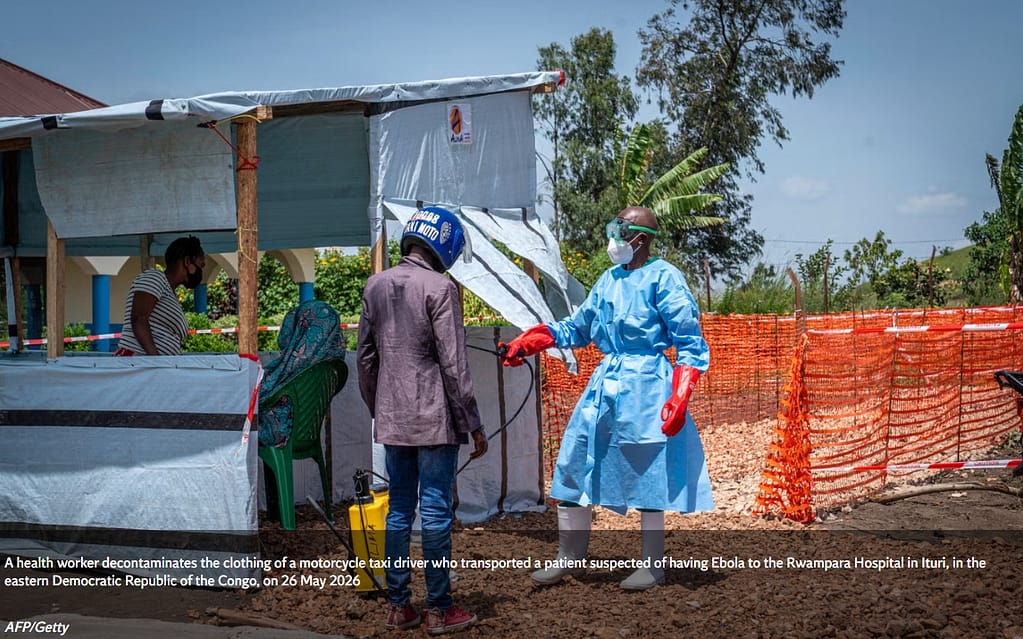
Ebola virus disease, known for its severe haemorrhagic symptoms and high fatality rates in past outbreaks, is typically transmitted through direct contact with bodily fluids of infected individuals or contaminated materials. While most outbreaks have been concentrated in parts of West and Central Africa, global health agencies have long maintained strict monitoring systems to detect any possible international spread.
In Bengaluru, state health officials have activated emergency protocols, including contact tracing and isolation procedures, as a precautionary measure. Medical staff who interacted with the patient are being monitored, and hospital wards linked to the case have undergone deep sanitisation. Authorities have also advised the public not to panic, emphasising that all necessary containment steps are in place.
The Ministry of Health has been briefed, and national disease control teams are reportedly coordinating with state authorities to assess travel history, potential exposure routes, and any risk of secondary transmission. Early indications suggest that the patient may have recently travelled from or had contact with individuals arriving from regions where viral haemorrhagic fevers are monitored, though officials have not confirmed this pending investigation.
Public health experts note that India has strengthened its infectious disease surveillance systems significantly in recent years, particularly after the COVID-19 pandemic. These systems are designed to quickly detect unusual clusters of illness and respond before wider transmission can occur.
Despite the seriousness associated with Ebola, experts caution against premature conclusions. Many illnesses can initially present with similar symptoms, and laboratory confirmation is essential before declaring a positive case. Until then, the classification remains “suspected,” and all response measures are being treated as precautionary.
The development has nonetheless drawn attention across health agencies and international monitoring bodies, given the rarity of Ebola-related alerts in South Asia. Officials continue to monitor the situation closely, with further updates expected once laboratory results are concluded.

