




Pakistan Moves to Privatise Three State-Owned Power Distributors in Landmark Reform Push
Pakistan has announced plans to privatise three of its state-owned electricity distribution companies, marking one of the most significant steps yet in its long-running attempt to reform a heavily loss-making energy sector. The move is being presented by officials as a critical effort to reduce fiscal strain, improve efficiency, and attract private investment into an industry widely seen as structurally distressed.
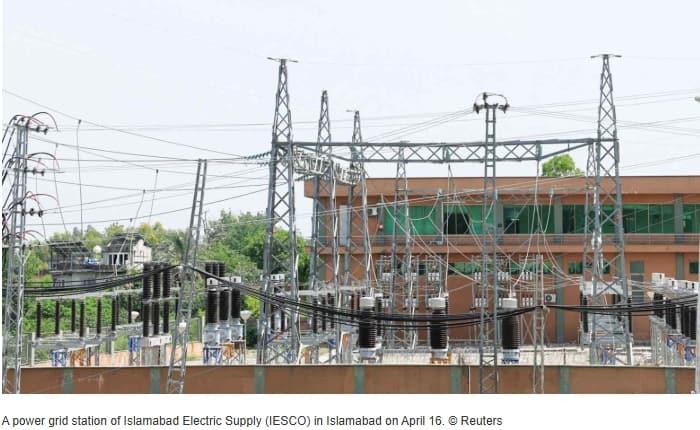
The three power distributors, often described by policymakers as “strategic assets,” are responsible for supplying electricity to millions of households and businesses across key regions. For decades, they have operated under a model criticised for weak governance, high transmission losses, poor recovery of dues, and mounting circular debt that continues to weigh on the national budget.
Government advisers argue that bringing in private operators could modernise billing systems, reduce corruption, improve infrastructure maintenance, and ultimately provide more reliable electricity to consumers. They also say the reform is necessary to meet conditions linked to international financial support and to stabilise the broader macroeconomic environment.
However, the announcement has sparked a strong debate among economists, energy experts, and labour groups. Supporters of the plan describe the distributors as “crown jewels” of reform—large, revenue-generating entities whose restructuring could set the tone for wider economic change. They argue that without bold privatisation, Pakistan’s energy sector will remain trapped in inefficiency and perpetual bailouts.
Critics, however, warn that the same assets could become “toxic inheritances” for private buyers. They point to entrenched issues such as political interference, ageing infrastructure, non-payment by public sector entities, and tariff distortions that could deter investment or lead to price increases for consumers. Labour unions have also raised concerns about potential job losses and uncertainty over employment protections during the transition.
The government has indicated that the privatisation process will be phased and transparent, with regulatory safeguards designed to protect consumers and ensure service continuity. Officials say international advisors will be engaged to structure the transactions and attract credible investors.
Despite these assurances, public sentiment remains cautious. Electricity shortages and rising tariffs have already placed significant pressure on households and industries, making energy reform a politically sensitive issue.
Analysts say the success or failure of this privatisation drive could become a defining moment for Pakistan’s broader economic reform agenda. If executed effectively, it could signal renewed investor confidence and improved service delivery. If mishandled, it risks deepening mistrust and reinforcing long-standing structural weaknesses in the power sector.

