



South Africa is once again confronting uncomfortable questions about the strength of its institutions, as a high-profile corruption inquiry exposes alleged ties between senior law enforcement officials and organised criminal networks. The unfolding revelations, emerging from the Madlanga Commission, have intensified national debate about governance, accountability, and the credibility of the country’s justice system.
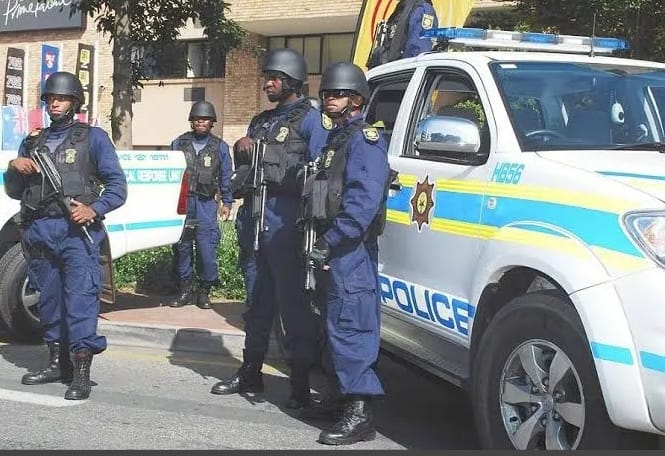
At the centre of the inquiry are serious allegations that some senior police officers may have accepted bribes, interfered in active investigations, and deliberately obstructed efforts to dismantle criminal syndicates. Testimonies and evidence presented to the commission suggest a troubling pattern in which elements within the police service are accused of protecting, rather than pursuing, powerful criminal actors.
The commission’s findings, though still part of an ongoing process, have already sent shockwaves through political and public institutions. They point to what some observers describe as a deeply embedded culture of corruption within segments of the security apparatus—one that has potentially allowed organised crime networks to operate with reduced fear of prosecution.
These revelations come at a time when public trust in state institutions is already under strain. Citizens have long voiced concerns about inefficiency, political interference, and corruption within various layers of government. The current inquiry has added urgency to those concerns, placing renewed pressure on leadership to demonstrate decisive action.
Political figures are now facing growing calls to fast-track reforms within the police service, strengthen oversight mechanisms, and ensure that accountability processes are not only promised but implemented. Civil society organisations and governance experts argue that without structural reforms, isolated disciplinary actions will do little to dismantle entrenched networks of influence.
Within law enforcement circles, the allegations have also triggered internal tension, as honest officers warn that corruption at senior levels undermines morale and weakens operational effectiveness. There are fears that if left unchecked, such infiltration could erode the institution’s ability to combat violent crime and protect communities.
The Madlanga Commission continues its work, with further hearings expected to shed additional light on the scale and scope of the alleged misconduct. Its outcome is likely to have far-reaching implications—not only for individuals implicated, but for the broader future of policing and governance in South Africa.
As the investigation deepens, the country finds itself at a critical crossroads: whether to confront institutional corruption with meaningful reform, or risk allowing the trust between the state and its citizens to deteriorate further.

