
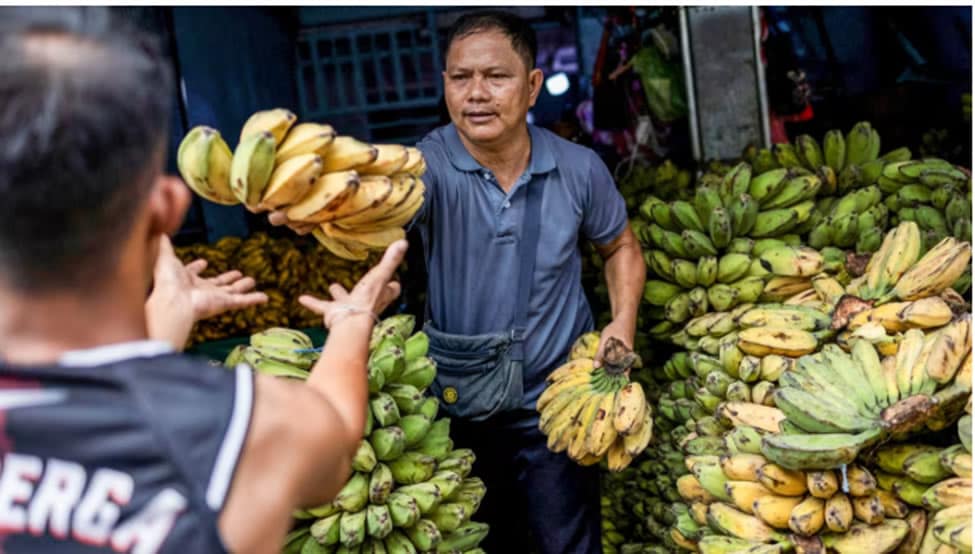



The ongoing Iran war has triggered a global energy shock, but nowhere is the contrast more striking than between Bangladesh and Pakistan—two neighbouring economies now experiencing sharply different realities in the face of rising fuel insecurity.
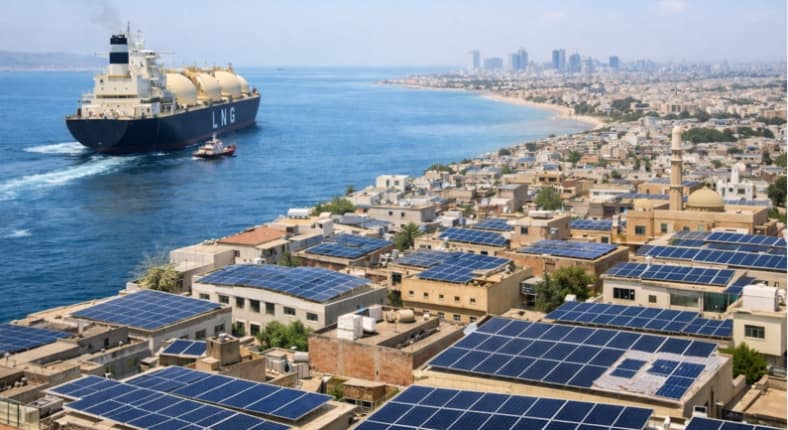
At the heart of the crisis lies the disruption of the Strait of Hormuz, a critical artery through which roughly 20% of global oil and gas supplies flow. The fallout has sent liquefied natural gas (LNG) prices soaring and exposed the vulnerabilities of import-dependent nations.
For Bangladesh, the consequences have been immediate and severe. The country, heavily reliant on imported fossil fuels, has faced fuel shortages, rationing, and widespread disruption. Authorities have imposed limits on fuel purchases while panic buying and hoarding have intensified pressure on already strained supplies.
The government has also been forced to adopt emergency measures—cutting energy consumption, closing institutions, and attempting to stabilise domestic supply. Yet these short-term interventions underscore a deeper structural weakness: a continued dependence on external energy markets with limited domestic alternatives.
In contrast, Pakistan—though also affected by rising global prices—has found an unexpected buffer in its rapidly expanding solar energy sector. Over recent years, a people-driven solar boom has transformed parts of the country’s energy mix, with rooftop installations becoming increasingly common. Solar energy now accounts for a significant share of electricity generation, reducing reliance on imported fuels.
This shift has proven critical. As LNG supplies tighten and prices surge across Asia, Pakistan has been better positioned to absorb the shock, avoiding some of the worst disruptions seen in neighbouring countries. While austerity measures, including reduced working weeks and fuel conservation policies, have been introduced, the presence of decentralised solar power has provided a measure of resilience.
The divergence between the two countries highlights a broader global lesson: energy security is increasingly tied to diversification and local generation. Nations that invested early in renewables—particularly solar—are now less exposed to geopolitical shocks, while those reliant on imports remain vulnerable to volatility.
Ironically, Bangladesh itself possesses vast untapped renewable potential. With strong solar irradiance and significant capacity for both solar and wind power, experts argue the country could generate far more energy domestically than it currently does. However, slow adoption and infrastructure gaps have limited progress, leaving the country exposed at a critical moment.
The Iran war has therefore become more than a geopolitical conflict—it is a stress test for global energy systems. Across Asia, countries are being forced to rethink their strategies, balancing immediate survival with long-term sustainability.
As one regional energy analyst noted:
“This crisis is not just about supply disruption—it is about preparedness. Countries that invested in renewables are cushioning the blow, while those dependent on imports are paying the price.”
Ultimately, the unfolding situation underscores a defining reality of the modern energy landscape: resilience is no longer just about access to fuel, but about independence from it.

