



Nigeria is once again confronting a deepening security crisis as a surge in armed attacks, kidnappings, and banditry continues to destabilise large parts of the country’s northern region. Despite ongoing military operations and government assurances, the persistence of violence has raised fresh concerns about the effectiveness of the nation’s security architecture and the coordination between federal and state authorities.
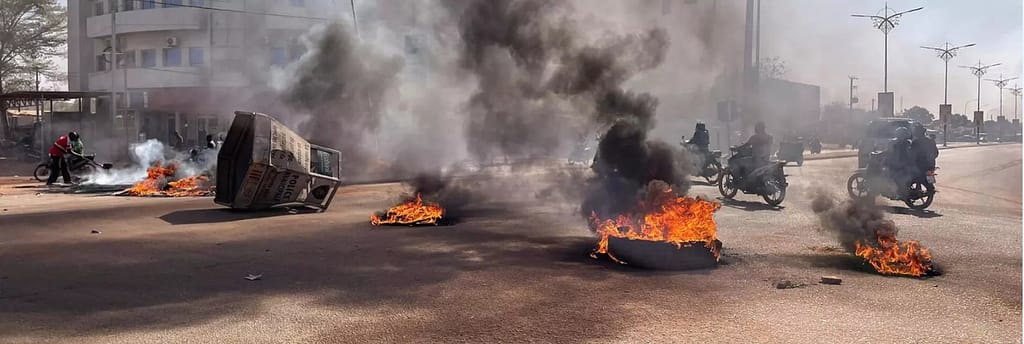
In recent months, communities across states such as Zamfara, Kaduna, and Borno have experienced repeated assaults by armed groups, often resulting in mass casualties, abductions, and displacement. Rural populations remain particularly vulnerable, with many forced to flee their homes amid fears of further attacks. The resurgence of insecurity has not only disrupted livelihoods but also intensified humanitarian challenges, as thousands seek refuge in already overstretched camps.
Security analysts argue that the evolving nature of these threats—ranging from banditry to insurgency—requires a more adaptive and intelligence-driven response. While the federal government continues to deploy military forces to affected areas, critics say that a heavy reliance on kinetic operations has yielded limited long-term results without parallel investment in intelligence gathering, community engagement, and socio-economic interventions.
A senior security expert based in Abuja noted:
“What we are seeing is a complex security environment where traditional military responses alone are insufficient. These groups are mobile, locally embedded, and increasingly sophisticated. Without coordinated intelligence and local cooperation, the cycle of violence will persist.”
The issue of coordination between federal and state governments has also come under scrutiny. Nigeria operates a centralised security system, with key agencies such as the military and police under federal control. However, state governors—often described as chief security officers of their states—have repeatedly called for greater autonomy and resources to address local threats more effectively.
Some state leaders have advocated for the establishment of state police, arguing that decentralised policing would improve response times and enhance community trust. Others caution that such a move must be carefully implemented to avoid political misuse and ensure accountability.
A northern state official, speaking on condition of anonymity, expressed frustration with the current structure:
“We are closest to the people and understand the terrain, yet we lack the authority to deploy the necessary resources quickly. There must be a better balance between federal oversight and state-level action.”
Beyond the immediate security implications, the crisis is exerting significant pressure on Nigeria’s economy and social fabric. Agricultural activities—particularly in the north, which serves as a major food-producing region—have been severely disrupted. This has contributed to rising food prices and heightened concerns about food security nationwide.
Education has also been affected, with schools in high-risk areas frequently shut down due to fears of abductions. The targeting of students in past incidents has left lasting psychological scars and discouraged attendance, further compounding developmental challenges in the region.
The federal government maintains that it is making progress, citing ongoing military offensives, improved surveillance capabilities, and collaborations with international partners. Officials have reiterated their commitment to restoring peace and ensuring the safety of all citizens.
A government spokesperson recently stated:
“We are fully aware of the challenges and are taking decisive steps to address them. Our security forces are working tirelessly, and we are strengthening intelligence operations to dismantle these criminal networks.”
However, for many Nigerians, patience is wearing thin. Civil society organisations and community leaders are increasingly calling for a more holistic approach—one that combines security measures with economic development, education, and conflict resolution initiatives.
As Nigeria navigates this რთ challenging period, the urgency for a sustainable and inclusive security strategy has never been greater. The path forward will likely depend not only on military strength but also on political will, institutional reform, and the ability to rebuild trust between the government and its citizens.
In the words of a community leader from Kaduna:
“Security is not just about guns and soldiers. It’s about justice, opportunity, and trust. Until those are addressed, true peace will remain out of reach.”

