



Japan is intensifying its economic and strategic engagement in Africa, with a high-level diplomatic tour aimed at securing greater access to critical natural resources, including oil and minerals, as global competition for supply chains accelerates.
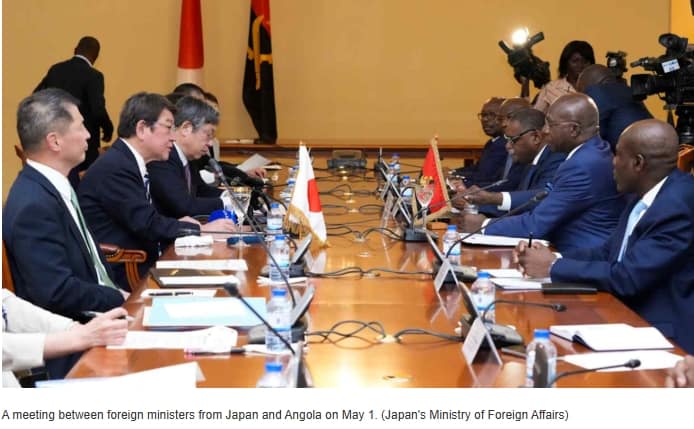
A senior Japanese foreign affairs delegation has visited key resource-rich and trade-influential nations including Angola, Kenya, Zambia, and South Africa, signalling Tokyo’s renewed effort to deepen partnerships across the continent. The focus of the trip has been clear: expand energy cooperation, strengthen mineral supply security, and reinforce Japan’s long-term industrial resilience.
In Angola, one of Africa’s leading oil producers, discussions centred on expanding crude oil collaboration and attracting Japanese investment into upstream energy projects. The country’s vast offshore reserves make it a strategic partner as Japan seeks to diversify its energy imports away from traditional suppliers and stabilise long-term procurement in an increasingly volatile global market.
Minerals have also taken centre stage, particularly in Zambia and South Africa, both of which hold significant reserves of copper, cobalt, platinum, and other critical inputs for electric vehicles, semiconductors, and renewable energy technologies. With global demand for these materials surging, Japan is positioning itself to secure reliable supply chains for its manufacturing and technology sectors.
Kenya, meanwhile, has featured prominently in discussions around logistics, infrastructure, and regional trade connectivity. As a major East African hub, it offers Japan an entry point into broader regional markets and a platform for expanding private-sector investment across services, energy, and manufacturing.
The diplomatic outreach reflects Japan’s broader strategy to counterbalance the growing influence of other global powers in Africa, particularly China, which has already established deep trade and infrastructure ties across many of the same countries. Rather than direct confrontation, Japan’s approach has emphasised long-term partnership, technology transfer, and sustainable development financing.
Officials in Tokyo have framed the tour as part of a “mutually beneficial economic partnership strategy,” highlighting Japan’s interest in supporting industrial development while securing stable access to critical resources essential for its own economic security.
For the African partners involved, the engagement presents opportunities to diversify investment sources, strengthen bargaining power, and attract advanced technology cooperation in energy and mining sectors.
As global competition for resources intensifies, Japan’s renewed African focus signals a more assertive and pragmatic foreign policy approach—one that links diplomacy closely with industrial strategy in an increasingly contested global economy.

