



China has announced plans to remove tariffs on imports from 53 African nations, in a sweeping trade policy shift designed to strengthen economic ties and secure long-term access to critical raw materials.
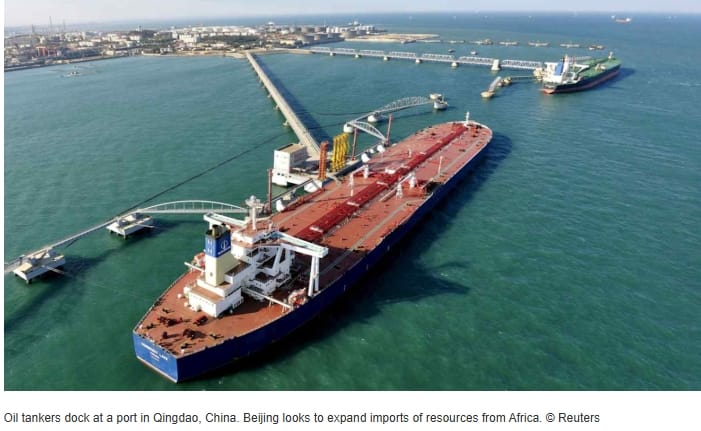
The move is widely seen as part of Beijing’s broader strategy to deepen its commercial and diplomatic influence across the continent, particularly at a time when global supply chains are becoming increasingly contested. By eliminating import duties, China aims to boost trade volumes, encourage African exports, and reinforce its position as a leading partner in resource development and infrastructure investment.
The policy is expected to benefit a wide range of African economies, many of which rely heavily on exports of minerals, agricultural goods, and energy resources. Countries with significant deposits of copper, cobalt, lithium, oil, and rare earth elements stand to gain the most, as demand for these inputs continues to surge in the global transition toward clean energy and advanced manufacturing.
Chinese officials have framed the initiative as a gesture of economic solidarity and mutual development, emphasising long-term cooperation over short-term transactional gains. The tariff removal is also intended to balance trade flows, which have historically been dominated by African imports of manufactured Chinese goods.
The announcement comes amid growing geopolitical competition, particularly as the United States adopts more protectionist trade policies and recalibrates its global supply chain strategy. In contrast, Beijing is positioning itself as a stable and predictable trade partner for emerging markets seeking investment and market access.
For African exporters, the policy could open new opportunities to expand market share in Asia, especially in commodities and value-added goods. However, analysts caution that the benefits will depend on the ability of local industries to scale production, meet quality standards, and navigate logistics constraints.
At the same time, the move reinforces China’s long-standing role as a major financier of infrastructure across Africa, including railways, ports, energy projects, and industrial zones. These investments have often been closely linked to resource access agreements, creating an integrated economic relationship between the continent and Beijing.
While the tariff removal is likely to be welcomed by many governments, it also raises questions about long-term dependency and trade balance sustainability. As global powers compete for influence, African nations find themselves increasingly at the centre of a shifting economic order.
Ultimately, China’s latest policy underscores a clear message: in the race for resources and strategic partnerships, Africa is not on the periphery—it is at the heart of global economic realignment.

