




The global liquefied natural gas (LNG) market is undergoing a dramatic shift as tankers originally bound for Europe change course toward Asia, driven by soaring spot prices and mounting supply fears triggered by the escalating conflict involving Iran. The crisis has effectively disrupted energy flows through the strategic Strait of Hormuz, a vital chokepoint for global oil and gas trade.
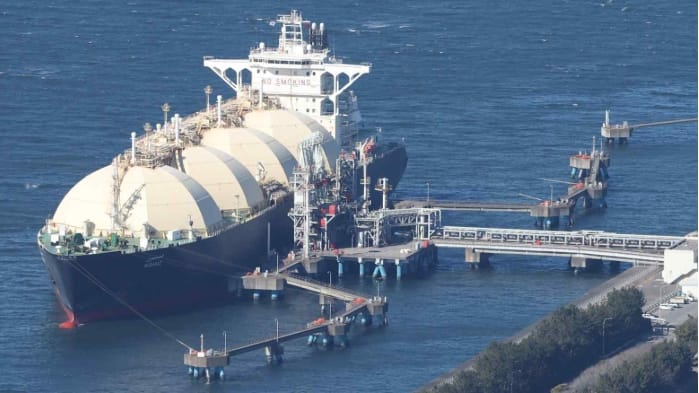
With tensions intensifying in the Middle East, Asian energy buyers have begun aggressively bidding for LNG cargoes to secure supply. As a result, several tankers carrying LNG from producers in the United States and Nigeria have diverted from their initial European destinations and are now sailing toward Asian markets via longer routes such as the Cape of Good Hope.
The shift highlights the highly flexible nature of the LNG market, where cargoes often move toward whichever region offers the highest price. Analysts say the widening price gap between Asia and Europe is now encouraging suppliers to redirect shipments toward Asian buyers who are willing to pay a premium amid growing fears of supply shortages.
A major factor behind the disruption is the effective closure of the Strait of Hormuz following the Iran conflict. The waterway is one of the world’s most critical energy corridors, handling a significant portion of global oil and gas shipments. The crisis has already halted or delayed a large share of exports from the Gulf region, tightening supply across international markets.
Asia is particularly vulnerable to these disruptions because countries such as China, India, Japan, and South Korea rely heavily on Middle Eastern LNG supplies. The sudden loss of cargoes from key exporters like Qatar has intensified competition for available shipments, pushing regional spot prices sharply higher.
Meanwhile, Europe now faces the prospect of a difficult race to secure gas supplies for the coming winter, as diverted cargoes and rising global demand threaten to tighten an already fragile energy market. The situation underscores how geopolitical tensions can rapidly reshape global energy flows and intensify competition for critical resources.

