




Nigerian sports have seen an impressive surge on the global stage, propelled significantly by the contributions of talented Nigerians in the diaspora. These athletes—born or raised abroad—are proudly flying the Nigerian flag, helping the country dominate in basketball, football, and other sports across Africa and the world.
Their involvement is not just symbolic; it’s translating into trophies, historic achievements, and increased international respect. From the courts to the pitch, the diaspora’s impact is undeniable and growing.
Nigeria’s senior women’s basketball team, the D’Tigress, stands out as a prime example of diaspora influence. The 2025 FIBA Women’s AfroBasket saw the team claim their fifth consecutive title—and their seventh overall—cementing a historic dominance on the continent.
Their unbeaten run now spans an incredible 29 games, a streak that began in 2015. Much of this success is thanks to a squad featuring mostly foreign-born Nigerian players or those of Nigerian descent.
Rena Wakama, the team’s head coach, exemplifies the diasporic connection. Born in Raleigh, North Carolina, and an assistant coach for the WNBA’s Chicago Sky, Wakama’s Nigerian roots trace back to Okrika, Rivers State. Despite her American upbringing, her commitment to Nigeria’s basketball fortunes is firm.
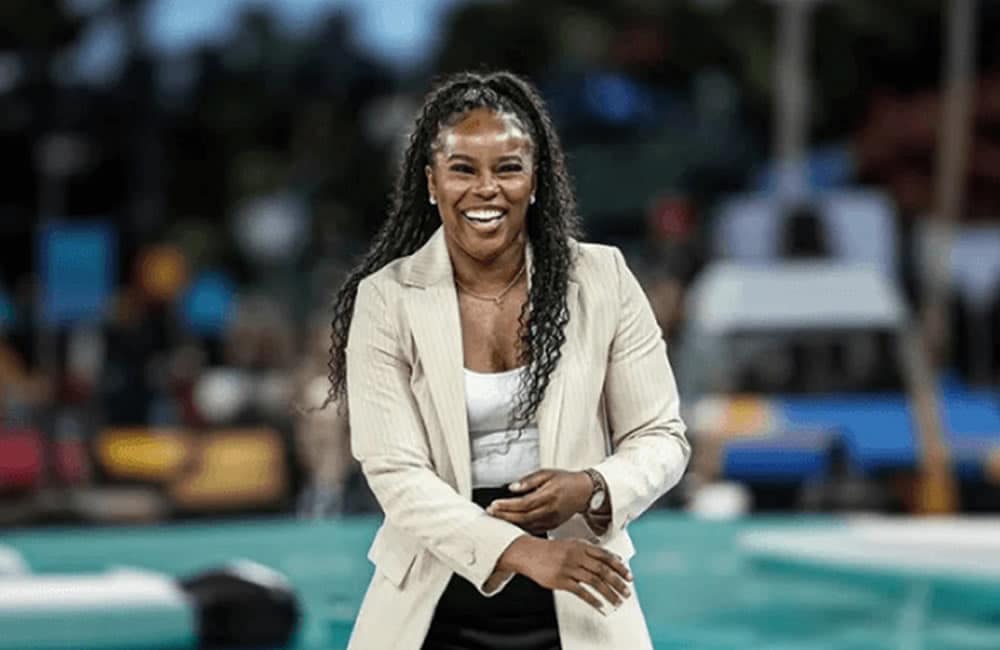
“Coaching D’Tigress isn’t just about basketball; it’s about representing a nation I deeply respect and love,” Wakama shared after the team’s latest triumph. Her leadership earned her the Best Coach award at the Paris 2024 Women’s Basketball Tournament, underscoring her global expertise.
Key players like point guard Ezinne Kalu, also part of the diaspora, have gained international recognition, with Kalu named to the Olympics Women’s Basketball All-Second Team.
Similarly, Nigeria’s men’s national basketball team, the D’Tigers, relies heavily on players who were born in Nigeria but honed their talents abroad before returning to represent their homeland. This blend of local roots and international development has elevated Nigeria’s competitiveness globally.
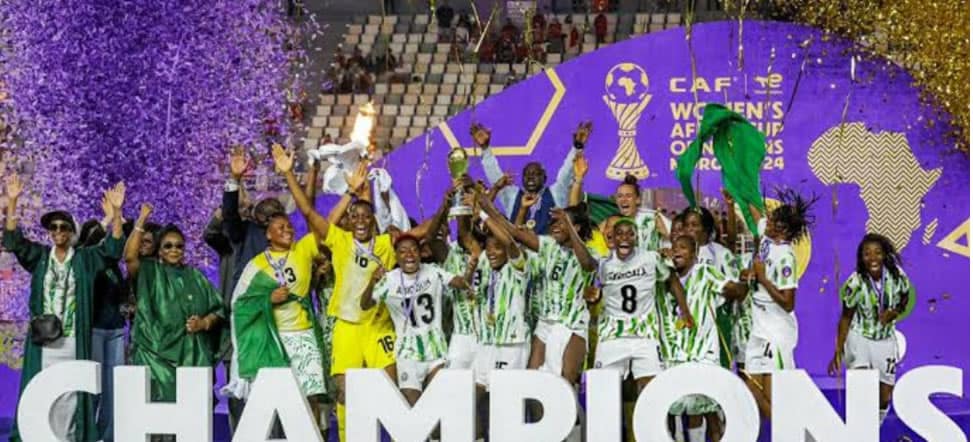
In women’s football, the Super Falcons showcased the strength of combining local and diaspora talent at the 2025 Women’s Africa Cup of Nations (WAFCON). Nigerian-Americans like Michelle Alozie, born in California to parents from Imo State, and Ashleigh Plumptre, whose Yoruba grandfather hails from Lagos, played critical roles in Nigeria’s 10th WAFCON title victory.
Both Alozie and Plumptre have built successful careers abroad—in the NWSL and Saudi Arabia respectively—but chose to bring their experience to the national team. Their contributions helped the Super Falcons achieve four clean sheets and concede the fewest goals in the tournament.
Muda Yusuf, Director and CEO of the Centre for the Promotion of Private Enterprise (CPPE), praised the diaspora’s wider role beyond sports.
“They are already making huge contributions—sending remittances, investing in real estate, and supporting talent development back home,” Yusuf noted. He added that the $100,000 cash rewards recently announced by President Bola Tinubu to the D’Tigress and Super Falcons would further stimulate Nigeria’s local economy.
Yet, sports analysts caution against overdependence on diaspora athletes. Veteran analyst Deji Omotoyinbo explained, “They are Nigerians through and through, but relying solely on diaspora talent risks neglecting homegrown players.”
Omotoyinbo emphasized the need for balanced investment in grassroots sports infrastructure and academies to nurture local talent. “We must develop the pipeline locally to ensure sustainability,” he said.
President Tinubu’s incentives were praised by media personality Felix Awogu, who stressed the motivational value of such rewards. “These athletes brought immense pride to millions of Nigerians,” Awogu said. “The money might seem large, but the inspiration they offer is priceless.”
He also saluted diaspora athletes for choosing to represent Nigeria despite potentially more lucrative opportunities elsewhere. “They could have stayed away, but they came back to wear the green and white. That’s true patriotism,” Awogu added.
The Nigerian diaspora has undeniably become a powerhouse behind the country’s sporting success. Their global training, discipline, and exposure have been vital in elevating Nigeria’s status in African and world sports. However, experts agree that this dynamic works best when diaspora talents complement—not replace—local player development. Investing in grassroots sports remains crucial for Nigeria’s long-term dominance.
If carefully managed, this synergy between homegrown stars and diaspora athletes could transform Nigeria from a continental force into a true global sporting superpower. As Wakama puts it, “The future of Nigerian sports is bright—when we embrace all our talents, wherever they are, and build on our shared passion and pride.”

