



Nigeria’s opposition landscape has been thrown into renewed uncertainty following a deepening crisis within its main coalition, as high-profile political figures reportedly step away from efforts to build a united front ahead of the 2027 general elections.
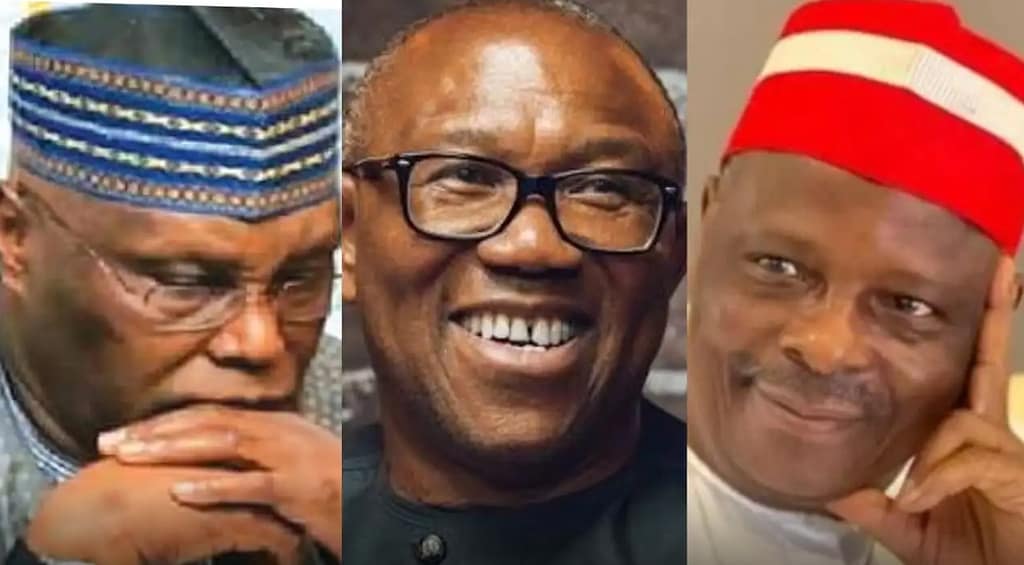
The alliance—initially framed as a strategic merger of major opposition forces to challenge the ruling party—has suffered internal fractures over leadership structure, zoning arrangements, and policy direction. The withdrawal or distancing of influential figures such as Peter Obi and Rabiu Kwankwaso has significantly weakened expectations that the bloc could emerge as a single, coordinated electoral machine.
Political observers say the crisis reflects long-standing ideological and personal divisions that have repeatedly undermined opposition unity in Nigeria’s political history. While the coalition was built on the shared objective of unseating the incumbent administration in 2027, disagreements over candidate selection and power-sharing arrangements have intensified behind closed doors, ultimately spilling into the public domain.
The fallout has raised serious questions about the opposition’s capacity to mount an effective challenge against the ruling establishment. Analysts argue that without a unified platform, fragmented opposition parties risk splitting votes across regions and weakening their overall electoral impact.
Supporters of the coalition had initially hoped it would replicate successful opposition mergers seen in other democracies, where rival parties consolidate to increase competitiveness. However, Nigeria’s complex political environment—shaped by ethnic balancing, regional interests, and party loyalty—has made sustained unity difficult to maintain.
Meanwhile, the ruling political structure is expected to benefit from the disarray, potentially consolidating its advantage in key swing regions. With opposition momentum slowing, attention is now shifting to whether smaller parties or emerging political movements could fill the vacuum.
Despite the setback, some coalition members insist discussions are ongoing and that a broader realignment remains possible before the election cycle fully begins. However, confidence among supporters has visibly weakened, with growing concerns that internal rivalries may have permanently damaged trust within the alliance.
The development underscores a recurring pattern in Nigeria’s electoral politics: opposition fragmentation at critical moments, often resulting in weakened electoral outcomes. As the 2027 elections approach, the ability of opposition forces to rebuild cohesion—or risk further disintegration—may prove decisive in shaping the country’s political future.

