




In today’s Premier League, youth is not just an asset — it’s a strategy.
Arsenal’s £68m pursuit of 27-year-old striker Viktor Gyokeres has raised eyebrows not for his talent, but for his age. In a market where clubs are aggressively investing in players 22 or younger, 27 suddenly feels “veteran.” Contrast that with Liverpool’s £100m acquisition of 21-year-old Florian Wirtz from Bayer Leverkusen — the third such nine-figure signing of a U22 player in four seasons, joining Chelsea’s Moises Caicedo and Enzo Fernandez.
It’s a clear pattern: top-flight clubs are increasingly prioritising young, high-upside talent. And this shift is most visible not just in average age, but in transfer fee-weighted average age — which gives greater weight to big-money signings. In 2024-25, this average dropped below 23 years for the first time in Premier League history.
Wealthier clubs dominate this trend. Chelsea have spent over £865m on players aged 21 or younger since BlueCo’s 2022 takeover — more than twice Manchester City’s £343m spend in that bracket. Champions typically buy younger, with an average age of 23, while relegation battlers favour experience, often signing players two years older on average.
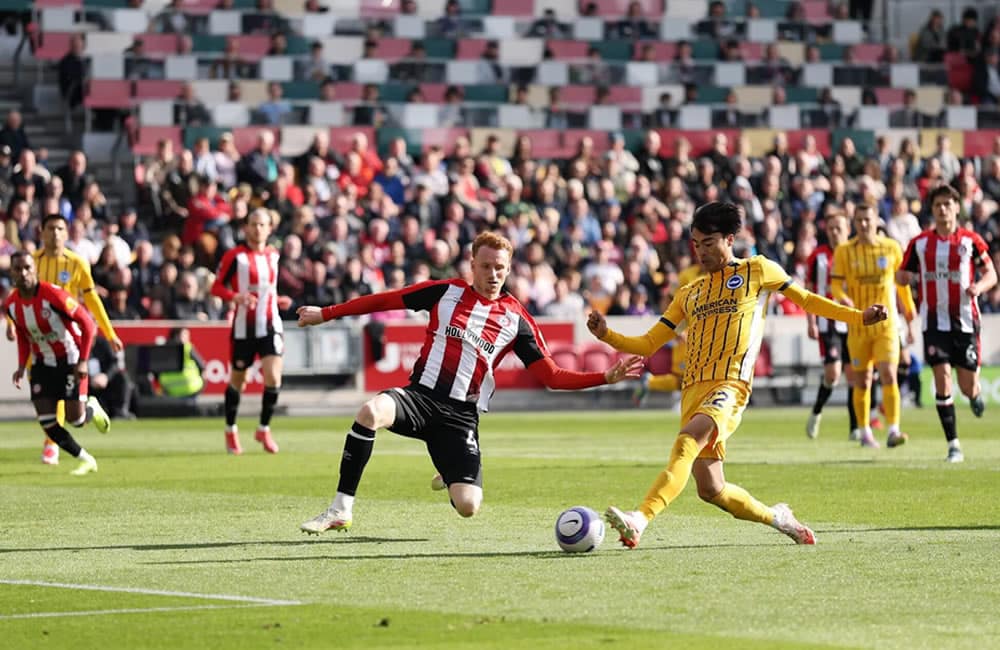
This youth-first philosophy isn’t just a Big Six game. Brentford and Brighton & Hove Albion have become poster clubs for a “sign-young, sell-high” approach. Without the revenues of elite clubs, they lean heavily on intelligent recruitment and player trading. Brentford, for instance, sold Bryan Mbeumo to Manchester United this summer for £71m — having bought him for a fraction from French side Troyes at age 19.
Brighton’s model is equally aggressive. They signed Caicedo, Cucurella, and Joao Pedro before offloading each for hefty profits — all to Chelsea. Their success lies in identifying undervalued youth assets, developing them, then cashing in at peak market value.
This approach echoes Sir Alex Ferguson’s philosophy. In his book Leading, the former Manchester United manager wrote: “Our emphasis on youth produced two things — the pipeline of talent for the first team and a very healthy sideline business.”
Indeed, during Ferguson’s final decade, United had the Premier League’s youngest transfer-weighted average signing age, followed closely by Chelsea, Arsenal, Liverpool, and Spurs. But unlike Brighton or Brentford, United were signing youth to keep, not sell. The game has changed.
The type of youth clubs are targeting has changed too. Once, the Premier League’s transfer priority was centre-forwards. In the 1990s, over 30% of transfer spending went to strikers — Shearer, Cole, Collymore were record breakers. Today, just under 20% of funds go toward traditional forwards, as spending has shifted to dynamic attacking midfielders and wide forwards who are younger, faster, and more versatile.
That may be changing again. This summer, Liverpool signed striker Hugo Ekitike. Arsenal are betting on Gyokeres. And Chelsea, under Enzo Maresca, may yet reshuffle with new striker additions.
But there’s a risk in chasing unproven youth up front. Centre-forwards generally peak later — around 27 — compared to attacking midfielders who mature by 24 or 25. Clubs now face a dilemma: buy promising strikers young and gamble, or wait until they’re proven and risk paying peak price for declining value.
Take Robin van Persie, whom United bought at 29 for £24m in 2012. He won them the league, but was sold three seasons later for just £4m. The Glazers had questioned his age before signing him — and financially, they weren’t wrong.
Now, Arsenal hope Gyokeres offers similar short-term returns. But most other clubs are playing the long game — betting that young legs will bring trophies, profit, and sustained performance.
The youth revolution is no longer a trend. It’s the new normal in Premier League squad building — and the future clearly belongs to the bold.

