




Reform UK has emerged as one of the biggest political winners in Birmingham’s recent local elections, securing major gains across several working-class wards and reshaping the city’s political landscape in ways that are already generating both celebration and concern.
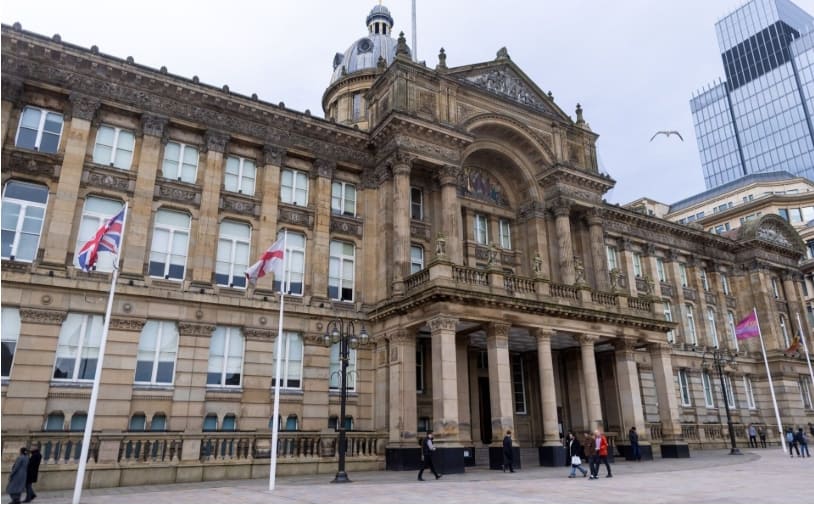
The party won 22 council seats across Birmingham, capitalising on growing voter frustration over immigration, council finances, rising living costs, deteriorating public services, and dissatisfaction with mainstream political parties.
The result marks one of Reform UK’s strongest urban performances in the country and reflects the party’s growing appeal among sections of voters who feel increasingly disconnected from both Labour and Conservative politics.
Led nationally by Nigel Farage, Reform UK campaigned heavily on issues including border control, local accountability, crime, waste management, and opposition to what it describes as “failed establishment politics.”
Following the results, Farage described the party’s Birmingham breakthrough as “evidence that ordinary people are demanding change.”
“People are tired of being ignored,” Farage said during a post-election interview. “They want politicians who speak honestly about the pressures facing communities.”
However, Reform UK’s rapid rise has also triggered growing anxiety among minority communities across Birmingham, one of Europe’s most diverse cities.
Anti-racism organisations, faith leaders, migrant advocacy groups, and local activists say many Black, Asian, Muslim, and migrant residents are worried about the increasingly hostile tone of political debate surrounding immigration and national identity.
Community organiser Aisha Mahmood described the atmosphere following the election as “deeply unsettling” for some residents.
“There is genuine fear in parts of the community,” Mahmood explained. “People are concerned that political rhetoric about immigration is creating division and making minorities feel less welcome.”
Several activists have pointed to controversial comments made by some Reform-linked figures nationally as contributing to those concerns. Although Reform UK insists it is not a racist party, critics argue that some of its messaging risks inflaming tensions in multicultural communities.
The debate has become especially sensitive in Birmingham due to the city’s diverse population and long history of migration, multiculturalism, and community activism.
Political analysts say Reform UK’s success reflects a broader national trend in which populist movements are gaining support by tapping into economic frustrations, declining trust in institutions, and concerns about social change.
Professor Tony Travers, a political commentator and local government expert, said Birmingham’s election results reveal a city experiencing “deep political fragmentation.”
“When voters lose confidence in traditional parties, they often turn toward movements promising disruption and radical change,” Travers explained.
At the same time, supporters of Reform UK argue that concerns about immigration, housing pressures, public spending, and local services are legitimate democratic issues that many mainstream parties have failed to address openly.
Some Reform voters insist their support for the party is driven primarily by economic frustration rather than racial or cultural hostility.
Nevertheless, Birmingham’s election outcome has intensified debate about the future direction of British politics, particularly in large multicultural cities where economic pressures and identity politics increasingly overlap.
For many observers, the city now represents a microcosm of wider national tensions — a place where frustration over governance, economic insecurity, migration, and political trust is reshaping the electoral map in unpredictable ways.
As Birmingham adjusts to its new political reality, the rise of Reform UK is likely to remain one of the most closely watched developments in Britain’s changing political landscape.

