



The conflict in Gaza Strip has emerged as one of the most influential issues in Birmingham’s recent local elections, dramatically reshaping voting patterns in several wards and exposing growing political frustration among sections of the city’s Muslim communities.
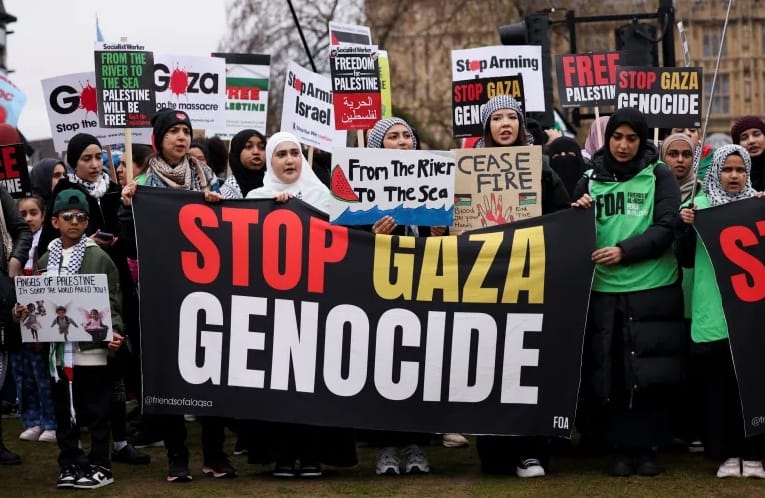
Across parts of Birmingham with large Muslim populations, independent candidates campaigning on pro-Palestinian platforms gained significant support, contributing to notable losses for the Labour Party in areas traditionally considered safe Labour territory.
The results highlighted how international conflicts are increasingly influencing local political behaviour in multicultural British cities, where foreign policy issues now play a much larger role in shaping voter identity and party loyalty.
Many voters expressed anger over Labour’s response to the war in Gaza, accusing senior party figures of failing to speak strongly enough about civilian suffering and calls for a ceasefire during the conflict’s most intense periods.
Among the most prominent voices to emerge from the elections was independent councillor Nosheen Khalid, who said many residents felt politically abandoned by mainstream parties.
“People wanted grassroots voices inside the council,” Khalid explained following her election victory. “Residents felt ignored both on international issues and local community concerns.”
She argued that many voters no longer believed traditional parties fully represented the priorities of ordinary residents, particularly younger Muslim voters who became politically energised during protests and demonstrations linked to Gaza.
The Gaza conflict sparked some of the largest political demonstrations seen in Birmingham in recent years, with thousands participating in marches, vigils, and community campaigns calling for peace and humanitarian action.
Political analysts say the elections revealed a growing disconnect between parts of Labour’s traditional support base and the party’s national leadership under Keir Starmer.
Starmer faced criticism from some activists and Muslim community leaders over Labour’s early positioning on the Gaza conflict, although the party later adjusted its language and called more strongly for humanitarian protections and ceasefire efforts.
The impact was particularly visible in multicultural urban wards where voters combined frustration over international politics with dissatisfaction over local issues such as housing, public services, council finances, and representation.
Community organiser Mohammed Rizwan said many younger voters viewed Gaza not simply as a foreign policy issue, but as a moral and emotional issue connected to identity and justice.
“For many people, this became deeply personal,” Rizwan said. “They wanted political leaders who reflected their values and understood their concerns.”
The Birmingham elections now reflect a broader shift taking place across British politics, where international events increasingly shape domestic political alignments, especially in cities with large migrant and minority populations.
Experts say social media has also amplified the political impact of global conflicts. Platforms such as TikTok, Instagram, and X allowed younger voters to engage directly with images, commentary, and activism related to Gaza in real time, intensifying political awareness and mobilisation.
Professor Tony Travers, a local government analyst, described the election results as “evidence that local politics can no longer be separated from global events.”
“In diverse cities like Birmingham, international issues now directly influence local democratic outcomes,” he explained.
For Labour, the Birmingham results serve as a warning that political loyalties can no longer be taken for granted. For independent candidates and grassroots activists, however, the elections demonstrated the growing influence of community-driven politics in shaping Britain’s evolving political landscape.

