




Across Birmingham, a quiet but powerful network of community organisations is stepping in to support families and young people facing rising housing insecurity, economic pressure, and growing concerns about youth disengagement.
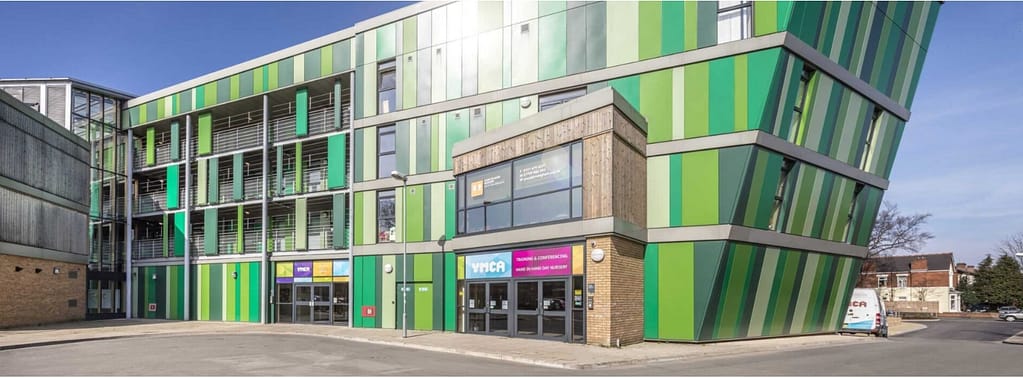
In neighbourhoods such as Ladywood and Lozells, where deprivation and social challenges remain deeply entrenched, local youth clubs, charities, and volunteer-led initiatives are increasingly becoming lifelines for residents struggling to cope with the rising cost of living and stretched public services.
With housing pressures intensifying and more families reporting difficulty securing stable accommodation, community organisations have expanded their role beyond traditional youth work. Many now provide emergency food support, housing advice, after-school programmes, mental health support, and safe spaces for vulnerable young people.
One of the most consistent themes emerging from local workers is that demand is rising faster than resources.
A youth worker based in Birmingham, speaking about the situation on the ground, said:
“If we don’t support young people at community level, the system will continue to miss them.”
The comment reflects a growing concern among frontline workers that statutory services alone are no longer able to meet the complexity and scale of need in some inner-city communities.
In Ladywood, youth centres report increased attendance as young people seek structured environments away from street pressures, unemployment, and social isolation. Staff say that many of those attending are dealing with challenges linked to family hardship, overcrowded housing, and lack of access to stable opportunities.
In Lozells, local charities have expanded food distribution programmes alongside mentoring schemes aimed at improving educational engagement and reducing youth vulnerability. Volunteers say the combination of economic pressure and limited public services has created a situation where grassroots organisations are becoming essential parts of community infrastructure.
Community organiser Amina Hussain described the situation as “a quiet emergency unfolding in plain sight.”
“We’re seeing more families needing help with basics,” she said. “But we’re also seeing young people who just need someone to listen, guide them, and show them there are options beyond their immediate environment.”
The issue of housing remains central to many of the pressures facing families across Birmingham. Rising rents, limited social housing availability, and increasing waiting lists have left many households in temporary or unstable accommodation. For young people, this often translates into uncertainty about education, employment, and long-term stability.
Despite these challenges, community groups continue to highlight stories of resilience and transformation. Mentoring programmes are helping young people return to education, gain skills, and access apprenticeships, while local food initiatives ensure that vulnerable families are not left without support.
However, workers warn that without sustained investment and stronger collaboration between local authorities, central government, and voluntary organisations, the burden on community groups will continue to grow.
As one volunteer put it:
“We are proud of what we do, but we cannot replace the system. We are only holding it together.”
In many ways, Birmingham’s community networks now represent the frontline of social support — filling critical gaps and ensuring that, despite growing pressures, no neighbourhood is left entirely without help or hope.

